
Italian Cheesecake II
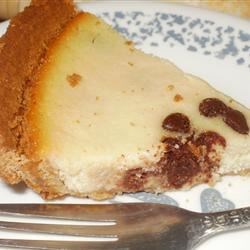
"This is a sweet, moist chocolate chip cheesecake with a hint of citrus and anise flavors. It is made with Ricotta cheese instead of cream cheese. This dessert has been an Easter tradition in my family since before my father was born. The recipe makes a lot, but it can easily be cut in half for smaller groups. Sprinkle additional chocolate chips on top of the cheesecakes before baking if desired."
Estimated Nutrition (whole recipe, rough)
Counts 9 of 10 ingredients — the other 1 aren't in our nutrition table and contribute nothing above, so the real totals are higher.
What these numbers assume — 9 portions →
| Ingredient | Portion assumed | kcal |
|---|---|---|
| Flour | 1 cup (125g) all-purpose | 455 |
| Ricotta Cheese | 1/2 cup (124g) part-skim | 174 |
| Chocolate | 1 oz (28g) semisweet | 155 |
| Egg | 1 large egg (50g) | 78 |
| Cracker | 5 saltine crackers (15g) | 66 |
| Sugar | 1 tbsp (12.5g) granulated | 49 |
| Vanilla | 1 tsp extract (4ml) | 12 |
| Lemon | juice of 1 lemon (48ml) | 12 |
| Lime | juice of 1 lime (44ml) | 11 |
| Anise | not in our table | 0 |
Totals for the whole recipe, adding one typical portion per ingredient — listed above. Quantities in the recipe are not counted, so this is a rough guide only — not suitable for medical or dietary planning.
Ingredients
- 8 eggs
- 4 cups white sugar
- 2 tablespoons imitation vanilla flavoring
- 1 teaspoon anise extract
- 1 teaspoon grated lime zest (optional)
- 1 teaspoon grated lemon zest (optional)
- 4 pounds ricotta cheese
- 1 (12 ounce) bag semisweet chocolate chips
- 1 tablespoon all-purpose flour
- 6 (9 inch) prepared graham cracker crusts