
Photo: Monika Grabkowska
Rhode Island Clam Chowder
13 ingredients
20 min + 35 min
4 servings
openrecipes
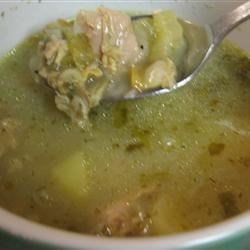
"This is classic Rhode Island chowder. Only here, we usually use quahogs when making it. This recipe can be substituted either way and turns out great for the clam lover. This is a clear soup. This soup should taste slightly spicy, so adjust flavor to your heat preference"
Estimated Nutrition (whole recipe, rough)
744
Calories
87g
Protein
18g
Fat
57g
Carbs
Counts 12 of 13 ingredients — the other 1 aren't in our nutrition table and contribute nothing above, so the real totals are higher.
What these numbers assume — 12 portions →
| Ingredient | Portion assumed | kcal |
|---|---|---|
| Chicken | 100g cooked | 165 |
| Potato | 1 medium (173g) baked | 161 |
| Clam | 100g cooked | 148 |
| Butter | 1 tbsp (14g) | 102 |
| Shrimp | 100g cooked | 99 |
| Onion | 1 medium (110g) | 44 |
| Chili | 1 tsp (2.7g) | 8 |
| Celery | 1 stalk (40g) | 6 |
| Black Pepper | 1 tsp ground (2.3g) | 6 |
| Dill | 5 sprigs fresh (1g) / 1 tsp dried | 4 |
| Parsley | 1 tbsp chopped fresh (3.8g) | 1 |
| Salt | 1 tsp (6g) | 0 |
| Sauce | not in our table | 0 |
Totals for the whole recipe, adding one typical portion per ingredient — listed above. Quantities in the recipe are not counted, so this is a rough guide only — not suitable for medical or dietary planning.
Ingredients
- 1 pound shucked clams
- 3 cups clam juice
- 3 cups chicken stock
- 1/4 cup butter
- 2 onions, diced
- 2 large stalks celery, chopped, with leaves
- 1 (15 ounce) can fingerling potatoes, drained and quartered
- 3 tablespoons dried dill weed
- 2 tablespoons ground black pepper
- 1 teaspoon salt
- 1 pinch cayenne pepper
- 2 drops hot pepper sauce (such as Tabasco®), or to taste
- 1/4 cup chopped fresh parsley (optional)
Directions
Step-by-step directions aren't available for this recipe in our database.
View the full recipe at the original source →
By allrecipes ·
Recipe sourced from
openrecipes