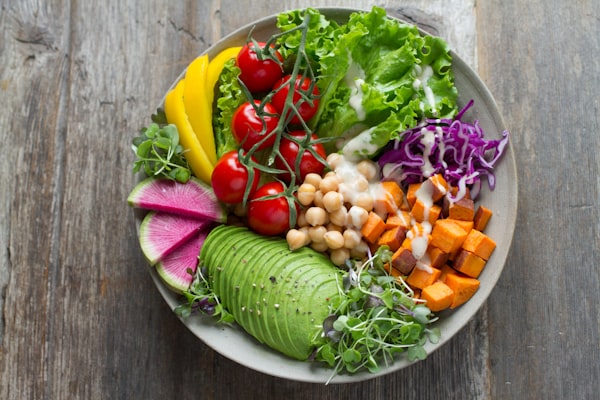
Photo: Anna Pelzer
Smoked Trout and Apple Salad with Polenta Croutons
13 ingredients
openrecipes

Golden polenta croutons flavored with Parmigiano-Reggiano add sweet crunch to this elegant salad of delicate flaked trout and crisp sliced apples. You can try other smoked fish in place of the trout, such as sturgeon or whitefish. Serve as a first course at your next dinner party.
Estimated Nutrition (whole recipe, rough)
553
Calories
15g
Protein
43g
Fat
32g
Carbs
Counts 10 of 11 ingredients — the other 1 aren't in our nutrition table and contribute nothing above, so the real totals are higher.
What these numbers assume — 10 portions →
| Ingredient | Portion assumed | kcal |
|---|---|---|
| Grapeseed Oil | 1 tbsp (14g) | 120 |
| Cheese | 1 oz (28g) cheddar | 113 |
| Butter | 1 tbsp (14g) | 102 |
| Apple | 1 medium (182g) | 95 |
| Egg | 1 large egg (50g) | 78 |
| Walnut | 1 walnut half (4g) | 26 |
| Lemon | juice of 1 lemon (48ml) | 12 |
| Black Pepper | 1 tsp ground (2.3g) | 6 |
| Chives | 1 tbsp (3g) | 1 |
| Salt | 1 tsp (6g) | 0 |
| Trout | not in our table | 0 |
Totals for the whole recipe, adding one typical portion per ingredient — listed above. Quantities in the recipe are not counted, so this is a rough guide only — not suitable for medical or dietary planning.
Ingredients
- 2 cups instant polenta
- 4 Tbs. (1/2 stick) unsalted butter
- 2/3 cup grated Parmigiano-Reggiano cheese
- 2 Tbs. grapeseed oil
- 2 small Gala or Fuji apples, cored and thinly sliced
- 1/2 lb. smoked trout, skin and bones removed, flaked with a fork
- 4 cups loosely packed mâche
- 3/4 cup coarsely chopped walnuts
- 1/4 cup mayonnaise
- 1 Tbs. fresh lemon juice
- 1/4 tsp. salt
- Freshly ground pepper, to taste
- 2 Tbs. minced fresh chives
Directions
Step-by-step directions aren't available for this recipe in our database.
View the full recipe at the original source →
By williamssonoma ·
Recipe sourced from
openrecipes