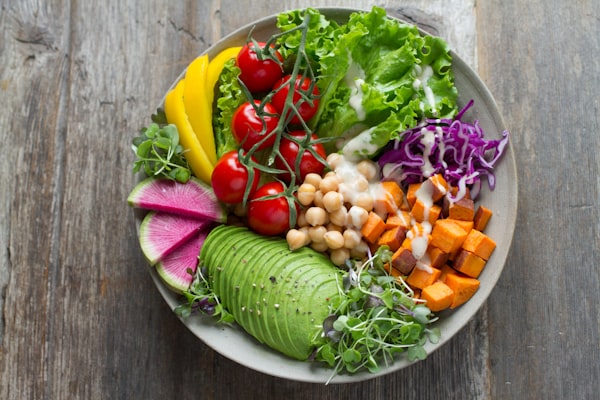
Photo: Anna Pelzer

Estimated Nutrition (whole recipe, rough)
670
Calories
32g
Protein
28g
Fat
79g
Carbs
Counts 13 of 14 ingredients — the other 1 aren't in our nutrition table and contribute nothing above, so the real totals are higher.
What these numbers assume — 13 portions →
| Ingredient | Portion assumed | kcal |
|---|---|---|
| Salmon | 100g cooked | 208 |
| Potato | 1 medium (173g) baked | 161 |
| Olive Oil | 1 tbsp (14g) | 119 |
| Orange | 1 medium (131g) | 62 |
| Onion | 1 medium (110g) | 44 |
| Asparagus | 6 spears (90g) | 27 |
| Tomato | 1 medium (123g) | 22 |
| Lemon | juice of 1 lemon (48ml) | 12 |
| Black Pepper | 1 tsp ground (2.3g) | 6 |
| Dill | 5 sprigs fresh (1g) / 1 tsp dried | 4 |
| Garlic | 1 clove (3g) | 4 |
| Parsley | 1 tbsp chopped fresh (3.8g) | 1 |
| Salt | 1 tsp (6g) | 0 |
| Water | not in our table | 0 |
Totals for the whole recipe, adding one typical portion per ingredient — listed above. Quantities in the recipe are not counted, so this is a rough guide only — not suitable for medical or dietary planning.
Ingredients
- 1 lb. salmon fillet, skin removed
- Kosher salt and freshly ground pepper, to taste
- 1 lb. small, round red-skinned potatoes,
- each about 1 1/2 inches in diameter
- 3/4 lb. asparagus, tough ends trimmed
- 4 dry-packed sun-dried tomato halves
- Boiling water as needed
- 1/4 cup extra-virgin olive oil
- 3 Tbs. fresh lemon juice
- 1 Tbs. finely chopped fresh flat-leaf parsley
- 1 Tbs. finely chopped fresh dill
- 1 tsp. grated orange zest
- 1/2 tsp. minced garlic
- 1/2 tsp. kosher salt
- Freshly ground pepper, to taste
- 10 oz. mixed baby greens (about 8 cups
- loosely packed)
- 3 green onions, white and light green portions,
- thinly sliced
Directions
Step-by-step directions aren't available for this recipe in our database.
View the full recipe at the original source →
By williamssonoma ·
Recipe sourced from
openrecipes