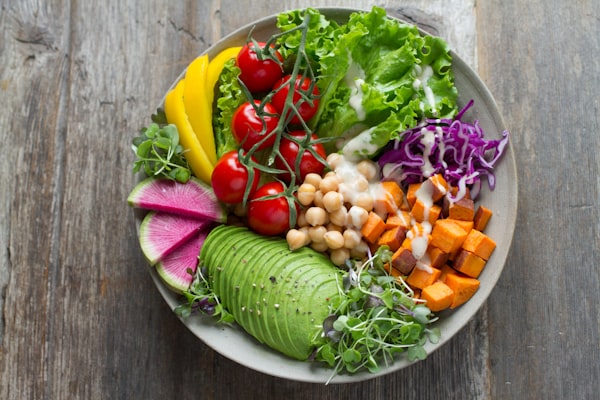
Photo: Anna Pelzer
Little Gem Lettuce Salad Recipe
16 ingredients
30 min
6 servings
openrecipes

A simple fall salad recipe from Thomas Keller with citrus segments, pomegranate seeds, and an easy vinaigrette.
Estimated Nutrition (whole recipe, rough)
576
Calories
7g
Protein
29g
Fat
80g
Carbs
Counts 14 of 16 ingredients — the other 2 aren't in our nutrition table and contribute nothing above, so the real totals are higher.
What these numbers assume — 14 portions →
| Ingredient | Portion assumed | kcal |
|---|---|---|
| Olive Oil | 1 tbsp (14g) | 119 |
| Butter | 1 tbsp (14g) | 102 |
| Pomegranate | 1/2 cup seeds (87g) | 72 |
| Honey | 1 tbsp (21g) | 64 |
| Mandarin Orange | 1 medium (131g) | 62 |
| Orange | 1 medium (131g) | 62 |
| Grapefruit | 1/2 fruit (123g) | 52 |
| Walnut | 1 walnut half (4g) | 26 |
| Black Pepper | 1 tsp ground (2.3g) | 6 |
| Lettuce | 1 cup shredded (36g) | 5 |
| Vinegar | 1 tbsp (15ml) distilled | 3 |
| Tarragon | 1 tsp dried (0.5g) | 2 |
| Parsley | 1 tbsp chopped fresh (3.8g) | 1 |
| Salt | 1 tsp (6g) | 0 |
| Champagne | not in our table | 0 |
| Satsuma | not in our table | 0 |
Totals for the whole recipe, adding one typical portion per ingredient — listed above. Quantities in the recipe are not counted, so this is a rough guide only — not suitable for medical or dietary planning.
Ingredients
- 1/3 cup champagne vinegar
- 3 tablespoons honey
- 1/2 cup canola oil
- 1/2 cup extra-virgin olive oil
- Kosher salt
- Freshly ground black pepper
- 1 pound Little Gem or butter lettuce
- 1/2 pomegranate
- 2 medium satsuma mandarin oranges
- 1 medium Cara Cara or blood orange
- 1 medium Ruby Red grapefruit
- Kosher salt
- Freshly ground black pepper
- 1/2 cup whole walnuts , toasted
- 1/4 cup fresh Italian parsley leaves
- 2 tablespoons fresh tarragon leaves
Directions
Step-by-step directions aren't available for this recipe in our database.
View the full recipe at the original source →
By chow ·
Recipe sourced from
openrecipes