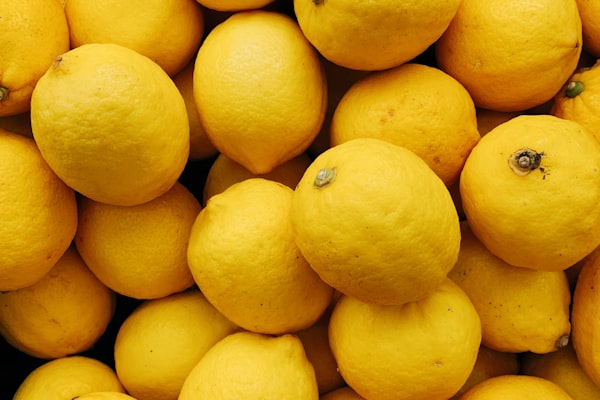
Estimated Nutrition (whole recipe, rough)
What these numbers assume — 7 portions →
| Ingredient | Portion assumed | kcal |
|---|---|---|
| Butter | 1 tbsp (14g) | 102 |
| Cream | 1 tbsp (15ml) heavy | 51 |
| Onion | 1 medium (110g) | 44 |
| Wine | 2 tbsp cooking wine (30ml) | 25 |
| Lemon | juice of 1 lemon (48ml) | 12 |
| Black Pepper | 1 tsp ground (2.3g) | 6 |
| Salt | 1 tsp (6g) | 0 |
Totals for the whole recipe, adding one typical portion per ingredient — listed above. Quantities in the recipe are not counted, so this is a rough guide only — not suitable for medical or dietary planning.
Ingredients
- 1 cup of good white wine (dry aromatic white, preferably French, such as Pouilly-Fumé)
- 1 lemon , juiced
- 1–2 shallots , minced
- 1 Tbsp heavy cream (optional and non-traditional)
- 10–12 Tbsp unsalted butter , very cold and in cubes or lumps
- Salt
- White pepper
Directions
Place the white wine in a non-reactive saucepan with the lemon juice and chopped shallots.
Cook this mixture until reduced to about 2 tablespoons, and don't be shy about letting it boil—it will not adversely affect the sauce. Once reduced, the shallot should still be fairly moist. If you're looking at a dry pan, there's a good chance your sauce won't hold.
Reduce heat to low flame. If you want to increase the holding power of your sauce, add the heavy cream at this juncture, but every authority on traditional French preparation would disapprove.
Begin to add cubes of the cold butter while whisking vigorously. From a technical standpoint, the sauce should stay under 200°F (95°C), so do some of the whisking off the flame. Whisk in 1 or 2 cubes and add more, and continue until you've added all the butter.
Season with salt and white pepper, and serve immediately. The sauce can be held in a vacuum container, such a Thermos, but this is not recommended for long periods of time.