Estimated Nutrition (whole recipe, rough)
Counts 8 of 9 ingredients — the other 1 aren't in our nutrition table and contribute nothing above, so the real totals are higher.
What these numbers assume — 8 portions →
| Ingredient | Portion assumed | kcal |
|---|---|---|
| Butter | 1 tbsp (14g) | 102 |
| Egg | 1 large egg (50g) | 78 |
| Artichoke | 1 medium (128g) | 60 |
| Wine | 2 tbsp cooking wine (30ml) | 25 |
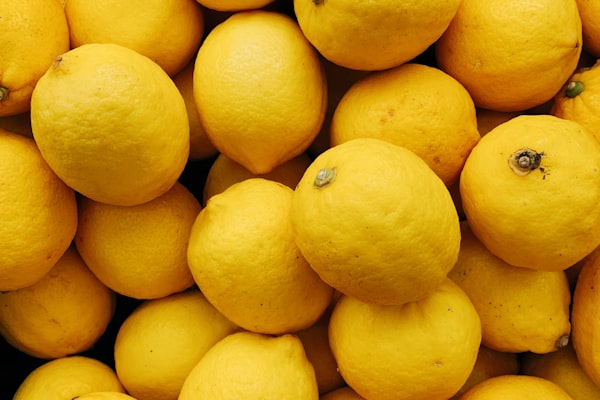
| Lemon | juice of 1 lemon (48ml) | 12 |
| Black Pepper | 1 tsp ground (2.3g) | 6 |
| Garlic | 1 clove (3g) | 4 |
| Parsley | 1 tbsp chopped fresh (3.8g) | 1 |
| Water | not in our table | 0 |
Totals for the whole recipe, adding one typical portion per ingredient — listed above. Quantities in the recipe are not counted, so this is a rough guide only — not suitable for medical or dietary planning.
Ingredients
- 1 medium artichoke
- 1 lemon , juiced
- Water
- Parsley (optional)
- 1–2 garlic cloves (optional)
- Pepper (optional)
- ⅛ cup (30 ml ) white wine (optional)
- Dips, such as drawn butter or mayonnaise
Directions
Cut off top ⅓ of the artichoke, and all but 1 inch of the stem.
Remove base leaves and cut off the tips of the higher leaves.
Sprinkle artichoke with lemon juice to preserve color.
Place artichoke stem up in a microwave-safe dish tall enough to place lid without touching the artichoke.
Fill dish with 1 inch (3 cm) of water and any of the seasonings.
Cover and microwave on high for 6–8 minutes, and allow to rest for 1–2 minutes. The artichoke is cooked when a paring knife can be inserted into the heart without resistance.
Remove artichoke from the dish and place upside down to drain.
Serve whole, with one or more dips. Diners should remove a leaf, dip the base of the leaf in the dip, and eat the fleshy base of the leaf.
When all the leaves are gone, remove the choke, cut the heart of the artichoke into bite sized pieces, and serve with the dip.