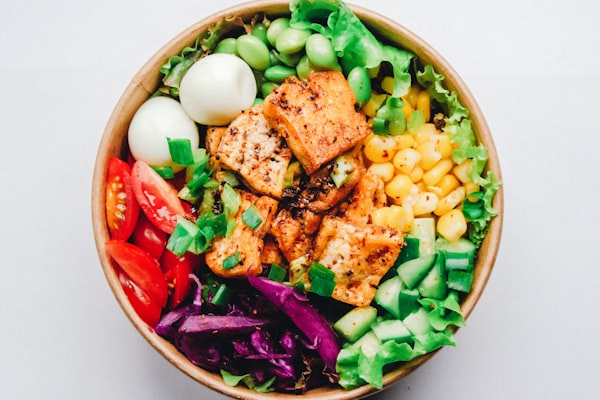
Photo: Lily Banse
Estimated Nutrition (whole recipe, rough)
1023
Calories
63g
Protein
47g
Fat
87g
Carbs
Counts 12 of 16 ingredients — the other 4 aren't in our nutrition table and contribute nothing above, so the real totals are higher.
What these numbers assume — 12 portions →
| Ingredient | Portion assumed | kcal |
|---|---|---|
| Duck | 100g cooked with skin | 337 |
| Rice | 1 cup cooked (158g) white | 206 |
| Chicken | 100g cooked | 165 |
| Olive Oil | 1 tbsp (14g) | 119 |
| Artichoke | 1 medium (128g) | 60 |
| Onion | 1 medium (110g) | 44 |
| Red Bell Pepper | 1 medium (119g) | 31 |
| Bell Pepper | 1 medium (119g) | 31 |
| Tomato | 1 medium (123g) | 22 |
| Garlic | 1 clove (3g) | 4 |
| Rosemary | 1 tsp dried (1.2g) | 4 |
| Salt | 1 tsp (6g) | 0 |
| Rabbit | not in our table | 0 |
| Cannellini Bean | not in our table | 0 |
| Water | not in our table | 0 |
| Saffron | not in our table | 0 |
Totals for the whole recipe, adding one typical portion per ingredient — listed above. Quantities in the recipe are not counted, so this is a rough guide only — not suitable for medical or dietary planning.
Ingredients
- 500 g (1 pound ) boneless, skinless chicken , diced
- 1 large whole rabbit (or additional pound of chicken breast as a substitute)
- 1 large whole duck
- Salt to taste
- 8 tablespoons olive oil
- 3 large red bell peppers , one cut into strips and the remaining diced
- 1 large green bell pepper, quartered
- 1 large onion, quartered
- 28 g (1 ounce) garlic
- 1 tablespoon sweet paprika
- 500 g (1 pound) diced or grated tomatoes
- 500 g (1 pound) canned cannellini beans in water, thoroughly rinsed
- 8–10 threads of saffron and/or 1.5 teaspoons yellow food coloring
- 3 cups short-grain white rice (also called Valencian rice or pearl rice)
- 3–4 branches of fresh rosemary
- 1–2 fresh artichokes (optional)
Directions
1
Please read paella cooking techniques before attempting this recipe.
Recipe sourced from
wikibooks