Estimated Nutrition (whole recipe, rough)
Counts 5 of 9 ingredients — the other 4 aren't in our nutrition table and contribute nothing above, so the real totals are higher.
What these numbers assume — 5 portions →
| Ingredient | Portion assumed | kcal |
|---|---|---|
| Salmon | 100g cooked | 208 |
| Vegetable | 1 tbsp (14g) | 120 |
| Oyster | 6 medium (84g) | 81 |
| Wine | 2 tbsp cooking wine (30ml) | 25 |
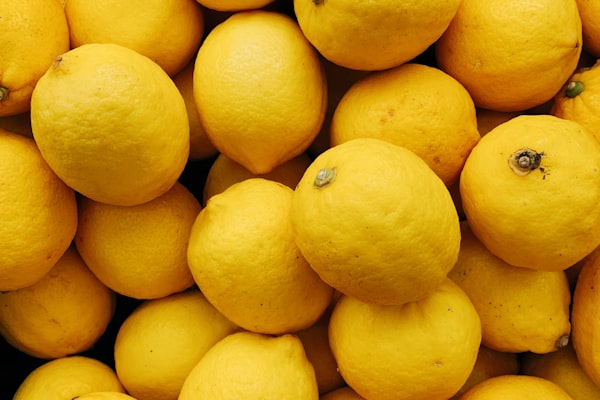
| Lemon | juice of 1 lemon (48ml) | 12 |
| Soup | not in our table | 0 |
| Meat | not in our table | 0 |
| Animal | not in our table | 0 |
| Pastry | not in our table | 0 |
Totals for the whole recipe, adding one typical portion per ingredient — listed above. Quantities in the recipe are not counted, so this is a rough guide only — not suitable for medical or dietary planning.
Ingredients
- a slice of lemon
- one lady writes
- one sour
- three dish-cloths
- one
- one suppose that because she lives in a small bouse
- half saved
- four flecbiitere ot ic erect era luid iohbi ■■- accldenlal gaeats
- 2 lle«ekvit cove r the flr«l eoi
- two sides of the table instead of the two ends
- two ends
- four entrees judiciously selected
- two handed round
- six courses may be made
- 2 sow to oive a dinner
- one thing not to be forgotten is to be sure
- two knifes
- one large
- one small
- two forks
- two kinds of soup
- two dishes are to be served
- four entrees
- two leading ones at ends of the table
- half through
- two kinds
- one accer>t»
- half frozen
- two plates of rous on table
- one requires a second roll
- 5 lumd between oook
- three extra cups
- two spaces are l
- two carvers as servers
- five small raw oysters f on the deep shell
- 3 similar trifle
- one meat
- two kinds -- on© pun^nt
- one mild
- two kinds of animal food
- two kinds of pastry be eaten from the ftame plate
- four mches long
- two wide
- two thick
- one plate should be at each seat
- two kmves by each plate
- one knife should be of silver
- two lands of pastry be eaten from the same plate
- three relays of implements by the plates
- two vegetables
- two varieties m the same course
- two soups
- two fish
- two meats
- one good waiter is worth mwc/i more than two poor ones
- two poor ones
- eight people
- one person
- four wines are suflicient to give the host tiiecredit of having treated his gues
- one clioice wine is made to do s
- one wine only
- one wine only is served
Directions
Gather up the fragments that nothing be lost or wasted. When each neal is over, if you do not have a crumb-cloth under the table, which, when the chairs are removed, can be lifted carefully at the edges and the crumbs shaken into the center, it is best to take a broom and sweep the crumbs £ghtly under the table until the dishes and victuals are removed, then brush 29
450 CLEARISO THE TABLE,
on a dust pan. To clear the table, bring in a dish-pan, gather up all the , silver, cups and saucers, butter and sauce plates, and glassware, carry to the kitchen, place tliem in the sink and return with the pan. Scrape the plates as clean as possible and put in, add platters and vegetable dishes, saving all the remnants of food that are to be kept, on smaller dishes, to be taken to the cellar or refrigerator. To wash the dishes, have clear hot water in the pan, and first wash the silver without soap or cloth, using only the hands; if any are greasy, wipe with a soft paper before putting in the water, rinae in clear hot water and wipe off immediately on a perfectly dry, soft, clean towel ; in this way the silver is kept bright, and does not get scratched. Add some soap in the water, make a suds, wash the glassware, rinse and wipe dry. Next take cups and saucers and so on, leaving those most greasy till the last Always keep a clean dish-cloth. One lady writes, "I have smelt a whole houseful of typhoid fever in one sour, dirty dish-rag." Many pre- fer the use of three dish-cloths, one for the nicest articles, one for the greasy dishes, and one for the pots and kettles, keeping each cloth perfectly sweet and clean, and, after using it, washing, rinsing, and hanging to dry on a tmall rack kept for this purpose. The towel for wiping dishes may also dry here. A dish mop or swab for washing small deep articles is convenient
Let no one suppose that because she lives in a small bouse, and dines on iiomely fare, that the general principles here laid down do not apply to her. A small house is more easily kept clean than a palace; taste may be quite as well displayed in the arrangement of dishes on a pine table as in grouping the silver and china of the rich. Skill in cooking is as readily shown in a baked potato or a johnny-cake as in a canvass-back duck. The charm of good housekeeping lies in a nice attention to little things, not in a superabundance. A dirty kitchen and bad cooking have driven many a hus- band and son, and many a daughter too, from a home that should have been a refuge from temptation. " Bad dinners go hand in hand with total depiaT* ity ; while a properly fed man is already half saved.'
C01IB3E— SOI-
tancjr pieeea. 8- Chu
(TeFs.'*'"' to. Oys\
be Btrvefl, four flecBiitere ot ic erect era lUid IohbI ■■-
accldenlal gaeats. y pieces.
6. HalsiEi. 10. Spooua.
i. tU([ar, 7. Bon lioUB and contectlonory, 11. Nut Crackers,
*. Cuptuilart. 8. Frail. ij. BUno Mange.
IS. Crj'sWJllJf'^l Irtilto. 14. IIitp mliilit bepnrtdlnirfltobe hiindeil round fromliieU
.SUMMER BKEAKFAPT,
FOR 10 WITH 2 llE«EKVIt COVE
r the flr«l eoi:
lerent itylea, and whateTerel 1. UeloD. 1. BadlEh.
_. 1 and other po
[or Ihe olherl). !<»■« iiislrm-ti. mill:, lea aud cuffee, poiaU
8. Powdered sugnr.
s lu dlt-
if orgrRDiiUted augar.
Sl'MJiKEl LUNCH.
7. Brawn hread.^ uila. 8. While bruiid. 9. Cskii-.
10. Cinalcs.
11. Fi.iif J- blseitit.
. Soft all ell erntis. . Frozen peuchca or t
14:\Fr.ilor«h»tclM 15, i )-ou may ohooae.
1?; Green T*«se. 18. Fried Egg pUnU
HOW TO GIVE A DINNER
Ajd oral table, as given in diagram, appears to be the most sociable; and, al- though it is against all precedent, the host and hostess should sit at the two sides of the table instead of the two ends, although in diagram it is ar- rajiged for the two ends. Sitting at the sides of the table the host and hostess are nearer their guests, and are better able to enjoy their society and to enter- tain them. No pains should be spared to have the most comfortable chairs. Under each chair should be placed a stool or hassock for ladies, or for such as may require it. The table linen should be nicely laundried. The tiible cloth should not overlap the table so much as to be in the way of the guests. If napkins are too stiff they cannot be folded well nor used with comfort. Under the cloth there should be a thick piece of green baize the exact size of the table. Wlien carrins is to be done on the table alarge napkin should be placed before the car\'er to be removed in case of accidents. It is also advisable to have a supply of napkins at hand to use in case the table cloth is soiled dui-ing dinner. The use of mats on the table is to be deprecated, as the thick baize should pro- tect the table from the heat of the dishes. Tlie better way is to put dishes on the table without covers, and thus avoid a puff of fast condensing vapor in the faces of the guests. In first class dinners tiiC soup tureen is not placed on the table, but soup is served from it from the sideboard. The soup having been dispcraed of, the fish is brought to the table, and sei-ved by host or hostess. On the removal of fish, four entrees judiciously selected, and each a complete dish
^2 SOW TO OIVE A DINNER.
one of oliyes should never be omitted, bnt the latter should be served in water and not in the liquor they were preserved in. The position of each dish is im* portant. These should be arranged rightly, both for the effect and appeaiwoe and also so as to be aooessible to the guests. The dessert should be kept dished up in an adjoining room or if necessary in warm weather in a cool place to be brought in when wanted. Except when dessert is to be handed round* gos^is prefer to help themselves and to be free from the presence of waiters. Use water in thennger ghisses perfumed with a few dropsof rose water or lavender. Coffee as bright as well decanted wine is the proper conclusion of every dinner. The plate, the dinner, and dessert service, the glass^ etc., go a great way towards making the dinner table look pretty and inviting. The most fashionable dinner service is of plnin white with a small fillet of gold and the ^rms or crest and motto of the owner painted on the flat rim of the plates and djshes. The glass should also be engraved with the same heraidio device. Dessert service made entirely of glass are sometimes used and has a pretty effect. One thing not to be forgotten is to be sure and have good bread; if you do not, procure rolls from your baker.
DiSTBUCnONB TO WAITEBS.
L In the ^'demi-Russe* dinner here given, the ^joints or dishes are to be carved before placing before the person serving them.
2. The person serving fills plates according to the preference of each gaest. The waiter then bands the plate, and if vegetables or sauce accompanies the dish, will also hand these to the guest at the same time he does the plate, unless a second waiter does this.
3. If waiter is asked for tea, coffee, or chocolate, he will furnish these from sideboard. If &>ked for water, he will take it from pitcher on table.
4. The waiter will S(e that the proper number of plates are placed before server for each separate dish of the course.
6. Ko plates are placed on the table for this styleof dinner. Only a napkin ^ith a roll or square of bread in it is placed where the plate would be. Also two knifes, one large, one small, and two forks and a spoon, also glass for water^See diagram.)
6. Furm»h both ends of the table alike, and, in addition to the servidS placed for each guest, furnish a carving knife and fork, a fish slice and prong Also furnish a gravy spoon with each fresh dish placed at the ends of the table.
7. If two kinds of soup or in case where any two dishes are to be served, place one at each end of the table. If there are three or four entrees, place the two leading ones at ends of the table, and hand around the others.
8. Always hand the sauce for each particular dish to the guest partaking of that dish.
9. If asked for the pepper or anything else from the cruet or castor, hand the cruet or castor entire to toe guests.
10. If asked for any condynent such as French mustard, olive, chow-chow, etc. etc., hand bottle, if in a bottle, or glass, if in a glass, to the guesti with the prong or fork, and let the guest serve himself, then i)lace back where it was on the table.
11. Be on the alert, and in case of accident, hand your napkin to the gaest, and if neccessarv remove his plate, remedy the trouble as soon as possible, lay down a mat on the soiled cloth, and replenish with knives and forks, napkin, etc. , and procure the gm st a fresh supply of what he was eating.
12. When you place dcFs^ert on the table, place a dessert plate, dessert knife and fork also spoon, to each plate. Remember also the fin<rer bowL
13b If ice cream is served, serve it independent of the tiead of the table, as his work is through with the first courses. The usual form of ice cream now is bricks.
14. When dessert is half through, hand the menu, or bill of fare, to each guest, calling his attention to the ice cream. Take nis order and fill it.
15. If any guest has already ordered ice cream, do not offer the bill of fare to bJTn-
16. If it is decided to have boquets, called a "boutonniere^" for the guests.
HOW TO GIVE A DINNER. 463
then place one in aglBss or silver holder by the plate of each lady and genile- znBn, tinlees, as is eometimesthe case, those for the gentlemen are plamd on the napkins without a -holder.
17. if salad accompanies any dish — a salad is always in order — ^hand it Around to each gaest
18. The host sits at the head of the table; the hostess opposite him at the the other end of the table.
19. The soap is always placed before the hostess, and if the salad is placed on the table, that is also jilaced before her, and any portion of the dessert she may desire to serve, and is handed from her to the gnests.
20. The waiter will remove each person's plnte as soon as he has finished.
21. Be quick, yet do not appear iu a hurry. Waiters should not speak to each other unless it is positively necessary. •
22. The proper dress for a waiter is a dark dress coat ondtrowsers, while vest and neck-tie. A waitress should wear a dark dress with white apron and cap. Both should wear lit?ht slippers or boots, and make as little noise as poi^sible.
23. If rneniis or bills of f ire are used, i)lace one at each plate.
24. If you have to lay a table for dinner a la livsse, the dessert is alwnys placed on the table first, and should be placed tastefully around the center of liowers. Note diajrram for demi-llusse dinner; the dessert is placed round the edge of the table, that is if the hostess desires to have it thus placed. In a din- ner a la Russp, tae joints or dishes are broujjht in one at a time and carved by the host, and as he carves each plate, .the waiter hands it on a silver tray. In the denii-Iittsse J the joint? are carved before being placed before the server. (See diagrams.) In some dinners the joints or dishes are carved and handed to the guests for them to help themselves. In this case each guest must be fur- nished with a plate which of course must be placed — with napkin and roll on it — when the cloth is laid. The waiters should confer with the cook and the cook with the housekeeper or hostess, and have all these points settled before- hand. If there is a butler, it devolves on him to see all these points settled and to instruct his as^^istants. Sometimes the host or hostess will direct each gueet to his seat, sometimes the butler will do it, and sometimes the waiters.
SITMMlfnt BBEAKFAST FOB TEN. (TWO BE8EBVED PLATES.)
FinsT Counsjc, Meixjn — ^^Vhen table is laid (see diat^ram) guests enter and lake peats. Waiters place tea and coffee urns and bring melon. The gentleman serving asks each guest if he will be helped t3 melon. If the answer be yes, wait- er receives plate from server and hands to guest, exchanging plat^ and return- ing empty plate to sen'er, who places melon on it for another guest and so on. As soon as all are served, or have refused a second helping, the waiter removes the remains of the melon, and replaces it with dish for second course. The la- dy at the head of the table asks each guest to partake of t«a, coffee, or choco- late. If any accept, waiter receives it and hands to guest. Asking guests to take tea etc., in first course, is a mere matter of form, as it is seldom taken until second course. Still the question must be asked, and waiter ready to serve it.
8xx30Ni> CouESB — In the place of melon, a dish of fish — fried perch, smelts, trout, or whatever is selected. Scmce Tartare is a proper accompaniment. Decorate dish of fish with shrimps or olives cut in half, or with little bunches of parsley with shrimp placed on it. Waiters also remove' first set of dessert plates used for melon, and replace with a size lar- ger, medium breakfast plates. The waiter then receives a supply of fish from the person who serves it, hand t& the guests, receiving empty plates, and helping guests to what accompaniments they desire. Another waiter asks if gnest will take coffee or tea, and supplies it from party serving it. Potatoes are handed round (with either meat or fish.) If two kinds, present one in each hand for guest to help himself.
Thibd Goubse — ^Young chicken sauced with cream gravy, surrounded with potatoes a laneige. Waiter removes fish of second course, and replaces with Tonng chicken, then attends to wants of guests as in second course, remember- ing to ask each if he wiU take tea or coffee; also asking each if he will take his
^W HOW TO GIVE A DINNER.
tea or coffee wanner. Glean plates same size as for second course, must be
■applied to each (meat.
FouBTH CouBSB — PoEched eggs on toast, or anchovy toast. Waiter removea chicken aiid replaces it with di^h of poached eggs, and tarnishes clean plates. Party serving asks each gaest if he can help him, and waiters serve sb in the other cases. Lady dispensing tea or coffee asks gaests if they will be helped to warmer tea or coffee. If any one accer>t», waiter hands clean cap andsanoer. from the Bideboaid to lady serving and then hands it to the gaest. If milk ia asked for he procures from sideboard and hands to the gaest. Waiter also watches the gaests and sapplies them with hot cakes, receiving a dish of hot ijones for that purpose every five minutes, handing dish of cakes to gueat who 'helps himself.
FinH Ck>UR8B — ^Littl e fillets of porter house steak with tomatoes a la mayon^ naiae. Waiter puts on steak in place of plate of poached eggs,* and caters to wants of guests as before. Wliile guests are eating this course, the waiters or an extra waiter, as quietly as possible relieve the table of the castor, pickles, sauces, dressing ana butter. But not till the last moment must this be done, at the same time asking theguests if they require more. The dessert or rather fruit, sixth course, is then brought in and placed where steak was; arrange as quicklv as possible, the service remaining on the table in neat order, re- move each guest's plate, aud again furnish dessert plates, At a signal from lady at head of ttible, waiter hands around fruit to guests, each guest suppling himself, nnlcss the person before serving the other dishes serves this, in which case waiter Bui)plie3 each as before. Waiter also sapplies each gnest with tea or coffee, and hands around cake, biscuit, etc At this course a finger ^asa should be supplied to each guest.
Sixth GouBSB — Peaches quartered, sweetened or half frozen or any fruit de- cided upon. Carry out the instructions given in the fifth course. In some breakfasts order is reversed, and fruit is served in first course only. In this case various fruits are placed on table, and allowed to remain till end of break- fast so that guests may partake at any time. In first cl :fls breakfasts fruit forms the first and last course, but waiters should be instru.ted beforehand, which plan is to be followed.
INSTBUOnONS TOWAITPBS.
First, air breakfast room well. See that everything has been dusted. Next lay cloth — white is the fashion now — and see that it is free from wrinkles and creases. See that all articles for tablb are perfectly clean. Place craet«, cas- tors, sauces, salts, spoon, sugar, syraj), aud everj'tl.ing that will not hurt to stand a while, in propt r positions on table. ^See diagram. ) Then a few min- utes before calling break fsu^t, add cake, sw.eet biscuit, muffins, etc. Just before guests begin to come, add flowers and salad. Note position of tea tray con- taining tea cups, also urns. Note also plate at head, which will show yon what cutlery and plate to put near that plate. ^ Place a glass for each plate for water. Place the ])lates bottom np with napkin on the top of each. At end of table where dishes are served, (see diagram for melon,) place ;>late, cutlery and glasses for other guests, also carver and carving fork and knife rest, also a fish trowel, also a few reserve plates. In event of an accident they are nandy. If any guest require bread, supply it from sideboard. A small roll should be placed in each guest's napkin. If this is not done, place two plates of roUs on table, or puss a dish of rolls. If any one requires a second roll, he asks for it In no case place napkins in gla-^ses, but on plates, whether rolls are in them or not. As soon as guests are seated, ask if they prefer milk or water. If water, fill from the water jug. If milk, fill from the milk pitcher. Both jog and pitcher are kepton sideboard. -It is necessary to have a waiter or some one at head to see that all table a2>pointments are correct, and that other waiters dis- charge their duties. It is also neccessary to
HOW TO GIVE A DINNER. 4^5
lumd between oook. waiters and lady of the house, bo that each may Imow what Sb oominff next, ana how to manage. It Is the head waiter's place to see that salt ' Sb dryandfree from lumps, that castors are in good condition, and that oil, mustard, and salad dressing are fresh, etc. For further instructions refer to diagi'am, and explanation of courses, and articles on dinners and breakfasts. It is best to place two or three extra cups and saucers in tray to use in an emerg- ency. The sugar, milk and cream should be placed before hostess if she is to dispense them, or she may simply dispense tea and coffee, in which case the sngar and cream should be passed by waiters, or put within reach so that guests may help them»elyes. Chocolate will be served from sideboard, if a> all, and BUgar and cream handed with it for those who wish.
Remember the diagram is given only to show the lay of table, number of ; dishes, also their nature, but these may be changed to suit. This does not show separate courses, but in case you wish to serve in courses, proceed as for dinner, observing the same rules* Lunches are similar to dinners; dishes are less in number, and not of a nature to require much carving. It is usual to have a larger variety of pastries, fruits, and confections than for dinner. In fact some iTmchesoojisist of sweets only. In winter lunch diagram two spaces are l.ft (Fig. 2 and 17) to be filled in with anything choice in the way of preserved fruits, fruit jelly, etc. In summer lunch No. 13 14, 15, IG, are for same pur- pose, fruit being more plentiful then.
From the others it is easy to make up supper. These differ so, it is difficult to lay down a plan, as some make them a late dinner, some dinner and supper. To lay supper is an easy thing. The pages of this book tell how to provide a good supi)er whether for family or for party. In lunches the plan known as demi-Russe has been adopted, a compromise between the entire Russian, and the old fashioned English plan of placing every dish upon the table. The dia-
Sam calls for two carvers as servers, one at head and one at foot end of table, at is to say if dishes are carved by per ~ons sitting at these places. Place the dishes before them whole, tastefully garnished. If dishes are first carved and then placed before them, they will simply serve them. In either case place
Elates as shown in diagram, and as fast as each plate is suppUed, let waiter and to each guest. Carving knife and fork must be place I on table to serve with, to Wready in ca>e carving is imperfectly done. In case cook or mistress wishes to display her skill in dishing up, garnishing dish, whatever it may be, waiter locates it in proper place on table, and while company are engaged in talking, quietly removes it to sideboard, and quickly aud deftly carves it, gar- nishing as well as time will allow, then replace in its original place. Another plan is to carve, arrange nicely on the dish, and then garnish tastefully, and place before carver or server. If tea, coffee of chocolate are included in lunch, serve from sideboard. Waiters generally have less to do at lunch than at din* ner because guests are under less constraint aud of teaer help each other.
WHAT ABE PBOPEB DISH£S FOB EACH COUBSS.
I. Five small raw oysters f on the deep shell, so as to retain the liquor) just before dinner, and put at each plate before the dining room is opened. A. colored doiley may be put under them on each plate. If oysters are not in season, substitute small round dams. If weather is quite warm, let them rest on eacn plate in a bed of cracked ice. In either case quarter of a lemon, on each plate. With clams, red pepper within reach.
II. After fish, either patties, bits of toast, each supporting a single selected mushroom and saturated with brown sauce, or so m 3 similar trifle. Whatever is used, let but one be put on each plate, and before the plates are handed.
in. If you have more than one meat, let the first be relatively substantial, and the second of a lighter character. For instance — & filet of beef might be followed by chicken croquettes, or a boiled turkey, (which is never really good without oyster sauce, ) by mutton chops with almond paste. Other things, even, let a roost prec^e a boil, but put the heavier thing first.
IV. After meats, entrees, such as croquettes, calves' brains, devilled kidneys, oysters, fried or boiled, etc.
y. With game, jelly; though true epicures ddn't take it. The salad is fre-
46ii HOW TO GIVE A DINNER.
qvectly Berved with the frame, though for those who wish both jelly and salad, thif> ifl awkward, if jelly be served.
VI. After salad, cheese, either one of medium strength, or two kinds— on© pun^nt, one mild. The waiter had best hand both kinds together (previonBly cat up) for tite company to choose. With this, hard crackers.
Vlf. If yon elaborate your dessert let the order be; paltry or pudding, ices, fmite, nuts, and raisins, bon-bons.
X. Black coffee in small cups. Sugar, (in lumps,) to be passed separately.
This is quite frequently reserved till the ladies have left the table and served to them in the parlor, and to the gentlemen in the dining room.
OENKBAIi HINTP.
Never let two kinds of animal food or two kinds of pastry be eaten from the ftame plate: make a fresh course of each.
Cards on plates, bearing the names of the company, so as to seat them with reference to congeniality, are very important. For host or hostess to marshal them after they are in the dining room is not nearly so easy as for them to marshal themselves by the cards, and the host and hostess are sure, in the confusion of the moment to get people placed exactly as they did not in- tend to have them . . , , ^ ., .1 X i^i.- 1 J
Cut pieces of bread about four mches long, two wide, and two thick, and always place a piece beside each plate in setting the table.
Finger bowls are to be passed after pastry on plates with doileys between the plates and the bowls. The plates are to be used for fruits and nuts, if there are any. If none are handed, the finger bowl will not be taken from the plate. The finger bowl should be filled about one-third, contain a slice of lemon, and in very warm weather, a bit of ice.
It is well to have a dish, atoneside,independent of any that may be on the table, with grapes cut into small bunches, and oranges and large fruits halved. If fruit decorating the table is to be used, let it be removed and prepared
before it is passed. ^ * i. • j , i i.
Avoid cane seat-; in a dining-room. Where fine fabrics and laces ju^ kept on them so long a time continously (longer than anywhere else) they play havoc.
One plate should be at each seat. The raw oysters or clams, on a separate plat^ are placed on the first plate. So with the soup. The first plate is exchanged for the plate with the fish. Always have a stock of plates m reserve suflacient for all the courses and properly warmed. The most decorated plates are best en- joyed about the time of salad or cheese and at dessert. ^ . ».
It saves the waiter's time to start with at least two forks, and two kmves by each plate. It is not bad to have three. One knife should be of silver, for the flsh. Silver knives are, of course, essential for fruit.
Napkins are never supposed to appear a second time without washing. Hence napkin rings are domestic secrets, and not for compMiy.
Never let two kinds of animal food or two lands of pastry be eaten from the same plate: make a fresh course of each. .^, , ^ * i. * ^ x j •*.
Always change knives and forks, or spoons with plates. As before stated, it is well to start with two or three relays of implements by the plates.
Don't have over two vegetables with a course. Let them be offered together on the same waiter. At a large dinner, you can have two varieties m the same course, i. e„ two soups, two fish, two meats, etc., letting thewaiter offer the guest a plate of each at the same time, the guest choosing between them.
Everybody is always out of bread: prevent it if you can.
One good waiter is worth mwc/i more than two poor ones.
Two hours is long enough to serve any dinner that Ohnstians ought to eat,
three hours and a half is too long. ^^ * v s u* mi. x. 2.
The host goes in first with the lady whom he seats at his right. The hostess goes in last with the gentleman whom she places at her nght
The worst torture that survives the inquisition is a bad formal dpmer. A worse torture than any known to the inquis^on is any formal dmner (the better the diimer,the worse the torture) inefflcxenUy served.
UO W TO GIVE A DIXNER. 4b7
Flflh at dinner mtiBt never be fried or broiled. An exception mny be made in favor of a delicacy, each as smelta or trouL
Fresh i)ork and veal are seldom seen at the tables of those who know how to dine or to digest. Bat a ham, baked with sugari is an very honor- able companion af er fish, all the way down to ^.ime. It is ontu an i^coesscry, though, never the basis of a decent dinner. It should be liandea aroond sUceu, after the regular coarse is served.
In place of salad some specially nice vegetable, sneh as asparagus, green corn, or a well-cooked cauliflower may last .fully be served as a ^eparate course. In fact there is much to be said in f .vor of a'way ^ perving separately a vege- table which does not, like potatoes, stewed tomatoes, bean:^, pe:is, etc., seem the natural ac<;essory of some meat.
Chesterfield's idea that a dinner party should not include fewer than the Crraces or more than the muses, ha<« the approval of later generations. Especi- ally commendable is the rule where waiters are scant. A superlatively good waiter in a well-ordered house can manipulate eight people.- if he has an as- sistant in the pantry to prepare everything for him. If you ask one person more, you'll spoil the fun of nine, unless yon get another waiter.
Liast and not least, dining rooms are alwa-s too hot.
THE QT7ESTI0N OF WINXS.
This is best answered by remarking that in first class — and in first class din^ ners, breakfast Sj etc. onbjj a profusion of wines is admissable, sometimes as many as a dozen different wines being then served. Tiiis does not denote ele- gance or good taste, but rather a low taste and depraved appetite, and is more suited to wine pui)pers or parties. Three to four wines are suflicient to give the host tiiecredit of having treated his guests "right royally." But they should be of the choicest kinds.
Oft .-n times one clioice wine is made to do s.Tvice for all coiirses, such as clioice claret or champagne.
Many first class dinners are given without any wine, at either dinner or des- sert, Otliers again are strrved ^ithuut wiue, but wine is served at dessert. Sometimes not till after dessert. In which cjlso, either with or after dessert, let it be a good champagne. This is nieiitioiu'd to disabuse tho minds of any who think it imperative, that wine should be scrvect with all or any M\ri of a conrse of a dinner. It is purely a mater of tasio and sensible persons or guests will make no comments. Still if yoa decide to have wines, let it be, say three, and let it be a choice sherry with tho soup, claret with first course after the fish, and champagne with the roa-ts.
Should you decide to serve a fourth wine, let it be a chateau yquem, to be served with an entree.
It is before stated, if you decide to have one wine only, and that a cham- pagne, serve it just after the fish.
Many serve claret during the entire dinner, it matters not how many other kinds are served, in which case claret is on the lahle, so long as the service is on it, and other wines are handed round, or waited to be asked for and then handed. Some also do this, makingchainpagne the standard wine. Cham- pagne is preferable to claret. Wiiere one wine only is served, claret is not offered. It is a mistake to serve a strong, high spirit wine at the commeace- ment of a dinner.
To many it will be well to remark that, as a rule white wines, such as Sauterne, Rhine, etc are served with raw oystei-s, when raw oysters, as tiiey sometimes do, precede soup, or af ler the oy ters, and just before the soup.
With soup or fish, Stierry or Maderia is most approved; with the meats cham- pagne, with game, claret or any red wine.
Some serve claret after the fish, as it is a light wine, and can be drank instead of water. In dessert, let it be superior sherry, Port, or Bur;,nindy, or some
fine wine.
Sometimes liquors, such as Maraschino, and Caracoa are served in liquor glasses with, or after dessert. Sometimes not served until after coffee.
From the foregoing it will be conceded there is sufficient license to admit of your pleasing yourself somewhat, without fear of displeasing your gu^^ts. Anfrthing like an observance of the foregoing rule will sufQ e.