Estimated Nutrition (whole recipe, rough)
Counts 2 of 3 ingredients — the other 1 aren't in our nutrition table and contribute nothing above, so the real totals are higher.
What these numbers assume — 2 portions →
| Ingredient | Portion assumed | kcal |
|---|---|---|
| Wine | 2 tbsp cooking wine (30ml) | 25 |
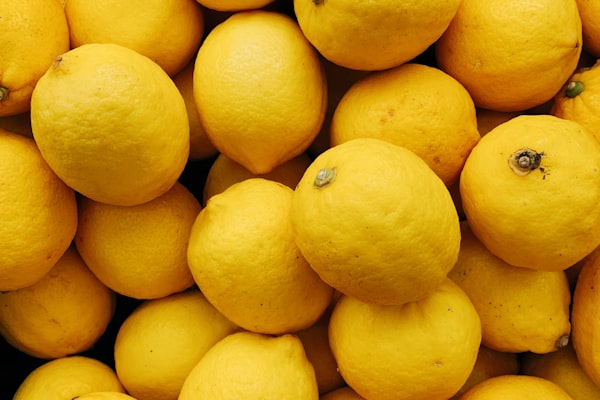
| Lemon Verbena | juice of 1 lemon (48ml) | 12 |
| Rose | not in our table | 0 |
Totals for the whole recipe, adding one typical portion per ingredient — listed above. Quantities in the recipe are not counted, so this is a rough guide only — not suitable for medical or dietary planning.
Ingredients
- a sprig of lemon verbena as these leave a pleasant odor on the fingers
- half unfolded his napkin
- 12 people
- three knives as may be required
- one has pretty little dishes of silver
- half filled
- two guests to use the same finger bowl
- six guests at a charming breakfast party were seated at round tables in three di
- three different rooms
- one table was gorgeous where a center piece of bright pink roses formed the colo
- one has a beautiful center-piece of lace
- one which has just been used
- one plate at a time
- one side
- half shell
- eight courses at the most formal dinners
- five courses were served
- three different kinds are enough
- one wishes wine
- one need hesitate to give dinners without wine
Directions
In setting the table let this rule be followed first, last and all the time — have the table linen spotlessly white and of the finest quahty that you can possibly afford to buy. The chief charm of any table lies in its neatness and daintiness. It is much better economy to buy firm, fine, thick table linen even if the cost is higher, than to buy the coarse, loosely woven, thin linens as the latter do not wear nearly as long. Always use a thick table pad of material which comes for this purpose (the thicker the better) under the tablecloth. This pad should extend 3 or 4 inches over the table all around as it thus prevents the tablecloth from wearing out where the edge of the table comes. This pad is called a "silencer" as it deadens the noise and makes a more refined table. It also protects a handsome polished wood table. Table linen should not be starched. For the family alone, have the table as spotless as for company. Generally it is only at meal time that the entire family is assembled together, and the refining influence of home can be taught in no surer or better way than by neatness and dainti- ness of table and cheerfulness and good manners at table. Leave all care, worry and anger outside of the dining room. This should be the happiest place in the home, as it is the most necessary. Be perfect in table deportment always. I would say to young parents that one of the most important lessons which they should teach their children is perfect table manners, and to require of them al- ways to be particular even when only the family is present, then when company comes there will be no fear that Johnnie will stick his fingers in the pickle dish or that Susie will take her pie up in her
348 THE MEiSTDELSSOHN CLUB COOK BOOK.
and the proper placing of them on the plate when through, stamp the seal of early training and good breeding wherever it is seen. It is said that the Empress Eugenie of France was so punctilious about table etiquette that she never invited a gentleman a second time to dine who more than half unfolded his napkin or placed it other than over his left knee.
Square, oblong or round tables are used, but the latter lend themselves better for effects in table decorations and show off a good dinner to the best advantage. A round table top of pine, hinged in the center so as to fold when not in use, is very conven- ient to place on the dining table to enlarge it. A top measuring 7 feet in diameter will seat 12 people, the rule being to allow 20 in- ches to a person. It is good form to use either a round or square tablecloth for a round table.
The service plate, knives, forks, spoons, glasses and napkin for each guest constitute the Cover. The service plate should be the handsomest plate you have and should be 10 inches in diame- ter. It is placed on the table before dinner is announced, and is left on until the meat course. Although the dernier cri concern- ing this plate is that it be left on the table through the dinner until the dessert. It is good form to do either. On the right of the serv- ice plate place one, two or three knives as may be required for fish, meat and game, with the sharp edge toward the plate and in the order in which they will be used, beginning at the outside. At the right of the knives place the soup or bouillon spoon and at its right the small fork for oysters or canapes. The forks should be placed at the left of the service plate with the ice cream or dessert fork next to the plate, then the salad fork, game fork, large fork for the roast and the fish fork at the extreme left. Place spoons for sher- bet and coffee above the service plate. If a spoon is used for ice cream or dessert instead of a fork, place it above the plate. Above and at the right of the plate place the goblet for water and arrange wine glasses just beside and a little back of the goblet. If there is room, place the napkin at the left of the forks with a roll, or thick piece of bread cut narrow and with the crust removed, between the folds. If there is not room, place it upon the service plate. Dinner cards containing the name of the guest should be laid upon the napkin. Individual dishes for salted nuts should be filled and placed above the forks at the left of the service plate.
Dinner cards may be decorated in any dainty way to match the general scheme of decoration, but those most used at present are plain white cards with the monogram or crest of the hostess
TABLE ETIQUETTE AND MENUS. 349
in gold at the top. Menu cards are seldom, if ever used, at private tables now. If one has pretty little dishes of silver or Venetian glass they may be filled with salted nuts, and candy or confections, generally tinted the color of the decorations and placed on the table. Butter plates are not used for dinners. Finger bowls are not used as much as formerly. When used, they should be put on a small plate on which has been placed a dainty doily. They should be half filled with water on top of which floats a geranium leaf or a sprig of lemon verbena as these leave a pleasant odor on the fingers. Never require two guests to use the same finger bowl. Extreme simpHcity combined with artistic effect is the rule at present for table decorations except for special occasions when one can let their fancy run riot as it is understood by the guests that it is for the occasion only. The day of profuse use of ribbons has gone by. Flowers, ferns, fruits or softly shaded candles together with spark- ling glass, shining silver and snowy linen makes a beautiful, aesthetic picture. Flowers may cost more than their weight in gold if orchids are used, or they may be plucked in the woods or by the wayside and be equally beautiful and attractive. Thirty- six guests at a charming breakfast party were seated at round tables in three different rooms. One table was gorgeous where a center piece of bright pink roses formed the color note. Brilliant yellow daffodils adorned another table, but the third and by far the most beautiful table contained a large cut glass bowl filled with the roadside flower called "Queen's Lace Handkerchief," its dainty white blossoms beautiful as the cobweb affair which such a handkerchief is
350 THE MENDELSSOHN CLUB COOK BOOK.
When everything is ready the hostess very quietly announces the fact to those nearest to her and together they start towards the dining room, thus giving the signal for the others to follow. It is extremely bad form for the host to announce in stentorian tones to the assembled company that "dinner is served," as this should be done by the butler alone, and his place should not be usurped. In this country where few people keep a butler, this public announcement should be omitted. The seat of honor for ladies is at the right of the host and for gentlemen at the right of the hostess. When all have been seated the serving should proceed as quietly as possible, and no matter what may happen or what accident may occur, the hostess should never betray any nervous- ness, nothing is more distressing to guests than to see a hostess ill at ease and anxious. Plates, whether filled or empty, should al- ways be placed upon the table from the right side of each person and removed from the same side, but all platters or dishes to be served from, should be presented at the left side. The tray is not now used in passing and removing plates but instead, a squarely folded napkin is held by the waiter under the plate. The hostess should always be served first. Do not remove all of the plates at the end of a course before serving the following course, but in- stead, a plate for the next course should be exchanged for the one which has just been used, thus leaving a plate continually in front of each person. Remove and serve only one plate at a time, never pile plates upon each other. The crumb scraper is seldom used at for- mal dinners, but if necessary, it should be just before the dessert. The waitress shou
TABLE ETIQUETTE AND MENUS. 35l
The Formal Dinner.
The formal dinner party is the most ceremonial function which can be given. Some of the courses are arranged on the plates be- fore being brought to the dining room, other courses are artistic- ally arranged on platters, garnished and passed, the necessary forks and spoons for serving them lying on the top a little to one side. Oysters or clams should be served on the half shell for a for- mal dinner. If canapes are used they take the place of the oysters or clams and should be arranged on small plates before being brought to the table. The soup or bouillon is usually served in the soup plates or bouillon cups before being brought in, the soup tureen is not generally used for formal dinners. The fish, meat, game, salad and dessert may be served according to the desire of the hostess, either by having the plates filled and garnished in the kitchen or from a beautifully garnished platter at the table. The latter way is most popular as there is much attention paid to garn- ishings at present. Sherbet follows the meat course or is served with it. It is served in fancy glasses. It is quite customary to serve a vegetable salad with the game and only vegetable or fruit salads should be served at a dinner. The lighter and more simple the salad for a dinner, the better. Fruit should be arranged and passed in a fruit dish or comport. Cheese with Bar le Due cur- rants and wafers are appropriate at both dinners and luncheons. Nuts and raisins are not used as much as formerly at dinners. Coffee should be clear and strong, served in small cups from the kitchen or poured at the table by the hostess. The cup should be placed at the right hand of the guest and cream and sugar passed on a small tray at
352 THK MENDELSSOHN CLUB COOK BOOK.
pushing her chair back from the table, the others rise and foUow her into the drawing room. Sometimes the gentlemen remain in the dining room to enjoy cigars or cigarettes, the ladies going alone to the drawing room, but if a host has a smoking room all leave the table together, the gentlemen then following the host for a smoke in his own territory.
In serving wanes, three different kinds are enough for the grandest occasions. Sherry or madeira with the soup or fish, champagne with the roast, claret or any red wine with the game. If one wishes wine with the dessert use port, burgundy or any fine wine. Very small glasses of liquors such as creme de menthe, apri- cot brandy or benedictine, are often served at the end of the din- ner after the coffee. If champagne alone is used, begin to serve it with the meat course.
Unfermented grape juice is an excellent substitute for those whose conscientious scruples do not allow them to serve wine. No one need hesitate to give dinners without wine. Public sentiment has grown so strong on this question that it forbids criticism as to the propriety of omitting it. Dinners without wine are considered in as good or better taste, by many sensible people, than with it.