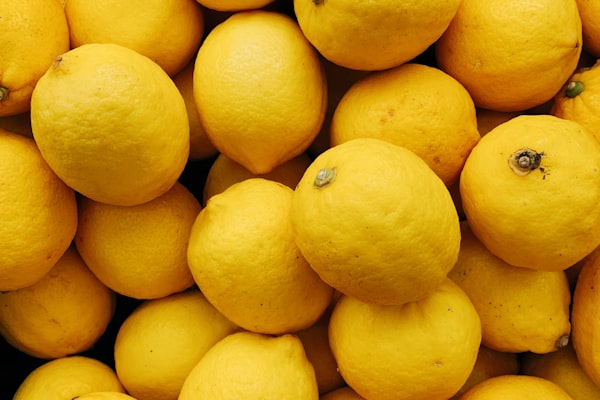
Estimated Nutrition (whole recipe, rough)
What these numbers assume — 3 portions →
| Ingredient | Portion assumed | kcal |
|---|---|---|
| Egg | 1 large egg (50g) | 78 |
| Pea | 1/2 cup (72g) | 62 |
| Lemon | juice of 1 lemon (48ml) | 12 |
Totals for the whole recipe, adding one typical portion per ingredient — listed above. Quantities in the recipe are not counted, so this is a rough guide only — not suitable for medical or dietary planning.
Ingredients
- a teaspoonful of salpicon
- two com- bined
- 87 not make kromeskys without thread
- two peas
- two egg s
- one lemon
Directions
3. Remains of poultry and game, or of the two com- bined, make a very good salpicon, and the addition of some tongue or ham to the former is desirable ; but the preparation must be somewhat different, and a liaison of yolks of eggs and lemon juice is imperative ; in fact, to make a good salpicon of fowls, you should have some good veloute sauce wherewith to bind your minced fowl and tongue, to which the addition of minced truffles, or at least mushrooms, is almost indispensable if you wish to produce a truly artistic dish.
4. With fish, particularly salmon, excellent salpicon for kromeskys is made ; and it is for these that the wafer instead of bacon or calf's udder is used. To make salpicon of fish, all that is needed is to mince the fish to the desired size ; then give it a turn on the fire with a well-made white sauce, add a little spice, and set it to cool.
5. Sweetbreads, cockscombs, and all other things which are used to make a ragout for a vol-au-vent can also be employed to make salpicon.
6. Lobsters and prawns, minced to the required size, and bound with a good white sauce and a liaison of yolks of eggs, constitute another variety of salpicon ; but for these, wafer should be used in preference to bacon.
Having your salpicon ready, the mode of proceeding is this : Cut some slices of previously parboiled bacon as thin as you possibly can, and to the size of about an inch and a half by two or two and a half inches ; place on each slice a teaspoonful of salpicon, and roll it up in the bacon very neatly : keep the kromeskys in a cool place till the time of frying them, when much dexterity is required to dip them in batter and lay them in the frying pan with- out unrolling them. Some clumsy people tie up their kromeskys with a bit of thin thread before dipping them in batter : this should be avoided. If a cook can-
not make kromeskys without thread, she had better not make them at all.
When calf s udder is used it should be previously boiled in the stock pot ; then very thin shoes of it should be cut as described above.
To use wafer is the easiest of all ; it need only be dipped in cold water. In all cases, however, great care must be taken to pack, so to speak, each kromesky neatly and
Oysters make also very good kromeskys, but I doubt whether they are not better as a simple fritter, viz., dipped in batter and fried. If, however, you wish to proceed artistically, you should, having pai’boiled and bearded your oysters, put them for two or three hours in a mari- nade composed of the juice of two or more lemons, slices of onions, a bay leaf, and some whole pepper and cloves.
Another very toothsome form of pried oysters is this. Beard and parboil your oysters ; when quite cold split each oyster nearly in half, insert in each a piece, the size of two peas, of the following composition, then close them again, dip in batter, and fry. Mince very finely some mushrooms and shallots, and truffles; give them a turn on the fire, with some butter, pepper, salt, and a small quantity of glaze or savoury jelly ; set the composition by stirring into it the yolks of two egg s, and the juice of at least one lemon, then let it get cold and use it.
The remains of any firm-fleshed fish, such as soles, turbot, &c., cut into neat collops, steeped in a marinade such as that described above for oysters, then dipped in batter and fried, constitute a homely but useful form of fritter.
Now, as to vegetables. There are many which may