Estimated Nutrition (whole recipe, rough)
Counts 3 of 5 ingredients — the other 2 aren't in our nutrition table and contribute nothing above, so the real totals are higher.
What these numbers assume — 3 portions →
| Ingredient | Portion assumed | kcal |
|---|---|---|
| Cherry | 1 cup (138g) | 87 |
| Sugar | 1 tbsp (12.5g) granulated | 49 |
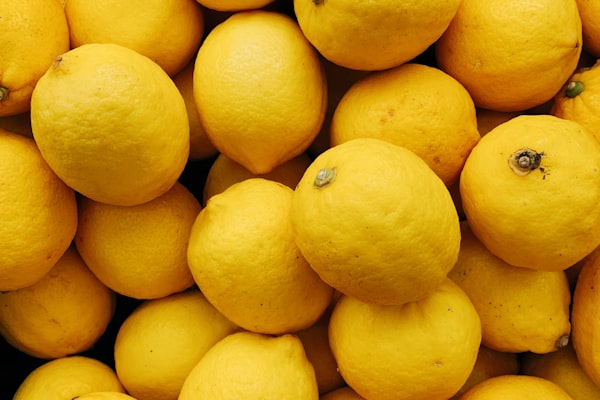
| Lemon | juice of 1 lemon (48ml) | 12 |
| Pumpkin | not in our table | 0 |
| Fruit | not in our table | 0 |
Totals for the whole recipe, adding one typical portion per ingredient — listed above. Quantities in the recipe are not counted, so this is a rough guide only — not suitable for medical or dietary planning.
Ingredients
- one pound of roughly pounded loaf sugar
- one gill of lemon juice
- three pounds of sugar used until the pumpkin becomes tender
- one quart of white
- one pound of black cherries
- a pound of granulated sugar
- two recipes
- one sort of fruit as you like
Directions
To each pound of pumpkin allow one pound of roughly pounded loaf sugar, one gill of lemon juice.
Obtain a good, sweet pumpkin; halve it, take out the seeds and pare off the rind; cut it into neat slices. Weigh the pumpkin, put the slices in a pan or deep dish in layers, with the sugar sprinkled between them; pour the lemon juice over the top, and let the whole remain for two or three days. Boil all together, adding half a pint of water to every three pounds of sugar used until the pumpkin becomes tender; then turn the whole into a pan, where let it remain for a week; then drain off the syrup, boil it until it is quite thick, skim, and pour it boiling over the pumpkin. A little bruised ginger and lemon rind, thinly pared, may be boiled in the syrup to flavor the pumpkin.
_A Southern Recipe._
PRESERVING FRUIT. (New Mode.)
Housekeepers who dislike the tedious, old-time fashion of clarifying sugar and boiling the fruit, will appreciate, the following two recipes, no fire being needed in their preparation. The first is for "tutti frutti," and has been repeatedly tested with unvarying success.
Put one quart of white, preserving, fine Batavia brandy into a two-gallon stone jar that has a tightly fitting top. Then for every pound of fruit, in prime condition and perfectly dry, which you put in the brandy, use three-quarters of a pound of granulated sugar; stir every day so that the sugar will be dissolved, using a clean, wooden spoon kept for the purpose. Every sort of fruit may be used, beginning with strawberries and ending with plums. Be sure and have at least one pound of black cherries, as they make the color of the preserve very rich. Strawberries, raspberries, blackberries, apricots, cherries (sweet and sour), peaches, plums, are all used, and, if you like, currants and grapes. Plums and grapes should be peeled and seeded, apricots and peaches peeled and cut in quarters or eighths or dice; cherries also must be seeded; quinces may be steamed until tender. The jar must be kept in a cool, dry place, and the daily stirring must never be forgotten, for that is the secret of success. You may use as much of one sort of fruit as you like, and it may be put in from day to day, just as you happen to have it. Half the quantity of spirits may be used. The preserve will be ready for use within a week after the last fruit is put in, and will keep for a number of months. We have found it good eight months after making.
The second is as follows: Take some pure white vinegar and mix with it granulated sugar until a syrup is formed quite free from acidity. Pour this syrup into earthen jars and put in it good, perfectly ripe fruit, gathered in dry weather. Cover the jars tight and put them in a dry place. The contents will keep for six or eight months, and the flavor of the fruit will be excellent.