The recipe
Ingredients
Directions
Children's clothes, table linens, towels, etc., should be thoroughly examined before wetting, as soap-suds, washing-fluids, etc., will fix almost any stain past removal. Many stains will pass away by being simply washed in pure, soft water; or alcohol will remove, before the article has been in soap-suds, many stains; iron mold, mildew, or almost any similar spot, can be taken out by dipping in diluted citric acid; then cover with salt and lay in the bright sun till the stain disappears. If of long standing, it may be necessary to repeat the wetting and the sunlight. Be careful to rinse in several waters as soon as the stain is no longer visible. Ink, fruit, wine, and mildew stains must first be washed in clear, cold water, removing as much of the spots as can be, then mix one teaspoonful of oxalic acid and a half pint of rain-water. Dip the stain in this and wipe off in clear water. Wash at once, if a fabric that will bear washing. A tablespoonful of white currant juice, if any can be had, is even better than lemon. This preparation may be used on the most delicate articles without injury. Shake it up before using it. Mark it "poison," and put it where it will not be meddled with.
Transcribed from a scanned cookbook and modernised for today's kitchens. Where the book gave no heat or time, or said "a moderate oven", the temperatures and times here may be modern equivalents rather than the book's own figures. See the original page.
Found this recipe through an AI assistant? CompKitchen also shows which ingredients go well together and why, from the aroma molecules they share and how often recipes combine them. Try the pairing tools.
Make it your own
Stand-ins, a drink, and quick taste fixes for this dish, ranked by how well each fits its other ingredients: shared aroma molecules and how often recipes combine them.
You might also like
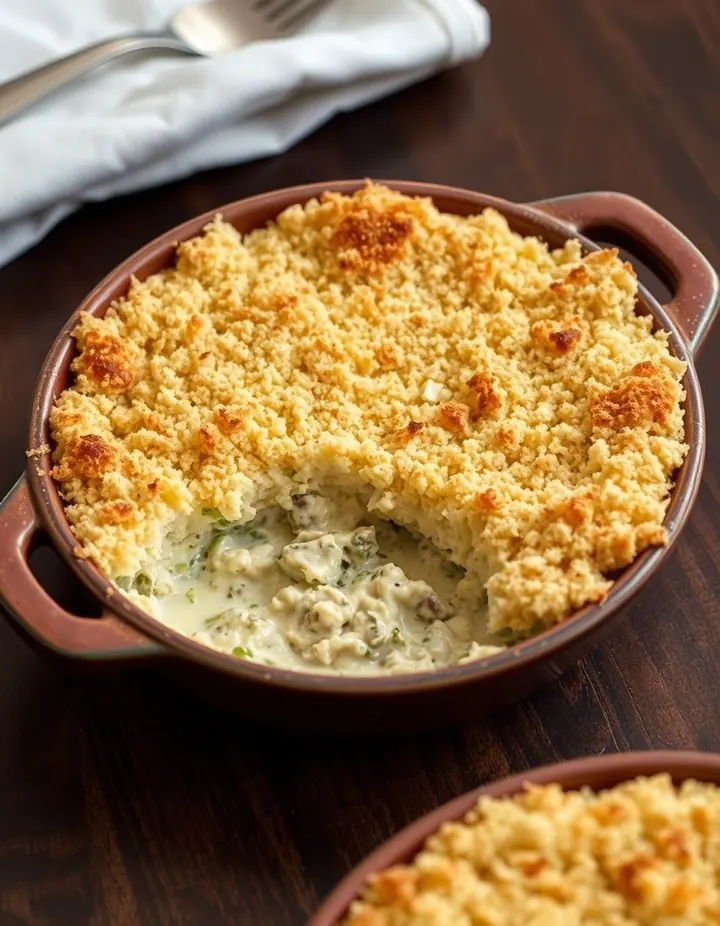 Illustration
The Sunday pairing: one pairing, the chemistry behind it, and how to cook it. No spam, unsubscribe anytime.
Prefer an account? Create a free account for sign-in; Pro adds the full results and chemistry.