Estimated Nutrition (whole recipe, rough)
Counts 10 of 15 ingredients — the other 5 aren't in our nutrition table and contribute nothing above, so the real totals are higher.
What these numbers assume — 10 portions →
| Ingredient | Portion assumed | kcal |
|---|---|---|
| Flour | 1 cup (125g) all-purpose | 455 |
| Cherry | 1 cup (138g) | 87 |
| Egg | 1 large egg (50g) | 78 |
| Raspberry | 1 cup (123g) | 64 |
| Honey | 1 tbsp (21g) | 64 |
| Grape | 1/2 cup (76g) | 62 |
| Cream | 1 tbsp (15ml) heavy | 51 |
| Sugar | 1 tbsp (12.5g) granulated | 49 |
| Wine | 2 tbsp cooking wine (30ml) | 25 |
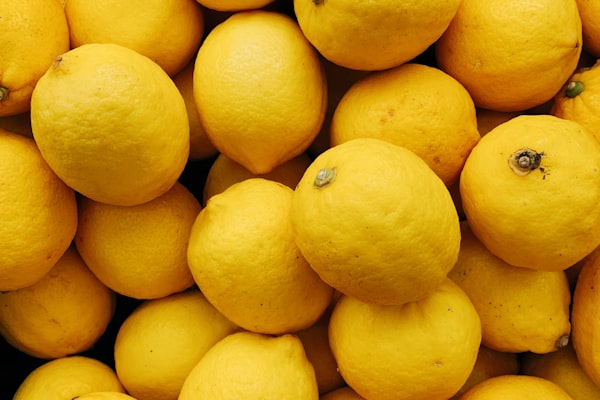
| Lemon | juice of 1 lemon (48ml) | 12 |
| Water | not in our table | 0 |
| Liquor | not in our table | 0 |
| Whiskey | not in our table | 0 |
| Brandy | not in our table | 0 |
| Syrup | not in our table | 0 |
Totals for the whole recipe, adding one typical portion per ingredient — listed above. Quantities in the recipe are not counted, so this is a rough guide only — not suitable for medical or dietary planning.
Ingredients
- three gallons of soft water
- six gallons of gooseberries
- four gallons of ripe currants
- two gallons
- five pounds
- six gallons of wine
- four gallons of ripe raspberries into a stone jar
- four gallons of soft water
- three pounds of loaf-sugar
- two quarts of cold soft water
- four gallons of the liquor add a pint
- one gallon of water
- three pounds of white sugar
- six gallons of the liquor the juice of six lemons
- five pounds of the best raisins
- five pounds of strained honey
- six pounds of ripe morellas
- two gallons of the best double rectified whiskey
- six pounds of fine loaf-sugar
- two quarts of water
- a pound of loaf-sugar
- a pint of white brandy
- an ounce of cream of tartar
- a quart of brandy to six gallons of wine
- a pound of havanna
- an ounce of melted isinglass
- a pound of sugar stirred well
- a pound of sugar to a quart of juice
- a quart of juice
- two eggs
- three raisins in the bottom of each bottle
- two eggs beaten to a stiff froth
- four eggs
- six lemons
- five table-spoonfuls of good yeast stirred in very hard
- six whites of eggs beaten to a stiff froth
- three quarters of an hour
- six pounds of large black heart cherries
- twelve large ripe lemons
- one third lemon syrup
Directions
Allow three gallons of soft water (measured after it has boiled an hour) to six gallons of gooseberries, which must be full ripe. Top and tail the gooseberries; put them, a few at a time, into a wooden dish, and with a rolling-pin or beetle break and mash every one; transferring them, as they are done, into a large stone jar. Pour the boiling water upon the mashed gooseberries; cover the jar, and let them stand twelve hours. Then strain and measure the juice, and to each quart allow three-quarters of a pound of loaf-sugar; mix it with the liquid, and let it stand eight or nine hours to dissolve, stirring it several times.
Then pour it into a keg of proper size for containing it, and let it ferment at the bung-hole; filling it up as it works out with some of the liquor reserved for that purpose. As soon as it ceases to hiss, stop it close with a cloth wrapped round the bung. A pint of white brandy for every gallon of the gooseberry wine may be added on bunging it up. At the end of four or five months it will probably be fine enough to bottle off. It is best to bottle it in cold frosty weather. You may refine it by allowing to every gallon of wine the whites of two eggs, beaten to a froth, with a very small tea-spoonful of salt. When the white of egg, &c. is a stiff froth, take out a quart of the wine, and mix them well together. Then pour it into the cask, and in a few days it will be fine and clear. You may begin to use it any time after it is bottled. Put two or three raisins in the bottom of each bottle. They will tend to keep the wine from any farther fermentation.
Fine gooseberry wine has frequently passed for champagne. Keep the bottles in saw-dust, lying on their sides.
CURRANT WINE.--Take four gallons of ripe currants; strip them from the stalks into a great stone jar that has a cover to it, and mash them with a long thick stick. Let them stand twenty-four hours; then put the currants into a large linen bag; wash out the jar, set it under the bag, and squeeze the juice into it. Boil together two gallons and a half of water, and five pounds and a half of the best loaf-sugar, skimming it well. When the scum ceases to rise, mix the syrup with the currant juice. Let it stand a fortnight or three weeks to settle; and then transfer it to another vessel, taking care not to disturb the lees or dregs. If it is not quite clear and bright, refine it by mixing with a quart of the wine, (taken out for the purpose,) the whites of two eggs beaten to a stiff froth, and half an ounce of cream of tartar. Pour this gradually into the vessel. Let it stand ten days, and then bottle it off. Place the bottles in saw-dust, laying them on their sides. Take care that the saw-dust is not from pine wood. The wine will be fit to drink in a year, but is better when three or four years old.
You may add a little brandy to it when you make it; allowing a quart of brandy to six gallons of wine.
RASPBERRY WINE.--Put four gallons of ripe raspberries into a stone jar, and mash them with a round stick. Take four gallons of soft water, (measured after it has boiled an hour,) and strain it warm over the raspberries. Stir it well and let it stand twelve hours. Then strain it through a bag, and to every gallon of liquor put three pounds of loaf-sugar. Set it over a clear fire, and boil and skim it till the scum ceases to rise. When it is cold bottle it. Open the bottles every day for a fortnight, closing them again in a few minutes. Then seal the corks, and lay the bottles on their sides in saw-dust, which must not be from pine wood.
ELDERBERRY WINE.--Gather the elderberries when quite ripe; put them into a stone jar, mash them with a round stick, and set them in a warm oven, or in a large kettle of boiling water till the jar is hot through, and the berries begin to simmer. Then take them out, and press and strain them through a sieve. To every quart of juice allow a pound of Havanna or Lisbon sugar, and two quarts of cold soft water. Put the sugar into a large kettle, pour the juice over it, and, when it has dissolved, stir in the water. Set the kettle over the fire, and boil and skim it till the scum ceases to rise. To four gallons of the liquor add a pint and a half of brandy. Put it into a keg, and let it stand with the bung put in loosely for four or five days, by which time it will have ceased to ferment. Then stop it closely, plastering the bung with clay. At the end of six months, draw off a little of it; and if it is not quite clear and bright, refine it with the whites and shells of three or four eggs, beaten to a stiff froth and stirred into a quart of the wine, taken out for the purpose and then returned to the cask; or you may refine it with an ounce or more of dissolved isinglass. Let it stand a week or two, and then bottle it.
This is an excellent domestic wine, very common in England, and deserving to be better known in America, where the elderberry tree is found in great abundance. Elderberry wine is generally taken mulled with spice, and warm.
ELDER FLOWER WINE.--Take the flowers or blossoms of the elder tree, and strip them from the stalks. To every quart of flowers allow one gallon of water, and three pounds of white sugar. Boil and skim the sugar and water, and then pour it hot on the flowers. When cool, mix in with it some lemon juice and some yeast; allowing to six gallons of the liquor the juice of six lemons, and four or five table-spoonfuls of good yeast stirred in very hard. Let it ferment for three days in a tub covered with a double blanket. Then strain the wine through a sieve, (add six whites of eggs beaten to a stiff froth, or an ounce of melted isinglass,) and put it into a cask, in the bottom of which you have laid four or five pounds of the best raisins, stoned. Stop the cask closely, and in six months the wine will be fit to bottle. It will much resemble Frontiniac, the elder flowers imparting to it a very pleasant taste.
CIDER WINE.--Take sweet cider immediately from the press. Strain it through a flannel bag into a tub, and stir into it as much honey as will make it strong enough to bear up an egg. Then boil and skim it, and when the scum ceases to rise, strain it again. When cool, put it into a cask, and set it in a cool cellar till spring. Then bottle it off; and when ripe, it will be found a very pleasant beverage. The cider must be of the very best quality, made entirely from good sound apples.
MEAD.--To every gallon of water put five pounds of strained honey, (the water must be hot when you add the honey,) and boil it three quarters of an hour, skimming it well. Then put in some hops tied in a thin bag, (allowing an ounce or a handful to each gallon,) and let it boil half an hour longer. Strain it into a tub, and let it stand four days. Then put it into a cask, (or into a demijohn if the quantity is small,) adding for each gallon of mead a jill of brandy and a sliced lemon. If a large cask, do not bottle it till it has stood a year.
FOX GRAPE SHRUB.--Gather the grapes when they are full grown, but before they begin to purple. Pick from the stems a sufficient quantity to nearly fill a large preserving kettle, and pour on them as much boiling water as the kettle will hold. Set it over a brisk fire, and keep it scalding hot till all the grapes have burst. Then take them off, press out and strain the liquor, and allow to each quart a pound of sugar stirred well in. Dissolve the sugar in the juice; then put them together into a clean kettle, and boil and skim them for ten minutes, or till the scum ceases to rise. When cold, bottle it; first putting into each bottle a jill of brandy. Seal the bottles, and keep them in a warm closet.
You may make gooseberry shrub in this manner.
CURRANT SHRUB.--Your currants must be quite ripe. Pick them from the stalks, and squeeze them through a linen bag. To each quart of juice allow a pound of loaf-sugar. Put the sugar and juice into a preserving kettle, and let it melt before it goes on the fire. Boil it ten minutes, skimming it well. When cold, add a jill of the best white brandy to each quart of the juice. Bottle it, and set it away for use; sealing the corks. It improves by keeping.
Raspberry shrub may be made in this manner; also strawberry.
CHERRY SHRUB.--Pick from the stalks, and stone a sufficient quantity of ripe morellas, or other red cherries of the best and most juicy description. Put them with all their juice into a stone jar, and set it, closely covered, into a deep kettle of boiling water. Keep it boiling hard for a quarter of an hour. Then pour the cherries into a bag, and strain and press out all the juice. Allow a pound of sugar to a quart of juice, boil them together ten minutes in a preserving kettle, skimming them well, and when cold, bottle the liquid; first putting a jill of brandy into each bottle.
CHERRY BOUNCE.--Mix together six pounds of ripe morellas and six pounds of large black heart cherries. Put them into a wooden bowl or tub, and with a pestle or mallet mash them so as to crack all the stones. Mix with the cherries three pounds of loaf-sugar, or of sugar candy broken up, and put them into a demijohn, or into a large stone jar. Pour on two gallons of the best double rectified whiskey. Stop the vessel closely, and let it stand three months, shaking it every day during the first month. At the end of the three months you may strain the liquor and bottle it off. It improves by age.
LEMON SYRUP.--Break up into large pieces six pounds of fine loaf-sugar. Take twelve large ripe lemons, and (without cutting them) grate the yellow rind upon the sugar. Then put the sugar, with the lemon gratings and two quarts of water, into a preserving kettle, and let it dissolve. When it is all melted, boil it till quite thick, skimming it till no more scum rises; it will then be done. Have ready the juice of all the lemons, stir it in, and boil it ten minutes more. Bottle it, and keep it in a cold place.
It makes a delicious drink in summer, in the proportion of one third lemon syrup and two thirds ice water.