Why it works: Ham and onion are a kitchen classic. They rank in the top 9% of all ingredient pairs, and 4,158 recipes mention both. Both carry gamma-nonanolactone, which smells coconut, sweet. The science ↓
The recipe
Ingredients
Contains: milk, wheat, fish (auto-detected from the ingredients and method; we can miss things, so check labels)
Directions
Prepare the ham
Soak the ham overnight and scrub it well in the morning.
Use a narrow, sharp knife to loosen the meat along the bone and withdraw it.
Remove the flat bone from the butt-end of the ham.
Stuff and cook
Fill the cavity with a stuffing of bread crumbs, seasoned with pepper, butter, onion, and Worcestershire sauce.
Pack the stuffing tightly and sew the ham into shape using mosquito-netting.
Cover the ham with cold water mixed with vinegar and cook for 20 minutes per pound after boiling begins.
Leave the ham in the water until lukewarm, then remove it and press it under an inverted dish with a heavy weight for 8 to 10 hours.
Finish and serve
Remove the cloth and skin, then dot the top with black pepper or paprika in a decorative pattern.
Serve surrounded by a garland of asparagus tops, nasturtium flowers, parsley, and marigolds.
Transcribed from a scanned cookbook and modernised for today's kitchens. Where the book gave no heat or time, or said "a moderate oven", the temperatures and times here may be modern equivalents rather than the book's own figures.
Found this recipe through an AI assistant? CompKitchen also shows which ingredients go well together and why, from the aroma molecules they share and how often recipes combine them. Try the pairing tools.
Explore the science
The flavor team
The pairs that carry this dish. Each one is judged two ways: how much aroma chemistry they share, and how many recipes mention both.
-
Ham + oniontop 9% of all pairsAroma overlapmoderateMentioned together4,158 recipes
Shared aroma: gamma-nonanolactone (coconut, sweet).
-
Bread + buttertop 3% of all pairsAroma overlapstrongMentioned together27,145 recipes
Shared aroma: delta-decalactone (sweet, creamy).
-
Ham + breadtop 3% of all pairsAroma overlapstrongMentioned together2,536 recipes
Shared aroma: 2-acetyl-1-pyrroline (popcorn, roasted).
-
Pepper + asparagustop 6% of all pairsAroma overlapstrongMentioned together1,968 recipes
Shared aroma: 2-isopropyl-3-methoxypyrazine (earthy, pea).
-
Onion + asparagustop 6% of all pairsAroma overlapstrongMentioned together1,210 recipes
Shared aroma: 2-isopropyl-3-methoxypyrazine (earthy, pea).
Ranks compare each pair with 20,000 random ingredient pairs on CompKitchen. How we score pairs
What each ingredient does
- Ham
- Provides the meat that is cooked, pressed and sliced for serving.
- Bread crumbs
- Absorb butter and onion flavour in the stuffing and help it hold its shape.
- Butter
- Adds richness and moisture to the bread crumb stuffing.
- Vinegar
- Adds mild acidity to the cooking water, giving a slightly tangy flavour to the ham.
- Onion
- Adds aromatic savoury flavour to the stuffing.
The step that matters
Pressing the ham after cooking. Pressing under a weight for 8 to 10 hours while the ham cools compacts the meat and stuffing so it holds a firm, even shape when sliced. Pressing too lightly or too briefly may leave it loose and crumbly.
Flavor stand-ins for the asparagus
How well each one fits the dish's main ingredients (ham, vinegar, bread, pepper, butter, onion, sauce):
- Capsicumbetter flavor fit
- Tomatobetter flavor fit
- Mustardbetter flavor fit
- Asparagusthe original
Fit is the average pairing score against ham, vinegar, bread, pepper, butter, onion, sauce. Candidates are from the same food group and used in at least 100 recipes. This compares flavor only: it does not check the job the ingredient does in the dish (bulk, moisture, acidity, structure).
“What each ingredient does” and “The step that matters” were written by Claude, an AI, from this recipe’s own method. They are not checked recipe by recipe, so they can be wrong.
Make it your own
Stand-ins, a drink, and quick taste fixes for this dish, ranked by how well each fits its other ingredients: shared aroma molecules and how often recipes combine them.
You might also like
 Illustration
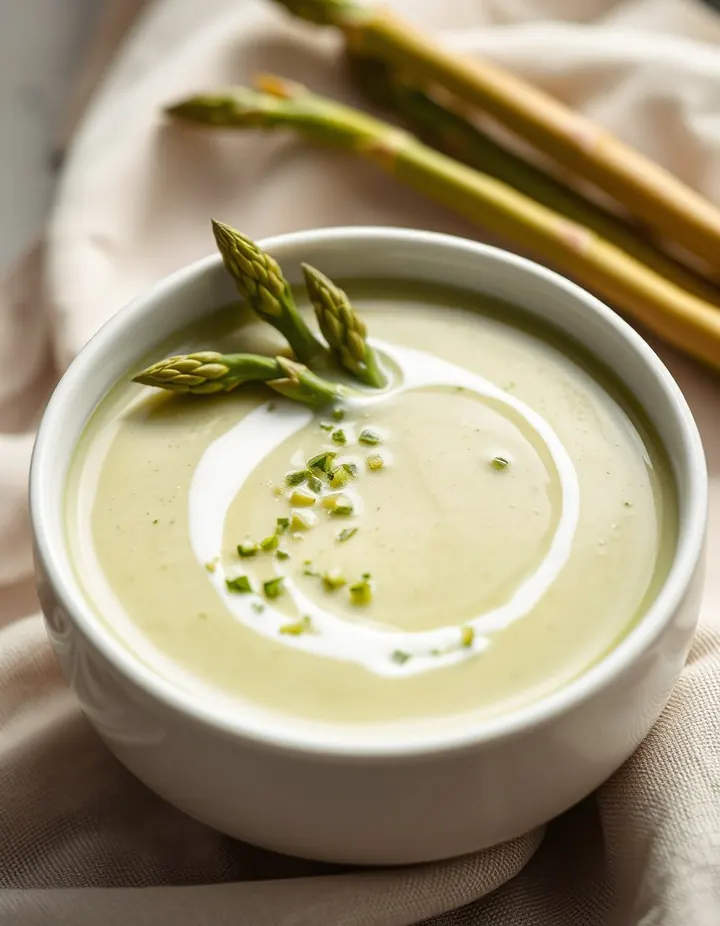 Illustration
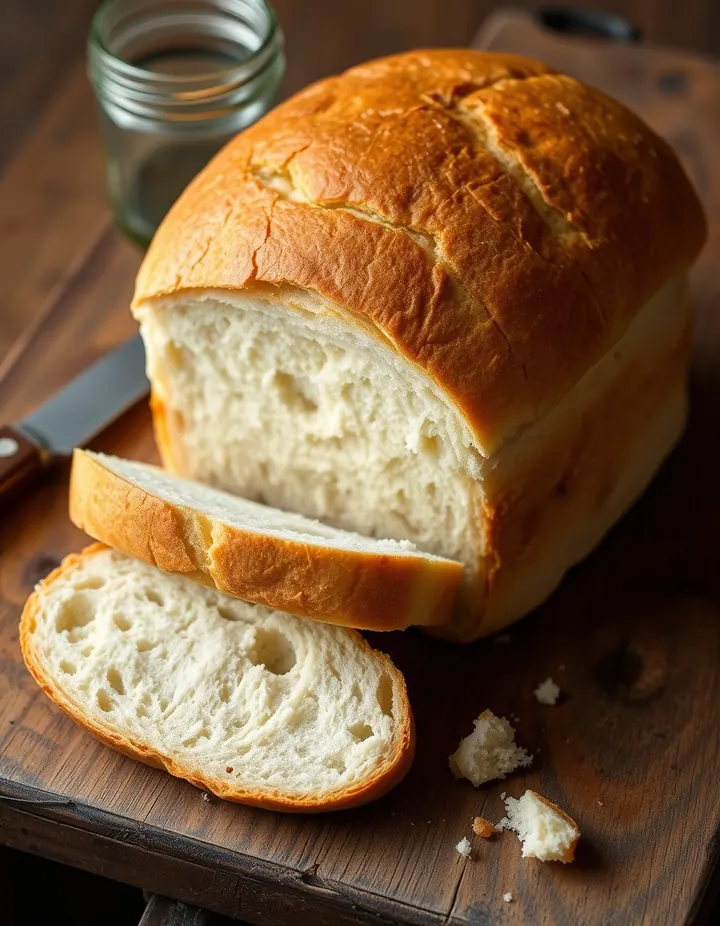 Illustration
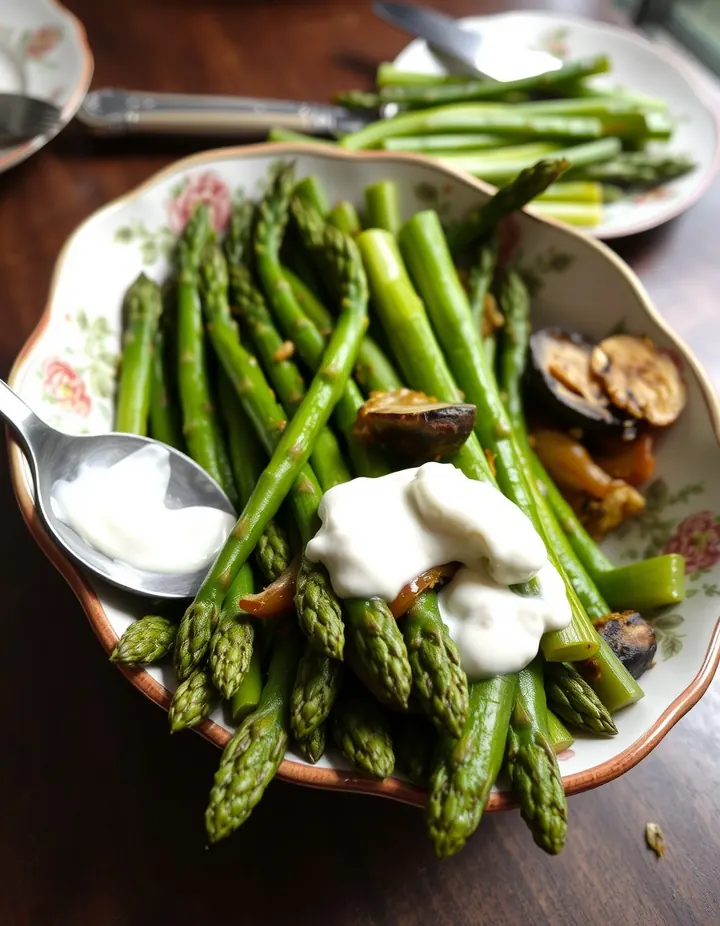 Illustration
The Sunday pairing: one pairing, the chemistry behind it, and how to cook it. No spam, unsubscribe anytime.
Prefer an account? Create a free account for sign-in; Pro adds the full results and chemistry.