
Photo: David Holifield
grandmothers of sils’ apple-yogurt cake
11 ingredients
openrecipes
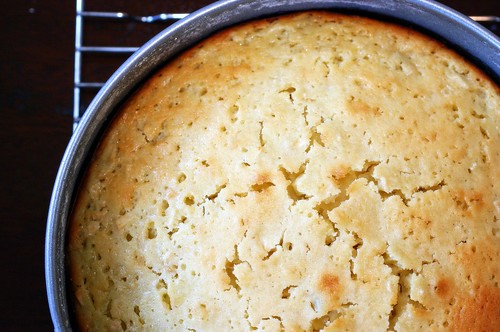
I used to be a fennel/anise/black licorice-hater, too. I say “too” because I know that it’s impossible to bring the flavor up without at least someone in the room saying “ew.” Like beets in anything or nuts in cookies, its presence is a deal breaker for a surprising number of people.
Estimated Nutrition (whole recipe, rough)
1010
Calories
37g
Protein
33g
Fat
143g
Carbs
Counts 8 of 10 ingredients — the other 2 aren't in our nutrition table and contribute nothing above, so the real totals are higher.
What these numbers assume — 8 portions →
| Ingredient | Portion assumed | kcal |
|---|---|---|
| Flour | 1 cup (125g) all-purpose | 455 |
| Olive Oil | 1 tbsp (14g) | 119 |
| Butter | 1 tbsp (14g) | 102 |
| Yogurt | 170g plain Greek | 100 |
| Apple | 1 medium (182g) | 95 |
| Egg | 1 large egg (50g) | 78 |
| Sugar | 1 tbsp (12.5g) granulated | 49 |
| Lemon | juice of 1 lemon (48ml) | 12 |
| Anise | not in our table | 0 |
| Cake | not in our table | 0 |
Totals for the whole recipe, adding one typical portion per ingredient — listed above. Quantities in the recipe are not counted, so this is a rough guide only — not suitable for medical or dietary planning.
Ingredients
- Unsalted butter, for greasing the pan
- 2 1/4 cups all-purpose flour, plus more for dusting the pan
- 1 1/4 teaspoons baking powder
- 4 large eggs
- 1 1/4 cups granulated sugar
- 1 cup lemon yogurt*
- 1/4 cup anise liqueur, such as Sambuca
- 1/2 cup plus 2 tablespoons light olive oil
- 3 cups finely diced or shredded peeled and cored baking apples, such as Granny Smith or Jonagold, or a combination
- Confectioners’ sugar, for dusting the cake
- Creme fraiche, for serving (optional)
Directions
Step-by-step directions aren't available for this recipe in our database.
View the full recipe at the original source →
By smittenkitchen ·
Recipe sourced from
openrecipes