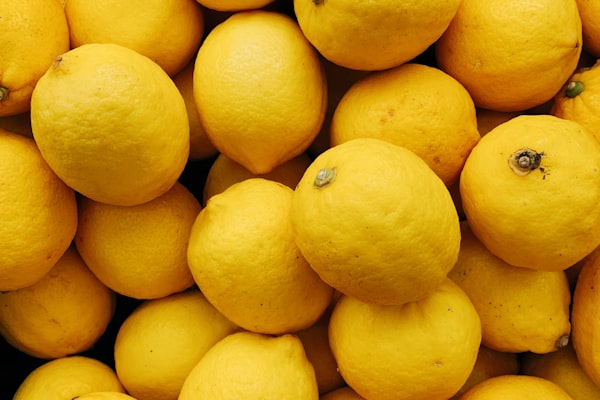
Photo: Ernest Porzi
The nicest tray-baked lemon sole
13 ingredients
4
openrecipes

This recipe can be applied to any size of flat fish. Out of all the soles, lemon sole is the most widely available and generally good value for money. This method of cooking is really quick and easy and I would recommend serving the whole tray at the table with a big bowl of new potatoes, a mixed salad and some crisp white wine.
Estimated Nutrition (whole recipe, rough)
320
Calories
6g
Protein
15g
Fat
49g
Carbs
What these numbers assume — 14 portions →
| Ingredient | Portion assumed | kcal |
|---|---|---|
| Olive Oil | 1 tbsp (14g) | 119 |
| Cherry | 1 cup (138g) | 87 |
| Onion | 1 medium (110g) | 44 |
| Tomato | 1 medium (123g) | 22 |
| Lemon Sole | juice of 1 lemon (48ml) | 12 |
| Lemon | juice of 1 lemon (48ml) | 12 |
| Black Pepper | 1 tsp ground (2.3g) | 6 |
| Oregano | 1 tsp dried (1.8g) | 5 |
| Garlic | 1 clove (3g) | 4 |
| Olive | 1 large (4g) | 4 |
| Vinegar | 1 tbsp (15ml) distilled | 3 |
| Basil | 5 leaves fresh (2.5g) | 1 |
| Parsley | 1 tbsp chopped fresh (3.8g) | 1 |
| Salt | 1 tsp (6g) | 0 |
Totals for the whole recipe, adding one typical portion per ingredient — listed above. Quantities in the recipe are not counted, so this is a rough guide only — not suitable for medical or dietary planning.
Ingredients
- 4 whole lemon soles, from
- , ask your fishmonger
- 2 handfuls red and yellow cherry tomatoes, halved
- 4 cloves garlic, peeled and finely sliced
- 1 handful fresh oregano or basil, leaves picked
- 1 bunch spring onions, trimmed and finely sliced
- 1 tablespoon balsamic vinegar
- sea salt
- freshly ground black pepper
- zest of halved 2 lemons
- extra virgin olive oil
- 1 handful black olives, destoned and chopped
- 1 handful fresh flat-leaf parsley, finely chopped
Directions
Step-by-step directions aren't available for this recipe in our database.
View the full recipe at the original source →
By jamieoliver ·
Recipe sourced from
openrecipes