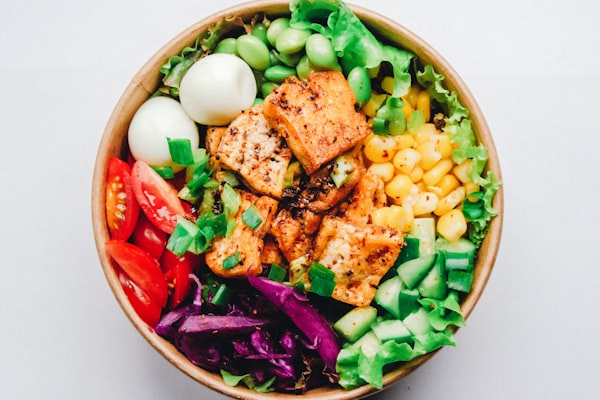
Photo: Lily Banse

Estimated Nutrition (whole recipe, rough)
797
Calories
59g
Protein
46g
Fat
43g
Carbs
Counts 11 of 13 ingredients — the other 2 aren't in our nutrition table and contribute nothing above, so the real totals are higher.
What these numbers assume — 11 portions →
| Ingredient | Portion assumed | kcal |
|---|---|---|
| Coconut | 1/2 cup shredded (40g) | 283 |
| Chicken | 100g cooked | 165 |
| Peanut | 1 oz (28g) | 161 |
| Yogurt | 170g plain Greek | 100 |
| Sugar | 1 tbsp (12.5g) granulated | 49 |
| Apricot | 1 medium (35g) | 17 |
| Lime | juice of 1 lime (44ml) | 11 |
| Black Pepper | 1 tsp ground (2.3g) | 6 |
| Garlic | 1 clove (3g) | 4 |
| Cilantro | 1 tbsp chopped fresh (1g) | 1 |
| Salt | 1 tsp (6g) | 0 |
| Seed | not in our table | 0 |
| Water | not in our table | 0 |
Totals for the whole recipe, adding one typical portion per ingredient — listed above. Quantities in the recipe are not counted, so this is a rough guide only — not suitable for medical or dietary planning.
Ingredients
- 3/4 cup canned light unsweetened coconut milk
- 1/2 cup plain Greek yogurt
- 1/2 cup smooth peanut butter
- 1/4 cup fresh lime juice (about 2 limes)
- 2 teaspoons (packed) light brown sugar
- 2 garlic cloves
- 3/4 teaspoon kosher salt plus more for seasoning
- 1/4 cup (loosely packed) cilantro leaves plus sprigs for garnish
- 2 tablespoons coarsely chopped jalapeño (about 1 large; with seeds for more heat)
- 1 pound skinless, boneless chicken thighs or breasts, cut into twenty-four 1" chunks
- 12 firm ripe small apricots, halved, pitted
- Freshly ground black pepper
- 1/4 cup unsalted, dry-roasted peanuts, coarsely chopped
- Lime wedges
- Twenty-four 6" bamboo skewers (soak in water for 1 hour before using)
Directions
Step-by-step directions aren't available for this recipe in our database.
View the full recipe at the original source →
By epicurious ·
Recipe sourced from
openrecipes