Why it works: Peanut oil and sesame match in chemistry and in kitchens. They rank in the top 2% of all ingredient pairs, and 220 recipes mention both. Both carry acetylpyrazine, which smells roast. The science ↓
The recipe
Ingredients
Contains: peanut, sesame (auto-detected from the ingredients and method; we can miss things, so check labels)
Directions
Prepare
Use young ginger; if mature, use the knobs that grow off the main root.
Peel the ginger and cut it into thin slices, then slice into thin strips about matchstick size.
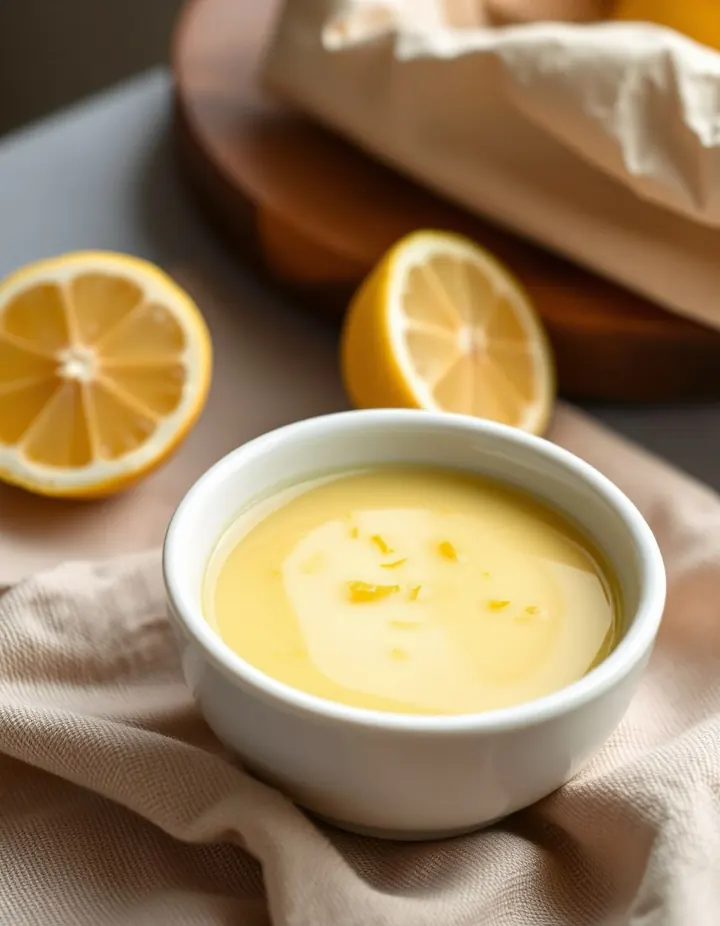
Marinate the sliced ginger in lemon juice for 60 minutes.
Fry and toast
While the ginger marinates, heat peanut and sesame oil and slowly fry sliced garlic.
When the garlic turns slightly golden, remove it from the pan and drain on absorbent paper.
In a dry pan, stir sesame seeds over moderate heat until golden brown.
Transfer toasted sesame seeds to a plate and let cool.
Assemble and serve
Drain the marinated ginger strips.
Place ginger strips in a bowl, add salt, sprinkle with fried garlic and toasted sesame seeds.
Toss lightly and serve.
This recipe comes from the Recipes Wiki on Fandom and is licensed CC BY-SA 4.0. Our formatting and summaries are shared under the same licence.
Steps grouped into stages for easier reading; the method is the source's own.
Found this recipe through an AI assistant? CompKitchen also shows which ingredients go well together and why, from the aroma molecules they share and how often recipes combine them. Try the pairing tools.
Explore the science
The flavor team
The pairs that carry this dish. Each one is judged two ways: how much aroma chemistry they share, and how many recipes mention both.
-
Peanut oil + sesametop 2% of all pairsAroma overlapstrongMentioned together220 recipes
Shared aroma: acetylpyrazine (roast).
-
Ginger + lemontop 3% of all pairsAroma overlapstrongMentioned together5,154 recipes
Shared aroma: beta-phellandrene (minty, terpene).
-
Ginger + sesametop 3% of all pairsAroma overlapmoderateMentioned together1,531 recipes
Shared aroma: nonanal (fat, citrus).
-
Ginger + garlictop 4% of all pairsAroma overlapmoderateMentioned together6,402 recipes
Shared aroma: beta-phellandrene (minty, terpene).
-
Sesame + garlictop 4% of all pairsAroma overlapstrongMentioned together1,999 recipes
Shared aroma: furaneol (caramel, strawberry).
Ranks compare each pair with 20,000 random ingredient pairs on CompKitchen. How we score pairs
What each ingredient does
- Young ginger
- Provides the main crisp, sharp body of the salad, and young ginger is milder and more tender than mature.
- Lemon juice
- Acidity softens the raw ginger during marinating and brightens the overall flavour.
- Garlic
- Frying mellows its sharpness and adds a savoury, aromatic note.
- Sesame seeds
- Toasting browns them, adding nutty aroma and a light crunch.
- Peanut oil
- Carries the garlic's flavour into the frying oil and gives a neutral fat for frying.
The step that matters
Frying the garlic slowly. Garlic burns quickly and turns bitter once it browns too far. Frying it gently over moderate heat and removing it at slight gold keeps it sweet and aromatic, because residual heat keeps darkening it after it leaves the pan.
Flavor stand-ins for the lemon
How well each one fits the dish's main ingredients (ginger, peanut oil, sesame, garlic):
- Limebetter flavor fit
- Coconutbetter flavor fit
- Avocadoabout as good a flavor fit
- Lemonthe original
Fit is the average pairing score against ginger, peanut oil, sesame, garlic. Candidates are from the same food group and used in at least 100 recipes. This compares flavor only: it does not check the job the ingredient does in the dish (bulk, moisture, acidity, structure).
“What each ingredient does” and “The step that matters” were written by Claude, an AI, from this recipe’s own method. They are not checked recipe by recipe, so they can be wrong.
Make it your own
Stand-ins, a drink, and quick taste fixes for this dish, ranked by how well each fits its other ingredients: shared aroma molecules and how often recipes combine them.
You might also like
 Illustration
 Illustration
 Illustration
 Illustration
The Sunday pairing: one pairing, the chemistry behind it, and how to cook it. No spam, unsubscribe anytime.
Prefer an account? Create a free account for sign-in; Pro adds the full results and chemistry.