Why it works: Carrot and parsley match in chemistry and in kitchens. They rank in the top 1% of all ingredient pairs, and 8,053 recipes mention both. Both carry myristicin, which smells spice, warm. The science ↓
The recipe
Ingredients
Contains: egg, wheat, fish (auto-detected from the ingredients and method; we can miss things, so check labels)
- Pastry
- Stuffing
- Sauce
Directions
Bring refrigerated ingredients to room temperature. Combine the flour, eggs or yeast, and salt in a large bowl. Slowly mix in the water to make a thick dough. Knead for a few minutes.
Cover with a clean cloth and rest in a warm place, such as an oven briefly heated then turned off. If using yeast, rest for at least 1 to 2 hours.
While the dough rests, heat the oil in a skillet. Fry the fish and stuffing vegetables until the fish turns opaque. Reduce heat, then add the tomato paste and enough water to keep it moist.
Cover and simmer for half an hour, until the fish flakes easily or reaches 145°F (63°C). Chop the fish into small pieces. Once cooked, taste and adjust the seasoning. Refrigerate the stuffing if not used within 2 hours.
Heat oil in a separate pot. Fry the sauce vegetables, reduce heat, add the tomato paste and water, cover, and simmer 15 to 20 minutes until soft. Adjust seasoning.
Roll the dough about a quarter of an inch (0.6 cm) thick. Cut into hand-sized circles with an inverted bowl, or into squares. Place a spoonful of cooked stuffing in each, fold over, and crimp the edges.
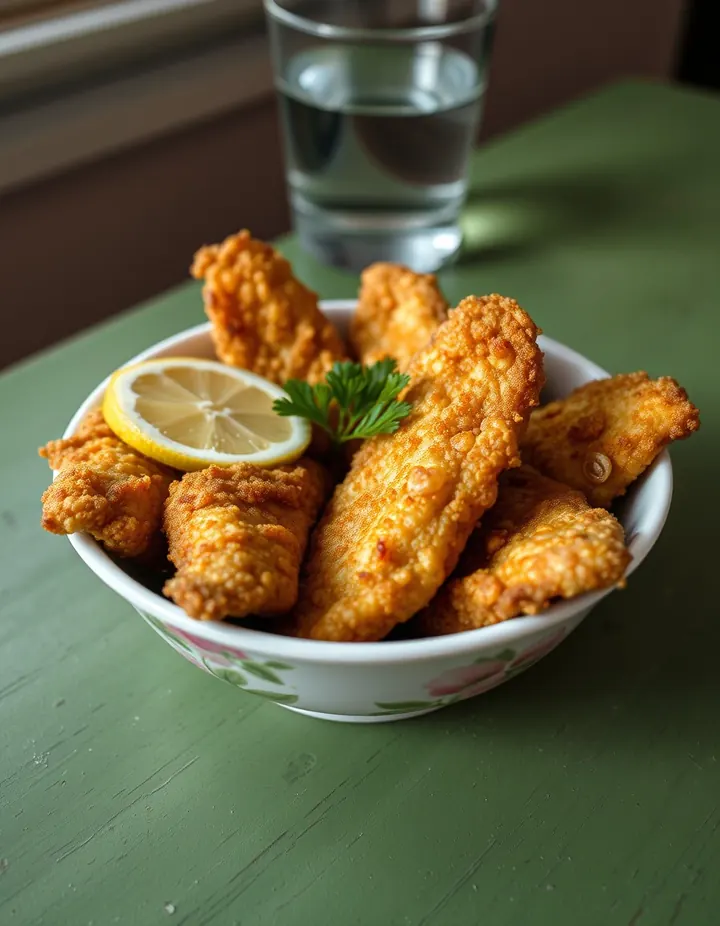
Heat oil to 350°F (175°C) in a skillet with half an inch of oil, or a deep pot with enough oil for the pastels to float. Fry a few at a time, without touching, turning at least once, until golden brown.
Check one by cutting it open: the dough must be cooked through, with the center reaching 165°F (74°C). Drain on paper towels and keep warm in a 200°F (95°C) oven until all are done.
Garnish with leftover parsley and serve warm with the dipping sauce within 2 hours. Refrigerate leftovers within 2 hours and eat within 3 to 4 days.
Original method from the source (8 steps)
All pastry ingredients should be allowed to come to room temperature if they have been in the refrigerator. In a large mixing bowl combine the flour, eggs or yeast, and salt. Slowly mix in the water so as to make a thick dough. Knead for a few minutes. Cover with a clean cloth and set aside in a warm place (like the oven, briefly heated then turned off) to rest. If using yeast, the dough should rest for at least an hour or two.
While the dough is resting: Heat oil in a skillet. Fry the fish and vegetables ingredients for stuffing. Reduce heat. Add tomato paste and enough water to keep the mixture moist, cover, and simmer for half an hour. Adjust seasoning. Chop fish into small pieces.
Heat oil in a separate pot. Fry the vegetable ingredients for sauce. Reduce heat. Add tomato paste and water, cover, and simmer. Adjust seasoning.
Roll the dough into a sheet about a quarter of an inch (0.6 centimeter) thick. Cut the dough into pieces, each about the size of your hand. (An inverted bowl can be used to cut circles, or you cut them into squares.) Place a spoonful of the stuffing mixture in the center of each piece of dough, fold the dough over the stuffing, and crimp the edges together.
Fry the pastels in hot oil. Use a skillet with an half inch of oil, or a pot with enough oil to allow the pastels to float. Fry the pastels until they are golden brown, turning them at least once. Fry only a few at a time, not letting them touch each other while frying. When each batch is done, place the pastels on a paper towel, and place in a warm oven until all are done.
Garnish with a little left over parsley. Serve with a bowl filled with the warm dipping sauce.
Category:Senegalese Recipes
Category:Senegalese Snacks
This recipe comes from the Recipes Wiki on Fandom and is licensed CC BY-SA 4.0. Our formatting, summaries and food-safety edits to the method are shared under the same licence.
The method has been edited by AI to follow current food-safety guidance (safe cooking temperatures, refrigeration, no raw-egg shortcuts). It hasn't been kitchen-tested. The source's original method is under the method.
Found this recipe through an AI assistant? CompKitchen also shows which ingredients go well together and why, from the aroma molecules they share and how often recipes combine them. Try the pairing tools.
Explore the science
The flavor team
The pairs that carry this dish. Each one is judged two ways: how much aroma chemistry they share, and how many recipes mention both.
-
Carrot + parsleytop 1% of all pairsAroma overlapstrongMentioned together8,053 recipes
Shared aroma: myristicin (spice, warm).
-
Onion + garlictop 1% of all pairsAroma overlapstrongMentioned together29,030 recipes
Shared aroma: furaneol (caramel, strawberry).
-
Garlic + parsleytop 4% of all pairsAroma overlapmoderateMentioned together9,294 recipes
Shared aroma: beta-phellandrene (minty, terpene).
-
Onion + carrottop 4% of all pairsAroma overlapstrongMentioned together21,599 recipes
Shared aroma: 2-isopropyl-3-methoxypyrazine (earthy, pea).
-
Wheat + carrottop 5% of all pairsAroma overlapstrongMentioned together230 recipes
Shared aroma: 2-nonenal (fatty, green).
Ranks compare each pair with 20,000 random ingredient pairs on CompKitchen. How we score pairs
Flavor stand-ins for the onion
The recipe marks onion as optional. How well each one fits the dish's main ingredients (flour, wheat, egg, fish, carrot, garlic, parsley):
- Potatobetter flavor fit
- Spinachbetter flavor fit
- Tomatobetter flavor fit
- Onionthe original
Fit is the average pairing score against flour, wheat, egg, fish, carrot, garlic, parsley. Candidates are from the same food group and used in at least 100 recipes. This compares flavor only: it does not check the job the ingredient does in the dish (bulk, moisture, acidity, structure).
Make it your own
Stand-ins, a drink, and quick taste fixes for this dish, ranked by how well each fits its other ingredients: shared aroma molecules and how often recipes combine them.
You might also like
 Illustration
 Illustration
 Illustration
 Illustration
The Sunday pairing: one pairing, the chemistry behind it, and how to cook it. No spam, unsubscribe anytime.
Prefer an account? Create a free account for sign-in; Pro adds the full results and chemistry.