The recipe
Ingredients
Contains: tree nuts (auto-detected from the ingredients and method; we can miss things, so check labels)
Directions
Extract the pulp
Bring two or three cups of water to a boil in a saucepan.
Place the palm nuts in the boiling water (they do not need to be covered by the water).
Cover and cook the palm nuts for a few minutes, until the skins begin to come off.
Drain the water from the pan.
Use a potato masher (or a mortar and pestle) to crush the palm nuts into a pulp.
Combine the palm nut pulp with one to two quarts (or liters) of cold water. Stir.
Squeeze the palm nuts with your hands to remove all the fruit and oil from the palm nuts.
Press the pulp through a strainer into the saucepan (rinse it first).
Discard the nut skins and kernels that remain in the strainer.
Cook the sauce
Heat the pulp to a low boil, stir often, and cook until the sauce is thickened (maybe an hour).
Once the sauce is heated, other ingredients can be added to make the dishes below.
This recipe comes from the Recipes Wiki on Fandom and is licensed CC BY-SA 4.0. Our formatting and summaries are shared under the same licence.
Steps grouped into stages for easier reading; the method is the source's own.
Found this recipe through an AI assistant? CompKitchen also shows which ingredients go well together and why, from the aroma molecules they share and how often recipes combine them. Try the pairing tools.
Explore the science
What each ingredient does
- Palm nuts
- Provide the fruit and oil that give the soup its colour, richness and body.
The step that matters
Heating the pulp to a low boil. Stirring often and keeping the heat gentle prevents the thickening pulp from scorching on the bottom of the pan, while the sustained cooking lets the sauce reduce and thicken.
“What each ingredient does” and “The step that matters” were written by Claude, an AI, from this recipe’s own method. They are not checked recipe by recipe, so they can be wrong.
Make it your own
Stand-ins, a drink, and quick taste fixes for this dish, ranked by how well each fits its other ingredients: shared aroma molecules and how often recipes combine them.
You might also like
 Illustration
 Illustration
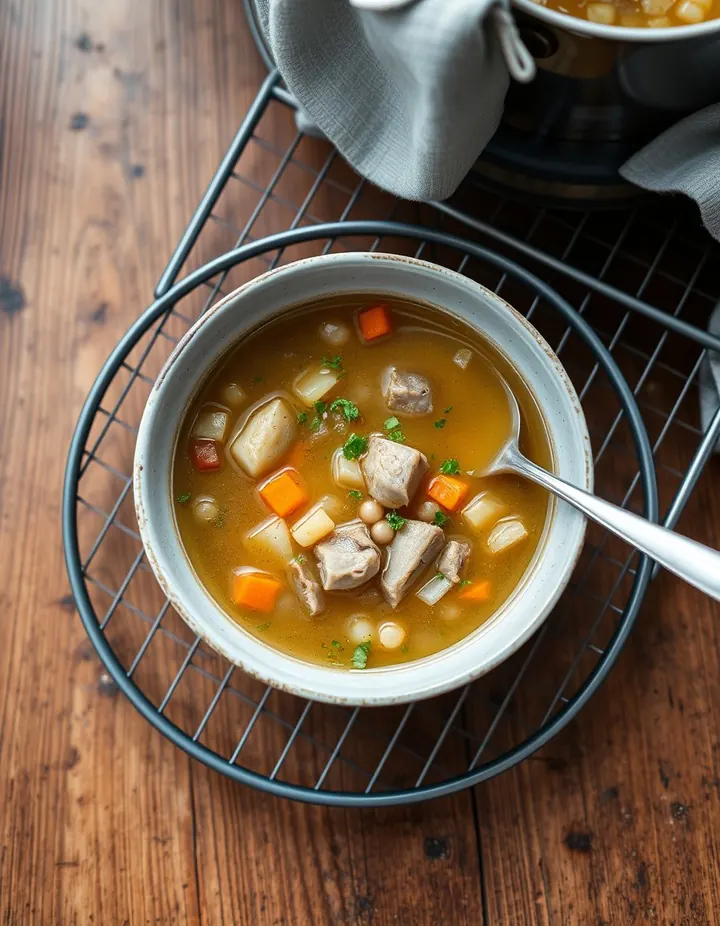 Illustration
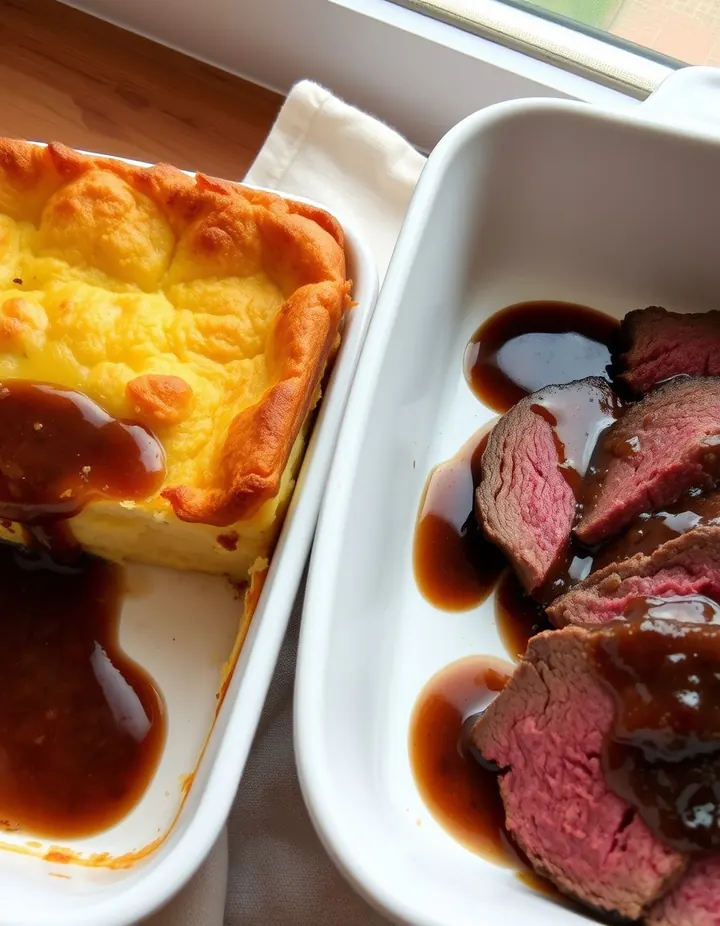 Illustration
The Sunday pairing: one pairing, the chemistry behind it, and how to cook it. No spam, unsubscribe anytime.
Prefer an account? Create a free account for sign-in; Pro adds the full results and chemistry.