Why it works: Cheddar cheese and feta cheese share more aroma than cooks usually use. They rank in the top 1% of all ingredient pairs, and 40 recipes mention both. Both carry ethyl 2-methylbutyrate, which smells fruity, apple. The science ↓
The recipe
Ingredients
Contains: egg, milk, wheat (auto-detected from the ingredients and method; we can miss things, so check labels)
- FILLING
Directions
Make the dough
Make the filling by combining all the filling ingredients in a bowl and set aside.
Sift 1 cup of the flour, baking powder and salt into a large bowl.
Add the yoghurt and stir until combined.
Add the remaining flour and mix until a dough forms.
Lightly flour a board or bench and knead the dough for 5 minutes, adding a little extra flour if the dough is sticky.
Divide the dough into 8 portions.
Cover with a damp tea towel so they don't dry out while you are working.
Shape the breads
Take one piece and, on a lightly floured surface, roll dough out to a 15cm round.
Place 1 tablespoon filling in the centre, then gather the sides and twist the top to seal edges together so the filling is encased in dough.
Gently roll out again to a round shape, then place aside on a baking‑paper lined tray and cover with another tea towel.
Repeat until all of the breads are done.
Cook and serve
Heat a heavy‑bottomed frypan over a medium heat and spray with oil.
Cook breads in batches for 1 minute on each side.
Then place breads in a single layer on 1 or 2 large oven trays and cook at 220°C for 10 minutes or until puffed and golden.
Serve immediately.
This recipe comes from the Recipes Wiki on Fandom and is licensed CC BY-SA 4.0. Our formatting and summaries are shared under the same licence.
Steps grouped into stages for easier reading; the method is the source's own.
Found this recipe through an AI assistant? CompKitchen also shows which ingredients go well together and why, from the aroma molecules they share and how often recipes combine them. Try the pairing tools.
Explore the science
The flavor team
The pairs that carry this dish. Each one is judged two ways: how much aroma chemistry they share, and how many recipes mention both.
-
Cheddar cheese + feta cheesetop 1% of all pairsAroma overlapstrongMentioned together40 recipes
Shared aroma: ethyl 2-methylbutyrate (fruity, apple).
-
Yogurt + cheddar cheesetop 4% of all pairsAroma overlapstrongMentioned together1,032 recipes
Shared aroma: 1-octen-3-ol (mushroom, earthy).
-
Yogurt + minttop 4% of all pairsAroma overlapmoderateMentioned together497 recipes
Shared aroma: 1-octen-3-ol (mushroom, earthy).
-
Feta cheese + minttop 5% of all pairsAroma overlapmoderateMentioned together278 recipes
Shared aroma: myrcene (balsamic, herbaceous).
-
Yogurt + feta cheesetop 5% of all pairsAroma overlapstrongMentioned together148 recipes
Shared aroma: 1-octen-3-ol (mushroom, earthy).
Ranks compare each pair with 20,000 random ingredient pairs on CompKitchen. How we score pairs
What each ingredient does
- Plain flour
- Forms the dough's structure once kneaded with the yogurt and leavening.
- Baking powder
- Releases gas in the dough so the breads puff and rise in the oven.
- Greek yogurt
- Adds moisture and tang, keeping the dough soft and tender.
- Cheddar cheese
- Melts into the filling, adding richness and savoury flavour.
- Feta cheese
- Adds a salty, tangy flavour that contrasts with the milder cheddar.
- Egg
- Binds the filling together and helps the breads brown.
The step that matters
Sealing the filling inside the dough. If the edges are not pinched and twisted firmly, the filling can leak out during rolling and cooking, leaving dry, uneven breads.
Flavor stand-ins for the mint
How well each one fits the dish's main ingredients (flour, yogurt, cheddar cheese, feta cheese, egg):
- Dillbetter flavor fit
- Jalapenobetter flavor fit
- Garlicbetter flavor fit
- Mintthe original
Fit is the average pairing score against flour, yogurt, cheddar cheese, feta cheese, egg. Candidates are from the same food group and used in at least 100 recipes. This compares flavor only: it does not check the job the ingredient does in the dish (bulk, moisture, acidity, structure).
“What each ingredient does” and “The step that matters” were written by Claude, an AI, from this recipe’s own method. They are not checked recipe by recipe, so they can be wrong.
Make it your own
Stand-ins, a drink, and quick taste fixes for this dish, ranked by how well each fits its other ingredients: shared aroma molecules and how often recipes combine them.
You might also like
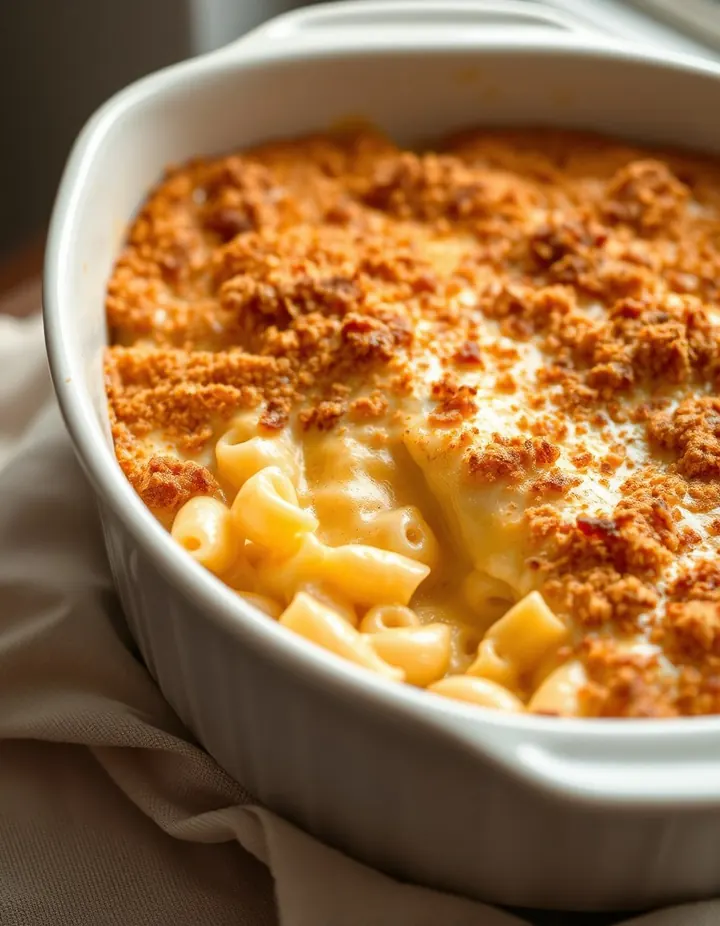 Illustration
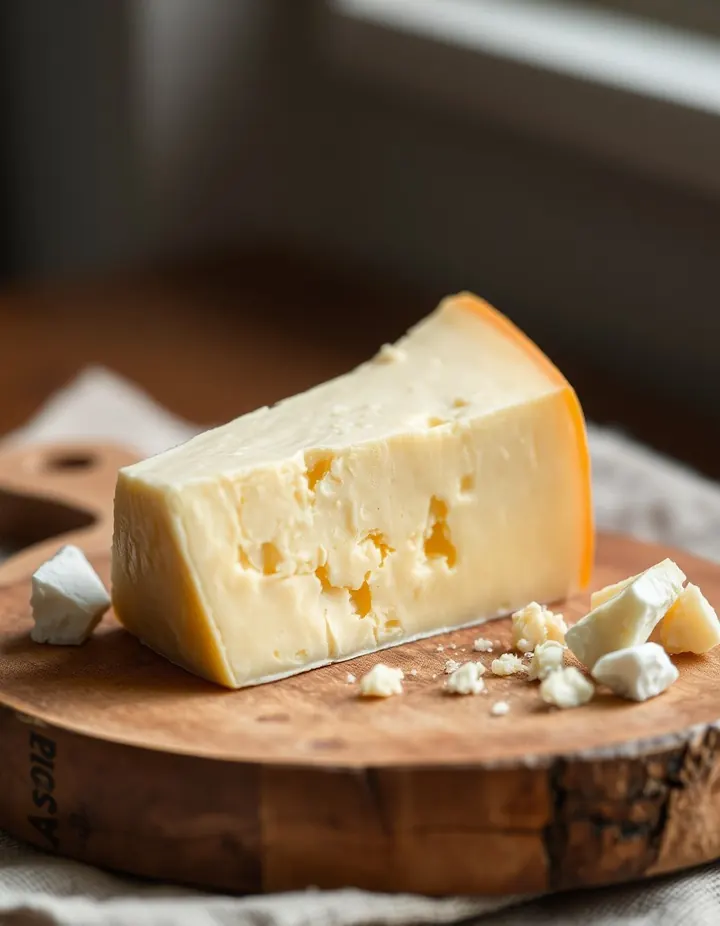 Illustration
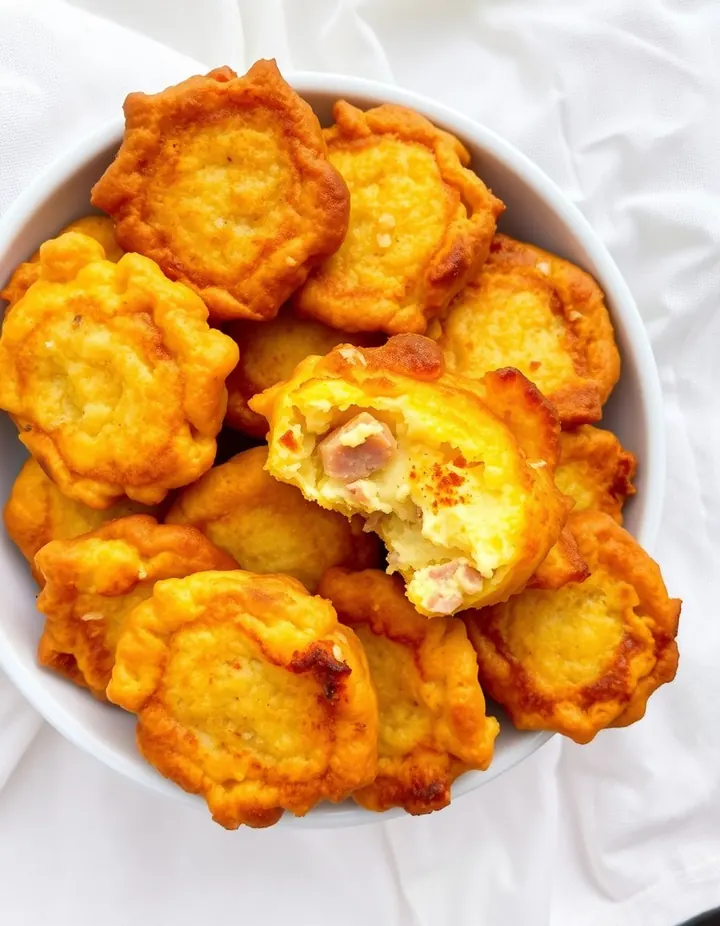 Illustration
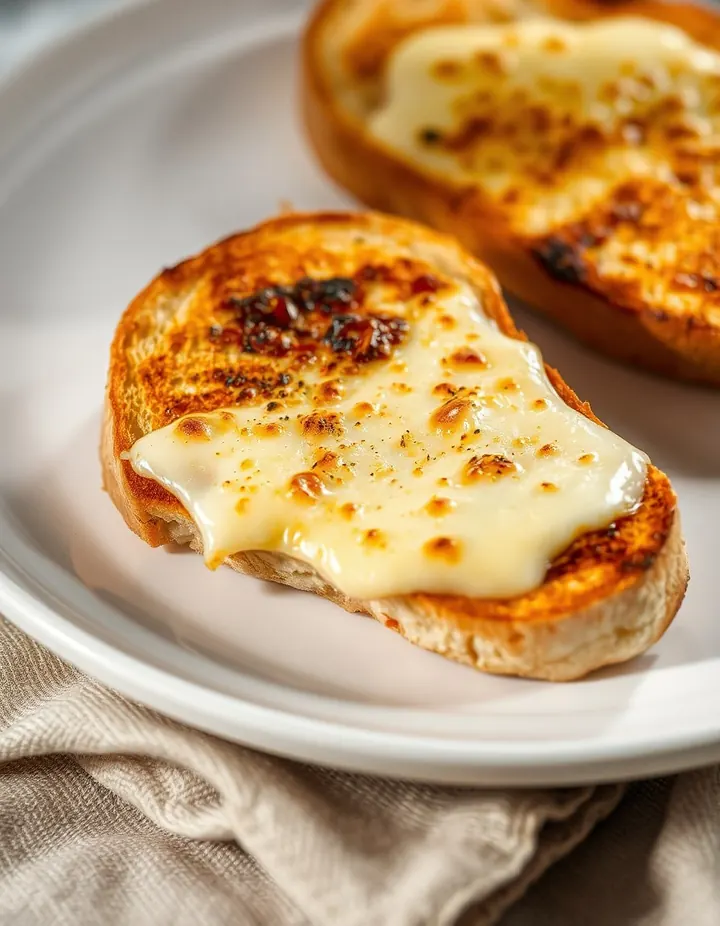 Illustration
The Sunday pairing: one pairing, the chemistry behind it, and how to cook it. No spam, unsubscribe anytime.
Prefer an account? Create a free account for sign-in; Pro adds the full results and chemistry.