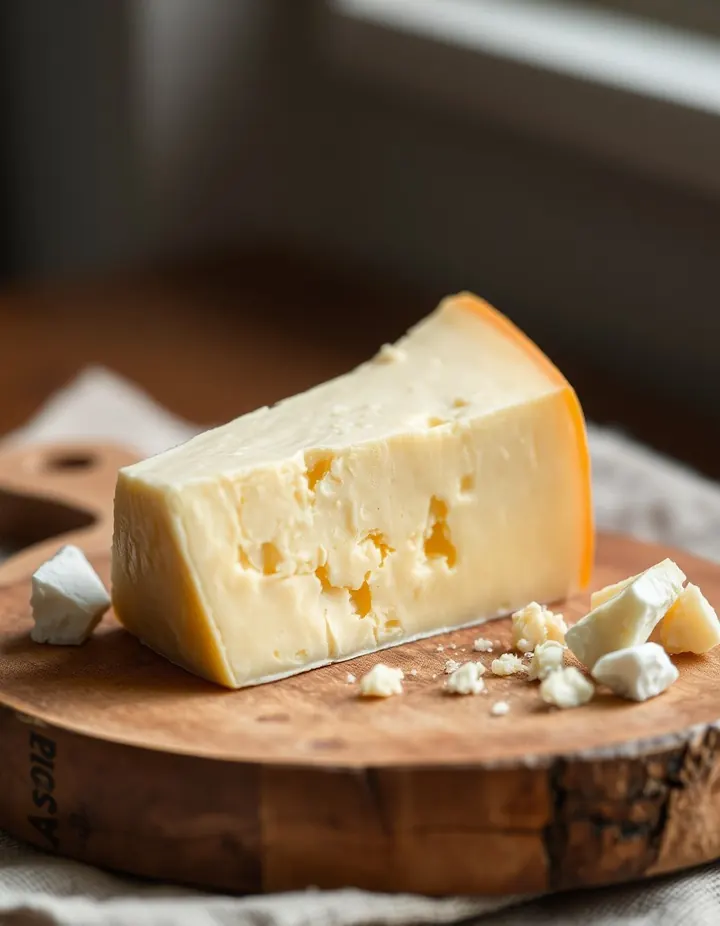
Why it works: Cheese and parmesan cheese match in chemistry and in kitchens. They rank in the top 2% of all ingredient pairs, and 1,040 recipes mention both. Both carry ethyl 2-methylbutyrate, which smells fruity, apple. The science ↓
The recipe
Ingredients
Contains: milk, wheat (auto-detected from the ingredients and method; we can miss things, so check labels)
Directions
Prepare
Preheat oven to 375°F (190°C).
Trim asparagus and cut stalks into 1-inch (2.5 cm) pieces.
In a large pot of boiling water, cook asparagus for 3 minutes (blanch to preserve colour).
Microwave asparagus to tender-crisp stage (optional).
Drain asparagus, refresh under cold water, and drain again.
Remove 1-1/2 cups (375 mL) (1/3 cup/100 mL for small one) asparagus tips and set aside.
Make the sauce
In a saucepan, melt butter over medium heat.
Gradually whisk in flour and cook, whisking, for 1 minute.
Gradually whisk in milk and bring to a boil, whisking.
Reduce heat to medium-low and cook, stirring, for 10 minutes or until thickened.
Remove from heat and stir in cubed goat cheese, lemon rind and juice, salt, pepper and nutmeg until cheese has melted.
Meanwhile, in a large pot of boiling salted water, cook noodles for 6 to 8 minutes or until almost tender.
Drain noodles, cool in cold water, and arrange in a single layer on a damp tea towel (or use no-cook lasagna noodles).
Assemble and bake
Arrange 3 noodles in a single layer in a greased 13- x 9-inch (3 L) glass baking dish.
Spread with 1 cup (250 mL) of the sauce.
Scatter 1/4 of the asparagus over the sauce.
Sprinkle 1/4 of the mozzarella over the asparagus.
Repeat layers 3 more times.
Top with final layer of noodles and sauce, then sprinkle Parmesan over top.
Place pan on a baking sheet and bake for 35 to 40 minutes or until bubbly and top is light golden.
Sprinkle reserved asparagus tips over top.
Bake for 5 minutes or until asparagus is heated through.
Let stand for 10 minutes before serving.
Variations
Substitute 8 oz (250 g) cream cheese, cubed, for goat cheese, and Gruyère cheese for mozzarella. Let stand 15 minutes before serving.
Add slices or strips of prosciutto or other ham to each layer for a more complete meal.
This recipe comes from the Recipes Wiki on Fandom and is licensed CC BY-SA 4.0. Our formatting and summaries are shared under the same licence.
Steps grouped into stages for easier reading; the method is the source's own.
Found this recipe through an AI assistant? CompKitchen also shows which ingredients go well together and why, from the aroma molecules they share and how often recipes combine them. Try the pairing tools.
Explore the science
The flavor team
The pairs that carry this dish. Each one is judged two ways: how much aroma chemistry they share, and how many recipes mention both.
-
Cheese + parmesan cheesetop 2% of all pairsAroma overlapstrongMentioned together1,040 recipes
Shared aroma: ethyl 2-methylbutyrate (fruity, apple).
-
Pasta + parmesan cheesetop 4% of all pairsAroma overlaplowMentioned together1,289 recipes
Shared aroma: nonanal (fat, citrus).
-
Pasta + saucetop 5% of all pairsAroma overlapstrongMentioned together669 recipes
Shared aroma: ethanol (alcoholic, ethereal).
-
Sauce + cheesetop 10% of all pairsAroma overlaplowMentioned together1,985 recipes
Shared aroma: ethanol (alcoholic, ethereal).
-
Pasta + cheesetop 10% of all pairsAroma overlaplowMentioned together551 recipes
Shared aroma: nonanal (fat, citrus).
Ranks compare each pair with 20,000 random ingredient pairs on CompKitchen. How we score pairs
What each ingredient does
- Lasagna noodles
- Form the layered structure that holds the sauce and filling together.
- Asparagus (in the method)
- Adds tender-crisp texture and fresh, grassy flavor between the layers.
- Alfredo pasta sauce
- Supplies creamy moisture that keeps the noodles soft as the dish bakes.
- Shredded italian cheese mix
- Melts into stretchy layers and browns on top for appealing color.
- Parmesan cheese
- Adds salty, savory flavor and helps the top turn golden.
The step that matters
Blanching the asparagus. Three minutes in boiling water, followed by cold water, sets a bright green color and stops cooking. Longer cooking dulls the color and softens the spears, which then turn mushy after baking.
“What each ingredient does” and “The step that matters” were written by Claude, an AI, from this recipe’s own method. They are not checked recipe by recipe, so they can be wrong.
Make it your own
Stand-ins, a drink, and quick taste fixes for this dish, ranked by how well each fits its other ingredients: shared aroma molecules and how often recipes combine them.
You might also like
 Illustration
 Illustration
 Illustration
 Illustration
The Sunday pairing: one pairing, the chemistry behind it, and how to cook it. No spam, unsubscribe anytime.
Prefer an account? Create a free account for sign-in; Pro adds the full results and chemistry.