Why it works: Champagne and lemon work together. They rank in the top 6% of all ingredient pairs, and 358 recipes mention both. Both carry trans-2-hexenal, which smells green, leafy. The science ↓
The recipe
Ingredients
Directions
Pour champagne into a chilled fluted champagne goblet ¾ full.
Pour crème de cassis over the champagne.
Rub lemon peel around the edge of the goblet, add it to the champagne, and serve.
This recipe comes from the Recipes Wiki on Fandom and is licensed CC BY-SA 4.0. Our formatting and summaries are shared under the same licence.
Steps grouped into stages for easier reading; the method is the source's own.
Found this recipe through an AI assistant? CompKitchen also shows which ingredients go well together and why, from the aroma molecules they share and how often recipes combine them. Try the pairing tools.
Explore the science
The flavor team
The pairs that carry this dish. Each one is judged two ways: how much aroma chemistry they share, and how many recipes mention both.
-
Champagne + lemontop 6% of all pairsAroma overlapmoderateMentioned together358 recipes
Shared aroma: trans-2-hexenal (green, leafy).
Ranks compare each pair with 20,000 random ingredient pairs on CompKitchen. How we score pairs
What each ingredient does
- Champagne
- Provides the sparkling base and dry, bright body of the drink.
- Crème de cassis
- Adds sweetness, deep color, and a blackcurrant aroma to the champagne.
The step that matters
Pouring the crème de cassis over the champagne. Pouring the cassis gently over the back of a spoon or slowly down the side of the glass keeps it from sinking straight to the bottom. Pouring too fast disturbs the bubbles and mixes the layers too early, so the drink loses its layered look and some of its fizz.
“What each ingredient does” and “The step that matters” were written by Claude, an AI, from this recipe’s own method. They are not checked recipe by recipe, so they can be wrong.
Make it your own
Stand-ins, a drink, and quick taste fixes for this dish, ranked by how well each fits its other ingredients: shared aroma molecules and how often recipes combine them.
You might also like
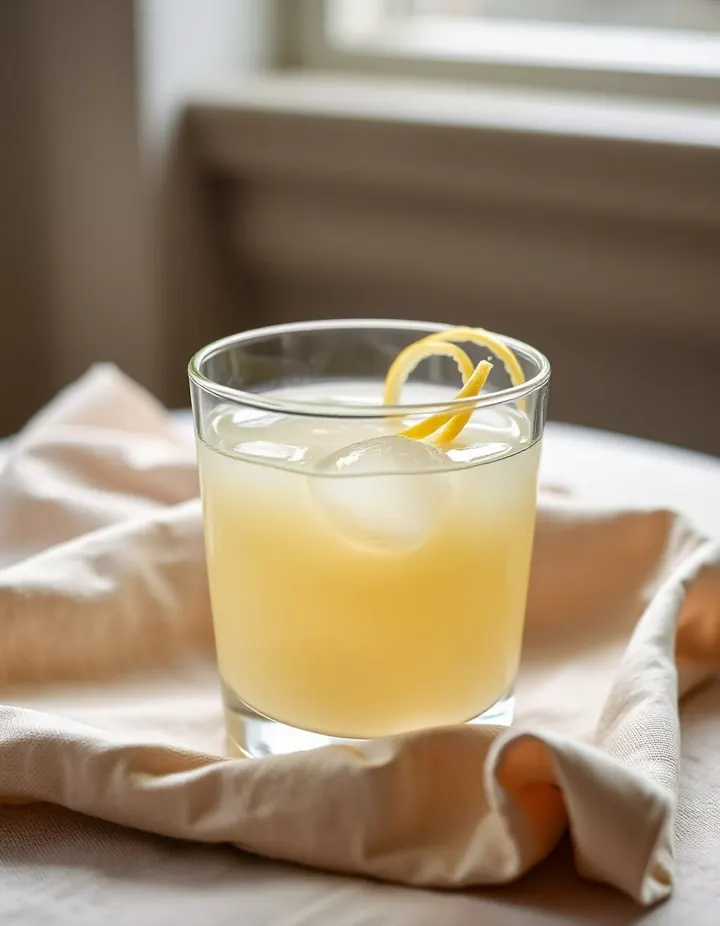 Illustration
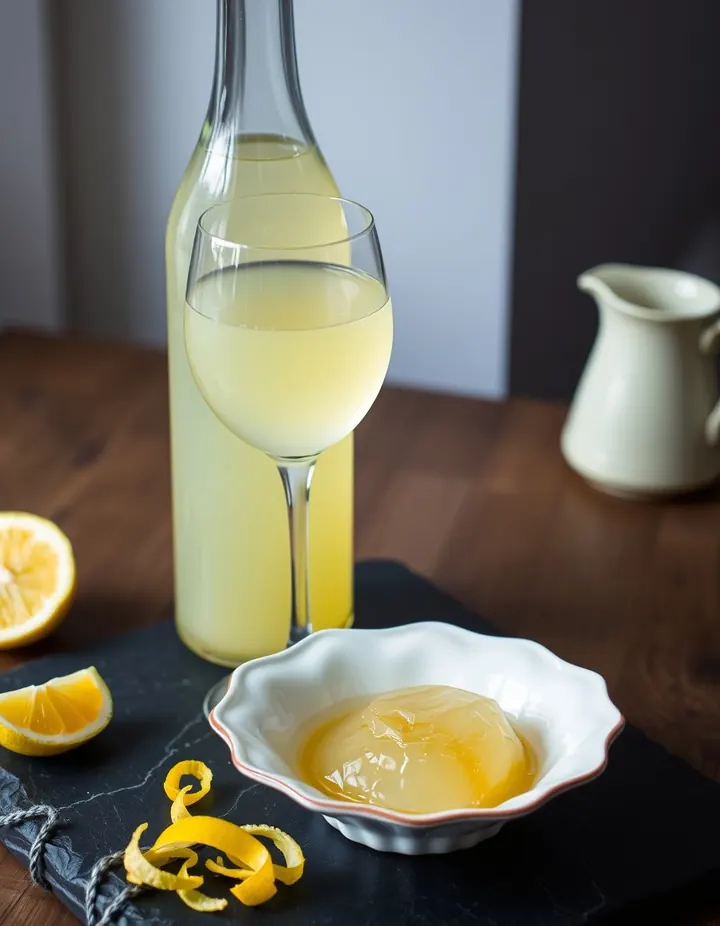 Illustration
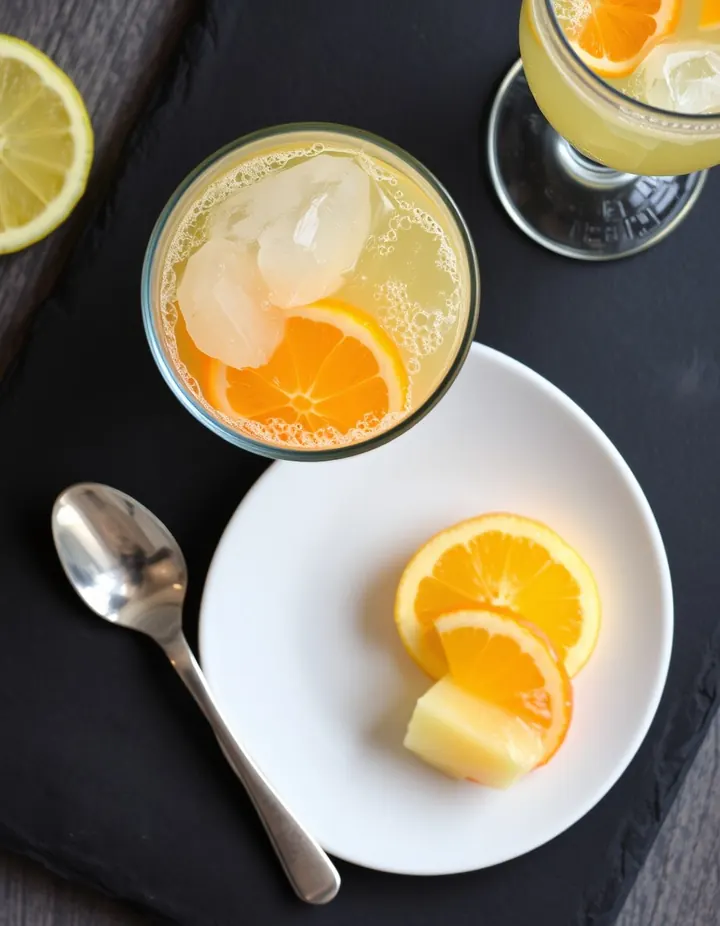 Illustration
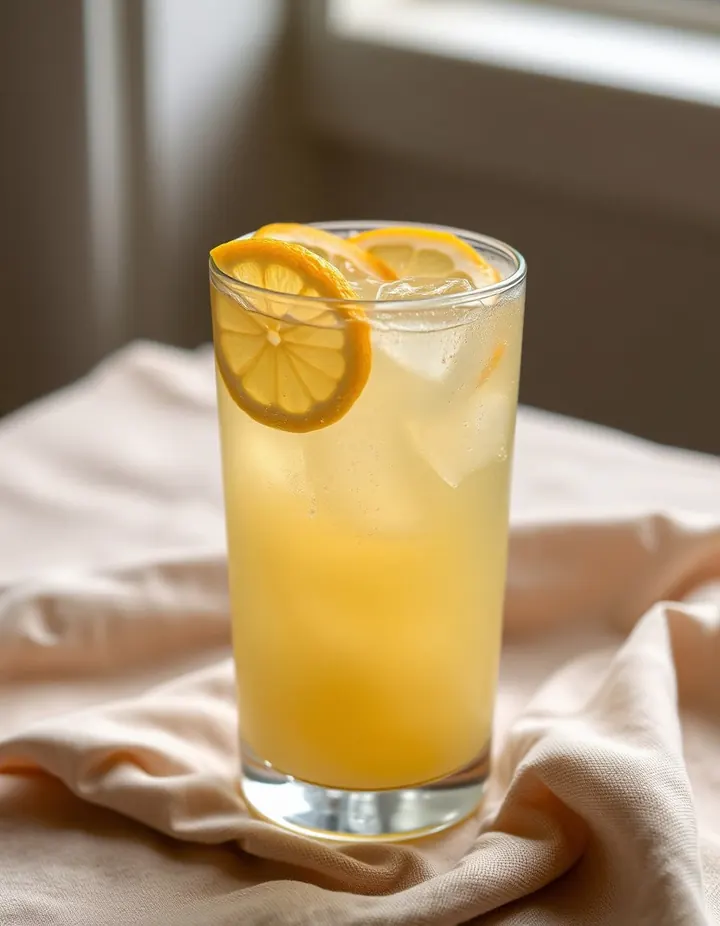 Illustration
The Sunday pairing: one pairing, the chemistry behind it, and how to cook it. No spam, unsubscribe anytime.
Prefer an account? Create a free account for sign-in; Pro adds the full results and chemistry.