Why it works: Milk and butter match in chemistry and in kitchens. They rank in the top 3% of all ingredient pairs, and 81,222 recipes mention both. Both carry (z)-4-heptenal, which smells biscuit, cream. The science ↓
The recipe
Serves 1Ingredients
Contains: egg, milk (auto-detected from the ingredients and method; we can miss things, so check labels)
Directions
Prepare the eggs
In a large bowl, whisk together the eggs, salt, pepper, milk and nutmeg, until even and glossy.
Place half the butter in the skillet on medium heat. Swirl the pan to coat evenly with butter.
Cook the filling
Add ham and cook until deep brown.
Stir in kale for 30 seconds, or until slightly wilted but still crunchy. Set aside the ham and greens.
Add the remainder of the butter to the skillet over low heat.
Make and fold the omelet
Pour egg mixture into the skillet, moving skillet to create a flat, even layer. Heat until the eggs have begun to set, with some fluff on top.
Scatter the ham and kale evenly over the top of the eggs.
Lay the Gruyère slices over the open omelet. Heat until the edges of the cheese have melted slightly.
Gently push the edges of the omelet less than half a centimeter toward the center of the skillet with two spatulas, making sure not to break it. Turn the heat off.
Use the spatulas to lift half the omelet and fold over the other half. Move the entire omelet carefully onto a plate and serve.
Steps grouped into stages for easier reading; the method is the source's own.
Found this recipe through an AI assistant? CompKitchen also shows which ingredients go well together and why, from the aroma molecules they share and how often recipes combine them. Try the pairing tools.
Explore the science
The flavor team
The pairs that carry this dish. Each one is judged two ways: how much aroma chemistry they share, and how many recipes mention both.
-
Milk + buttertop 3% of all pairsAroma overlapstrongMentioned together81,222 recipes
Shared aroma: (z)-4-heptenal (biscuit, cream).
-
Butter + cheesetop 3% of all pairsAroma overlapstrongMentioned together7,955 recipes
Shared aroma: delta-dodecalactone (sweet, creamy).
-
Milk + cheesetop 4% of all pairsAroma overlapstrongMentioned together4,424 recipes
Shared aroma: delta-dodecalactone (sweet, creamy).
-
Pepper + nutmegtop 4% of all pairsAroma overlapstrongMentioned together13,015 recipes
Shared aroma: 4'-methylacetophenone (bitter almond).
-
Ham + cheesetop 7% of all pairsAroma overlapstrongMentioned together303 recipes
Shared aroma: gamma-nonanolactone (coconut, sweet).
Ranks compare each pair with 20,000 random ingredient pairs on CompKitchen. How we score pairs
What each ingredient does
- Eggs
- Set into a flat structure as they heat, forming the body of the omelet.
- Milk
- Adds moisture and softness, keeping the set eggs tender rather than rubbery.
- Butter
- Coats the pan to prevent sticking and adds rich flavour and light browning.
- Ham
- Browns in the pan to add savoury flavour and a chewy texture.
- Gruyère cheese
- Melts slightly over the eggs, adding richness and a binding, savoury flavour.
The step that matters
Cook the eggs gently over moderate heat. Eggs proteins set quickly and toughen when overheated. Gentle heat and moving the pan keep the omelet tender and evenly set, while avoiding browning or breaking.
Flavor stand-ins for the kale
How well each one fits the dish's main ingredients (egg, pepper, milk, nutmeg, butter, ham, cheese):
- Potatobetter flavor fit
- Capsicumbetter flavor fit
- Asparagusbetter flavor fit
- Kalethe original
Fit is the average pairing score against egg, pepper, milk, nutmeg, butter, ham, cheese. Candidates are from the same food group and used in at least 100 recipes. This compares flavor only: it does not check the job the ingredient does in the dish (bulk, moisture, acidity, structure).
“What each ingredient does” and “The step that matters” were written by Claude, an AI, from this recipe’s own method. They are not checked recipe by recipe, so they can be wrong.
Make it your own
Stand-ins, a drink, and quick taste fixes for this dish, ranked by how well each fits its other ingredients: shared aroma molecules and how often recipes combine them.
You might also like
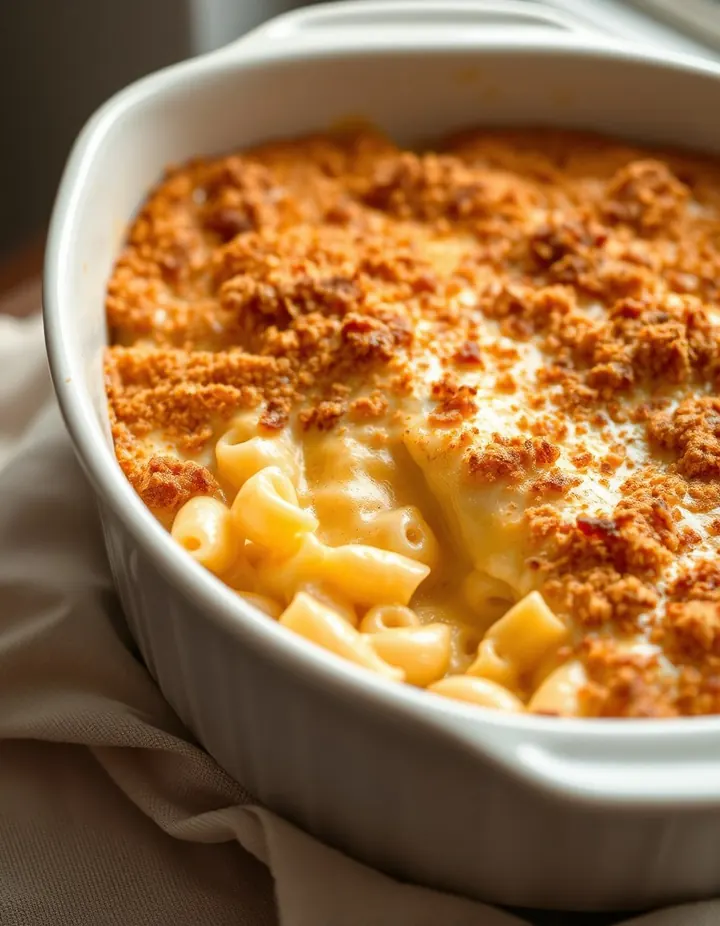 Illustration
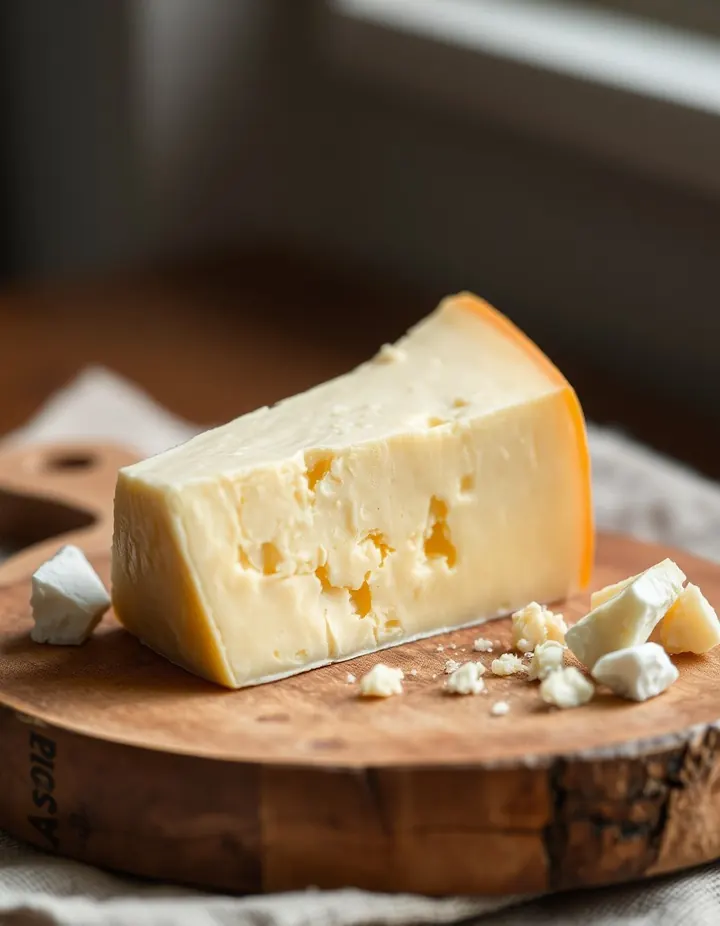 Illustration
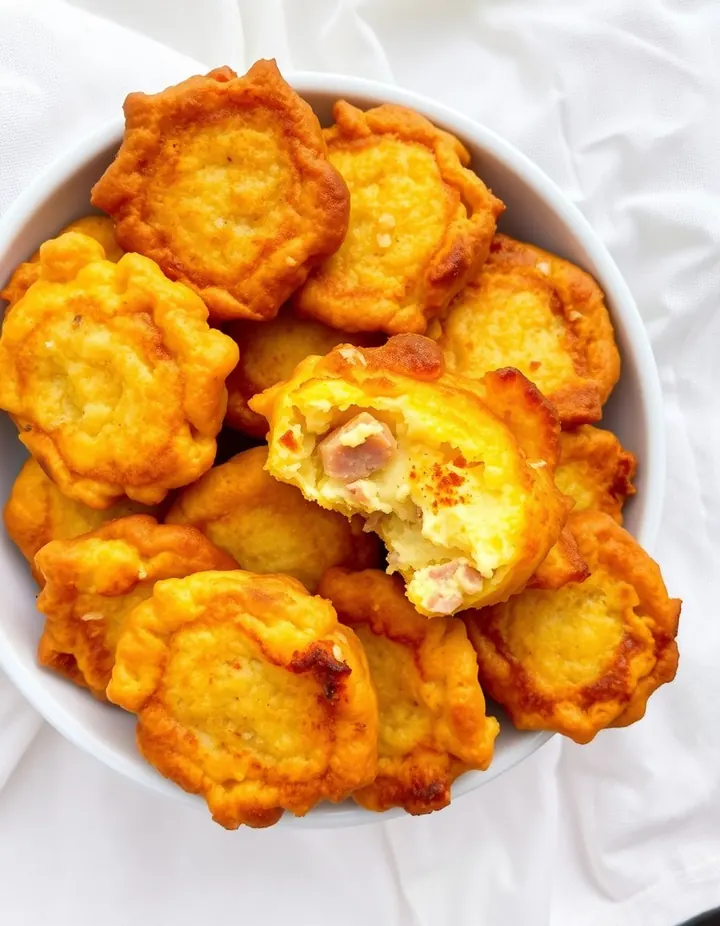 Illustration
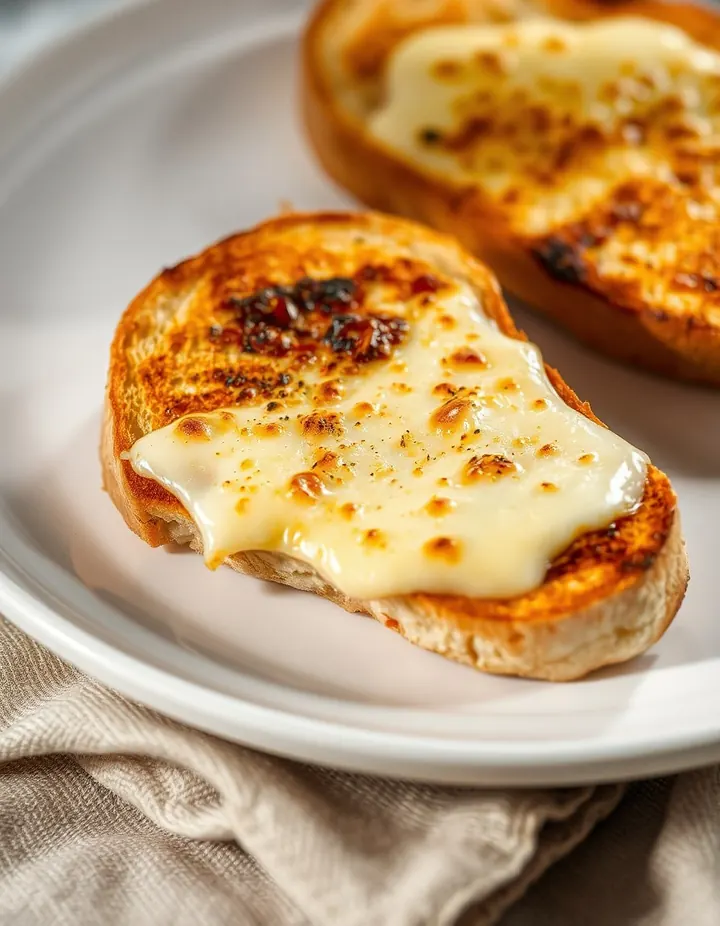 Illustration
The Sunday pairing: one pairing, the chemistry behind it, and how to cook it. No spam, unsubscribe anytime.
Prefer an account? Create a free account for sign-in; Pro adds the full results and chemistry.