Why it works: Milk and lemon match in chemistry and in kitchens. They rank in the top 7% of all ingredient pairs, and 19,048 recipes mention both. Both carry 2-nonenal, which smells fatty, green. The science ↓
The recipe
Serves 4Ingredients
Contains: milk (auto-detected from the ingredients and method; we can miss things, so check labels)
Directions
Make the curds
Bring milk to a boil in a large pan.
Just before the milk starts to boil, add the lemon juice or vinegar to coagulate the milk.
Press and set
Pour the coagulated milk through a cheese cloth to discard most of the water within.
Press the water out firmly and place a weight on top of the paneer.
Allow to rest and harden for 2–3 hours in the refrigerator.
Steps grouped into stages for easier reading; the method is the source's own.
Found this recipe through an AI assistant? CompKitchen also shows which ingredients go well together and why, from the aroma molecules they share and how often recipes combine them. Try the pairing tools.
Explore the science
The flavor team
The pairs that carry this dish. Each one is judged two ways: how much aroma chemistry they share, and how many recipes mention both.
-
Milk + lemontop 7% of all pairsAroma overlapstrongMentioned together19,048 recipes
Shared aroma: 2-nonenal (fatty, green).
Ranks compare each pair with 20,000 random ingredient pairs on CompKitchen. How we score pairs
What each ingredient does
- Milk
- Provides the protein and fat that coagulate into soft, milky curds.
- Lemon juice or vinegar
- Acid causes the milk proteins to coagulate and separate from the whey.
The step that matters
Adding the acid just before the boil. Acid added while the milk is near boiling curdles it evenly. Adding it too early or too late gives weak or grainy curds, so the milk should be removed from heat or stirred gently as the acid goes in.
“What each ingredient does” and “The step that matters” were written by Claude, an AI, from this recipe’s own method. They are not checked recipe by recipe, so they can be wrong.
Make it your own
Stand-ins, a drink, and quick taste fixes for this dish, ranked by how well each fits its other ingredients: shared aroma molecules and how often recipes combine them.
You might also like
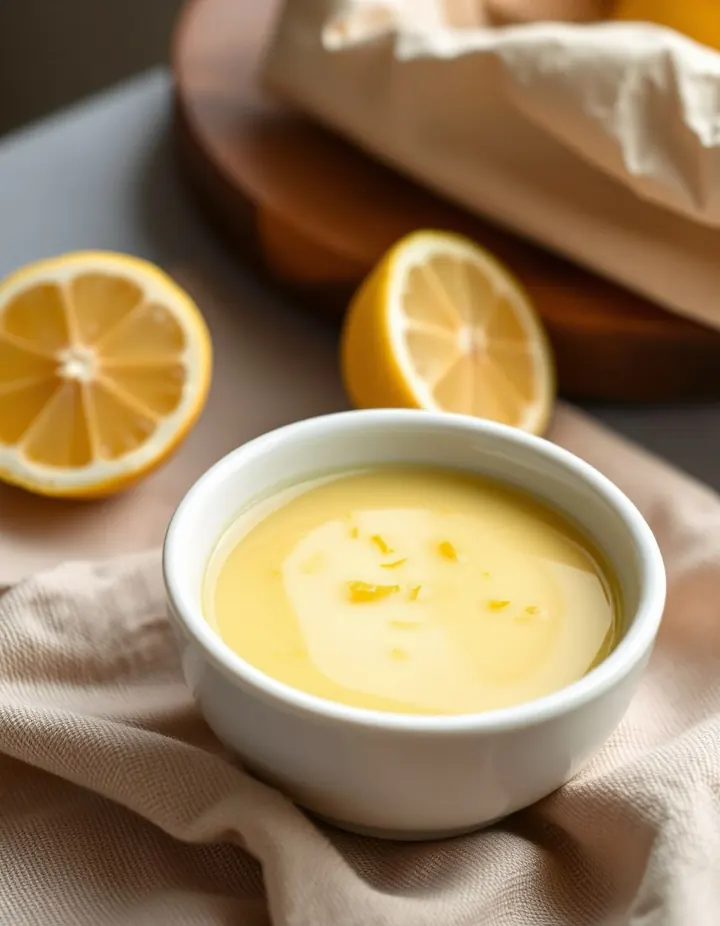 Illustration
 Illustration
 Illustration
 Illustration
The Sunday pairing: one pairing, the chemistry behind it, and how to cook it. No spam, unsubscribe anytime.
Prefer an account? Create a free account for sign-in; Pro adds the full results and chemistry.