Why it works: Pepper and lemon match in chemistry and in kitchens. They rank in the top 2% of all ingredient pairs, and 27,039 recipes mention both. Both carry 2-nonenal, which smells fatty, green. The science ↓
The recipe
Serves 4Ingredients
Contains: milk, wheat (auto-detected from the ingredients and method; we can miss things, so check labels)
Directions
Prepare the venison
Slice the venison loin across the grain into ¼‑inch or thinner slices, or pound flat between two pieces of waxed paper.
Combine the sliced venison with 1 cup of milk in a shallow dish.
Cover the dish and refrigerate for up to 3 hours.
Discard the milk.
Add the remaining milk and temper the venison outside the refrigerator for 1 hour.
Discard the milk again.
Pat the venison slices dry.
Mix the flour, salt, and pepper together.
Thoroughly coat the venison slices with the flour mixture.
Brown and make the sauce
In a large skillet, melt butter over medium heat.
Brown the venison on both sides.
Add wine to the skillet.
Simmer the wine for two minutes more.
Transfer the venison slices to a heated platter with a slotted spoon.
Add lemon juice, capers, and parsley to the skillet.
Cook the sauce on medium for two minutes, constantly scraping the bottom and sides of the skillet.
Serve
Serve the venison slices with the sauce poured over them.
Cook to a safe temperature. This method doesn't say how hot the inside should get. Check with a food thermometer in the thickest part:
- Beef, pork, lamb and veal steaks, chops and roasts: 145°F (63°C), then rest 3 minutes.
Figures from the USDA's safe minimum internal temperatures.
Steps grouped into stages for easier reading; the method is the source's own.
Found this recipe through an AI assistant? CompKitchen also shows which ingredients go well together and why, from the aroma molecules they share and how often recipes combine them. Try the pairing tools.
Explore the science
The flavor team
The pairs that carry this dish. Each one is judged two ways: how much aroma chemistry they share, and how many recipes mention both.
-
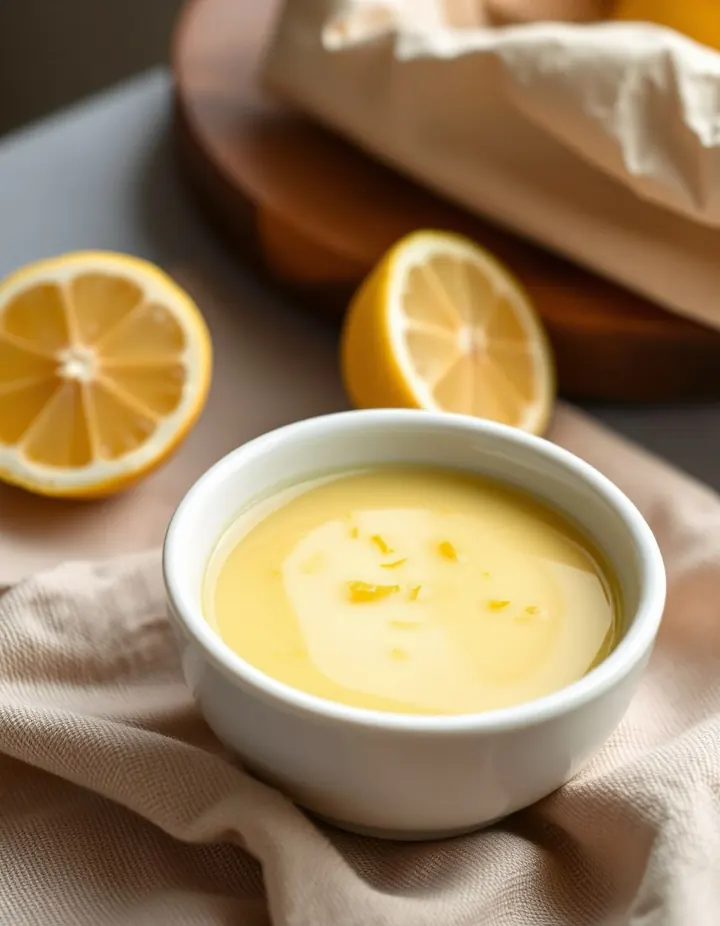
Pepper + lemontop 2% of all pairsAroma overlapstrongMentioned together27,039 recipes
Shared aroma: 2-nonenal (fatty, green).
-
Milk + buttertop 3% of all pairsAroma overlapstrongMentioned together81,222 recipes
Shared aroma: (z)-4-heptenal (biscuit, cream).
-
Butter + white winetop 3% of all pairsAroma overlapstrongMentioned together5,039 recipes
Shared aroma: ethyl octanoate (fruity, wine).
-
White wine + lemontop 5% of all pairsAroma overlapmoderateMentioned together3,764 recipes
Shared aroma: myrcene (balsamic, herbaceous).
-
Lemon + caperstop 5% of all pairsAroma overlapmoderateMentioned together1,222 recipes
Shared aroma: coumarin (sweet, hay).
Ranks compare each pair with 20,000 random ingredient pairs on CompKitchen. How we score pairs
What each ingredient does
- Deer loin
- Is the main protein; slicing thinly across the grain keeps each piece tender when cooked quickly.
- Milk
- Soaks the venison, mellowing its gamey flavor and tenderizing the meat.
- All-purpose flour
- Coats the slices, helping them brown and thickening the pan sauce.
- Butter
- Adds fat for browning the venison and enriches the finished sauce.
- Dry white wine
- Deglazes the pan, lifting browned bits and adding acidity to the sauce.
- Capers
- Add a sharp, salty acidity that balances the rich sauce.
The step that matters
Brown the venison on both sides. The flour coating browns through the Maillard reaction, giving flavor and color. Crowding the pan or moving the slices too early lowers pan temperature, so they steam instead of browning.
Flavor stand-ins for the capers
How well each one fits the dish's main ingredients (deer, milk, flour, pepper, butter, white wine, lemon):
- Thymebetter flavor fit
- Parsleybetter flavor fit
- Nutmegbetter flavor fit
- Capersthe original
Fit is the average pairing score against deer, milk, flour, pepper, butter, white wine, lemon. Candidates are from the same food group and used in at least 100 recipes. This compares flavor only: it does not check the job the ingredient does in the dish (bulk, moisture, acidity, structure).
“What each ingredient does” and “The step that matters” were written by Claude, an AI, from this recipe’s own method. They are not checked recipe by recipe, so they can be wrong.
Make it your own
Stand-ins, a drink, and quick taste fixes for this dish, ranked by how well each fits its other ingredients: shared aroma molecules and how often recipes combine them.
You might also like
 Illustration
 Illustration
 Illustration
 Illustration
The Sunday pairing: one pairing, the chemistry behind it, and how to cook it. No spam, unsubscribe anytime.
Prefer an account? Create a free account for sign-in; Pro adds the full results and chemistry.