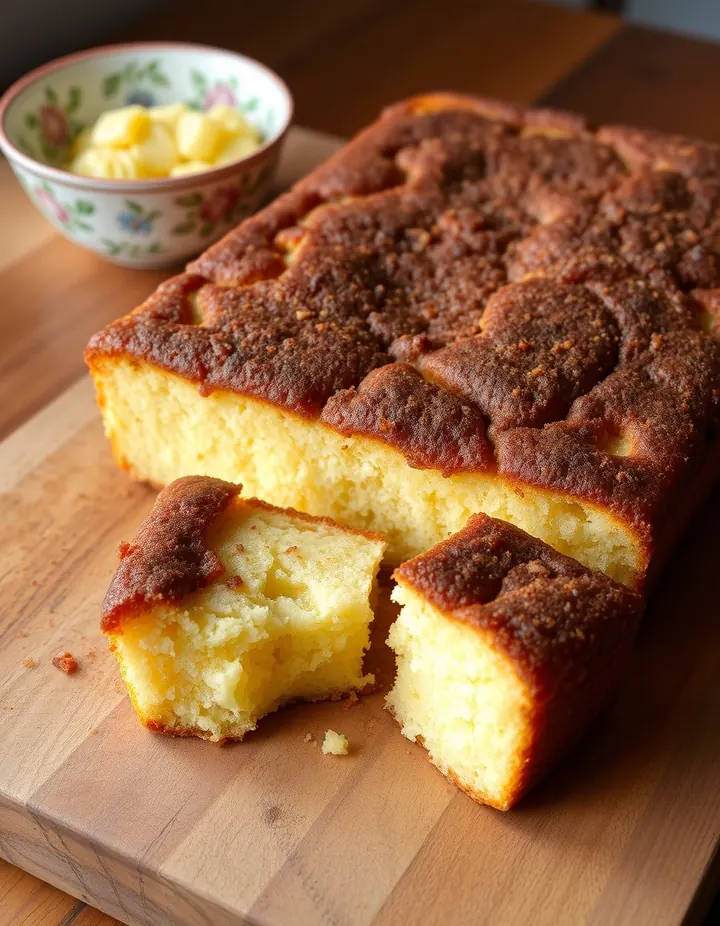
 Illustration
Why it works: Butter and bread match in chemistry and in kitchens. They rank in the top 3% of all ingredient pairs, and 27,145 recipes mention both. Both carry delta-decalactone, which smells sweet, creamy. The science ↓
The recipe
Ingredients
Contains: egg, milk, wheat (auto-detected from the ingredients and method; we can miss things, so check labels)
Directions
Heat the oven to 350°F (175°C). Grease a baking pan.
Cream the 2 tablespoons of butter with the 1 cup of sugar until light and fluffy.
Beat in the 3 egg yolks, then add about half of the 2 cups of milk and mix well.
Add a little of the flour and mix. Pour in the remaining milk, then mix in the rest of the flour sifted with the 3 tablespoons of baking powder and a tiny pinch of salt.
Pour the batter into the greased pan. Bake 25 to 30 minutes, until the top is golden and a toothpick inserted in the centre comes out clean.
Cool the cake in the pan for 10 minutes, then turn it onto a rack to cool fully.
Brush the top with the melted butter, then sprinkle with the sugar and cinnamon.
Cover and refrigerate within 2 hours of baking. Keep up to 4 days, and serve chilled or at room temperature.
Cook to a safe temperature. This method doesn't say how hot the inside should get. Check with a food thermometer in the thickest part:
- Beef, pork, lamb and veal steaks, chops and roasts: 145°F (63°C), then rest 3 minutes.
Figures from the USDA's safe minimum internal temperatures.
Original text from the book (15 steps)
1 cup of sugar; 2 cups of milk; Yolks of 3 eggs; 1 quart of flour;
2 tablespoonfuls of butter; 3 tablespoonfuls of bak-
ing powder.
Cream the butter; add sugar, the beaten yolks, a part of the milk; then a little flour, more milk, and sift the baking powder into the last part of flour. Put in a tiny pinch of salt. Pour into a greased pan and bake as cake, with plenty of melted butter, sugar, and cinnamon on top.
20 BREAD.
BREAD. 21
22 BREAD.
The making of nutritious soup requires a little prac- tice. The base for soup is lean, uncooked meat — a pound of meat to a quart of water. A mixture of meats makes a more highly-flavored soup than any single meat. Beef, mutton, chicken, or veal make a good combination. Where richness is liked, a small ham bone will greatly improve the flavor of the soup.
The legs of all meats and the feet of chickens are rich in gelatine, making a very smooth stock.
In adding vegetables to a prepared stock, allow just enough time to cook them thoroughly, as much boiling injures the flavor of the stock.
Good soup-making requires skillful tasting.
Use cold water in making soup. Watch carefully the first hour, and skim frequently.
Simmer all stock; do not allow it to boil violently; it will become cloudy.
To clear stock: Beat the white of an egg with four tablespoonfuls of water; crush the shell and add to the water and egg, then to the stock. Boil five minutes and set on back of range to settle. Strain through cheesecloth or old napkin dipped in cold water.
Much depends upon the cleanliness of the soup pot — keep it well scoured.
From a scanned old cookbook. The method has been rewritten by AI to follow current food-safety guidance (safe cooking temperatures, refrigeration, no raw-egg shortcuts). It hasn't been kitchen-tested. The original text is under the method. See the original page.
Found this recipe through an AI assistant? CompKitchen also shows which ingredients go well together and why, from the aroma molecules they share and how often recipes combine them. Try the pairing tools.
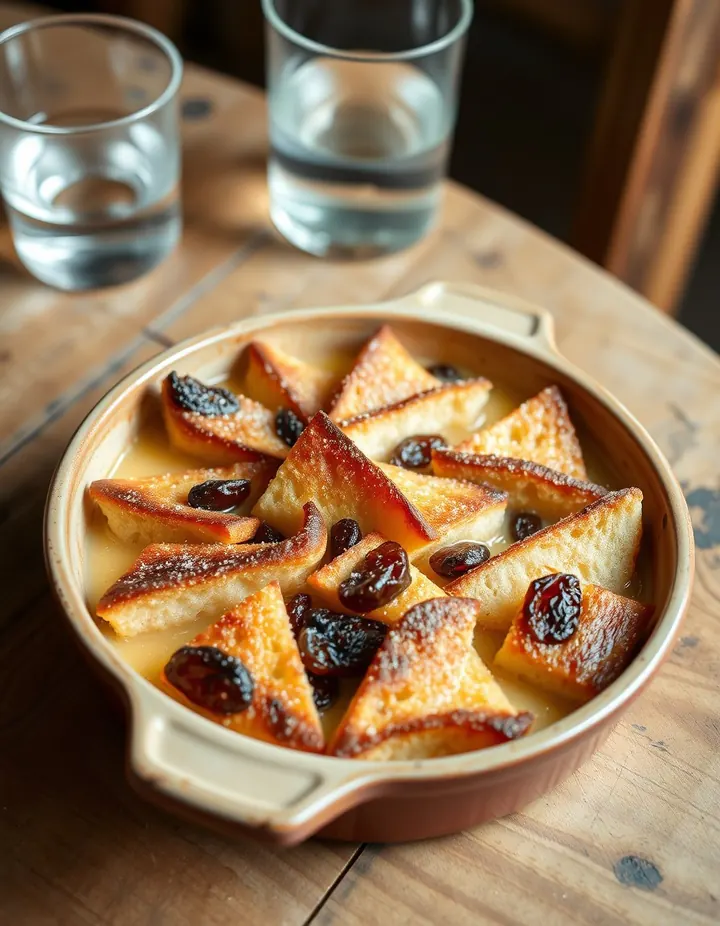
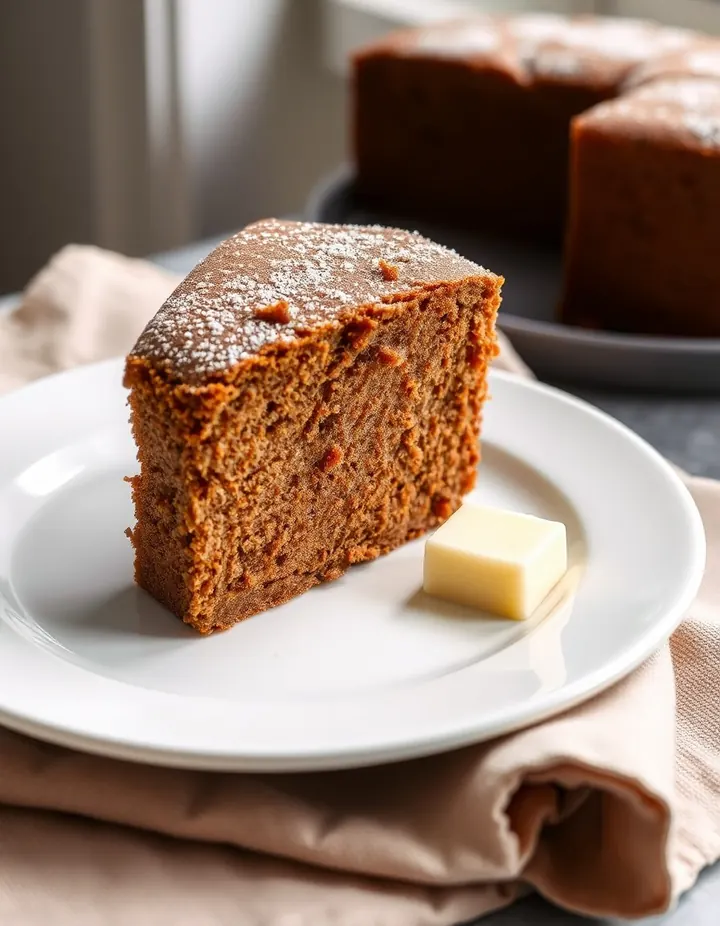
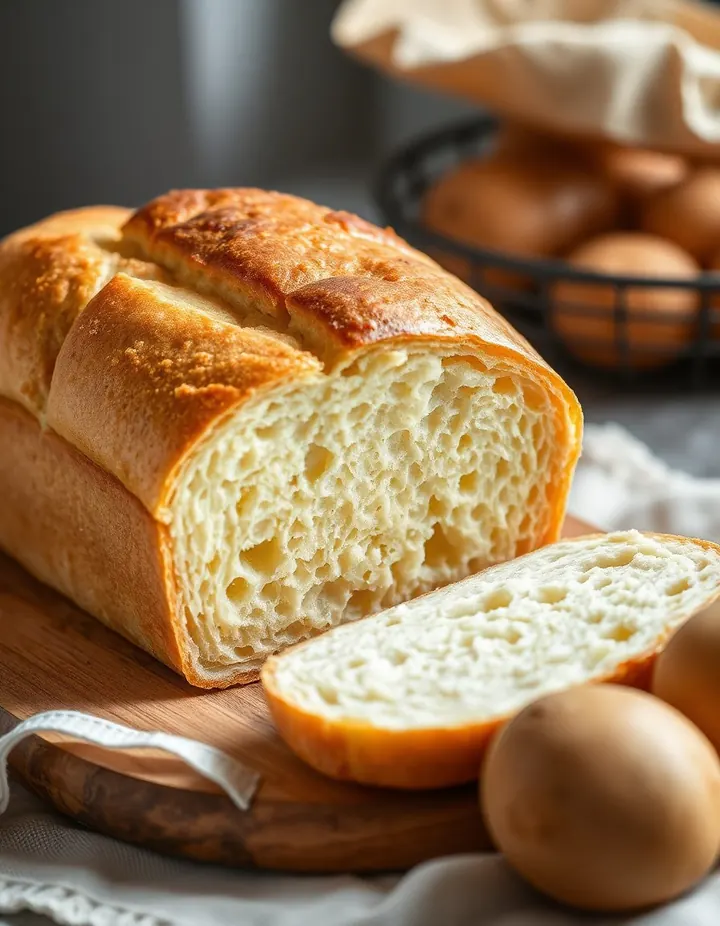
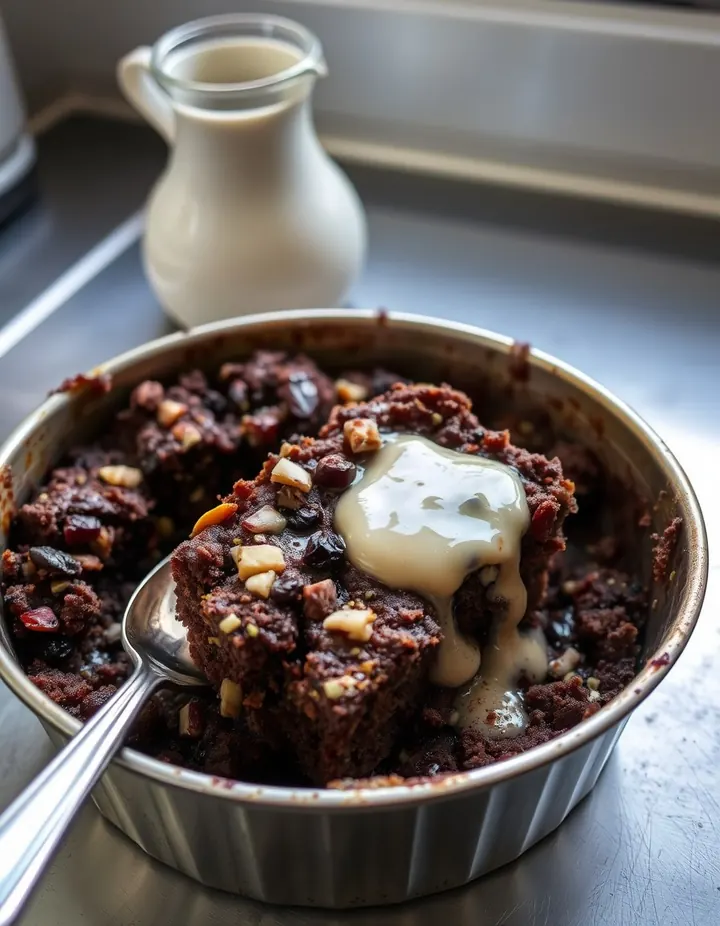
The picture is an illustration, not a photo of this recipe · Contact us to use it
Explore the science
The flavor team
The pairs that carry this dish. Each one is judged two ways: how much aroma chemistry they share, and how many recipes mention both.
-
Butter + breadtop 3% of all pairsAroma overlapstrongMentioned together27,145 recipes
Shared aroma: delta-decalactone (sweet, creamy).
-
Milk + buttertop 3% of all pairsAroma overlapstrongMentioned together81,222 recipes
Shared aroma: (z)-4-heptenal (biscuit, cream).
-
Milk + breadtop 4% of all pairsAroma overlapstrongMentioned together11,363 recipes
Shared aroma: 2-undecenal (sweet).
-
Egg + breadtop 6% of all pairsAroma overlapstrongMentioned together22,584 recipes
Shared aroma: 2-nonenal (fatty, green).
-
Meat + breadtop 6% of all pairsAroma overlapmoderateMentioned together2,919 recipes
Shared aroma: guaiacol (smoky, sweet).
Ranks compare each pair with 20,000 random ingredient pairs on CompKitchen. How we score pairs
Make it your own
Stand-ins, a drink, and quick taste fixes for this dish, ranked by how well each fits its other ingredients: shared aroma molecules and how often recipes combine them.
More cinnamon cake recipes
You might also like
 Illustration
 Illustration
 Illustration
 Illustration
The Sunday pairing: one pairing, the chemistry behind it, and how to cook it. No spam, unsubscribe anytime.
Prefer an account? Create a free account for sign-in; Pro adds the full results and chemistry.