The recipe
Ingredients
Directions
Make the stock
Add 1 quart of cold water to a pound of meat. Let it stand for a while before placing it on the stove. Cover and simmer slowly for five hours.
Salt the stock when it is half done.
When the stock begins to boil, add a cup of cold water and skim.
When done, pour into an earthen vessel and skim when cold.
For a stronger stock, use 5 pounds of meat to 7 pints of water.
Add vegetables to the stock in the proportion of 1 pint of cut vegetables per gallon.
Store and use
If desired to keep for several days, leave the fat on until used.
To clarify the fat, put it into boiling water; when it cools, sediment will settle to the bottom and the fat can be skimmed off again.
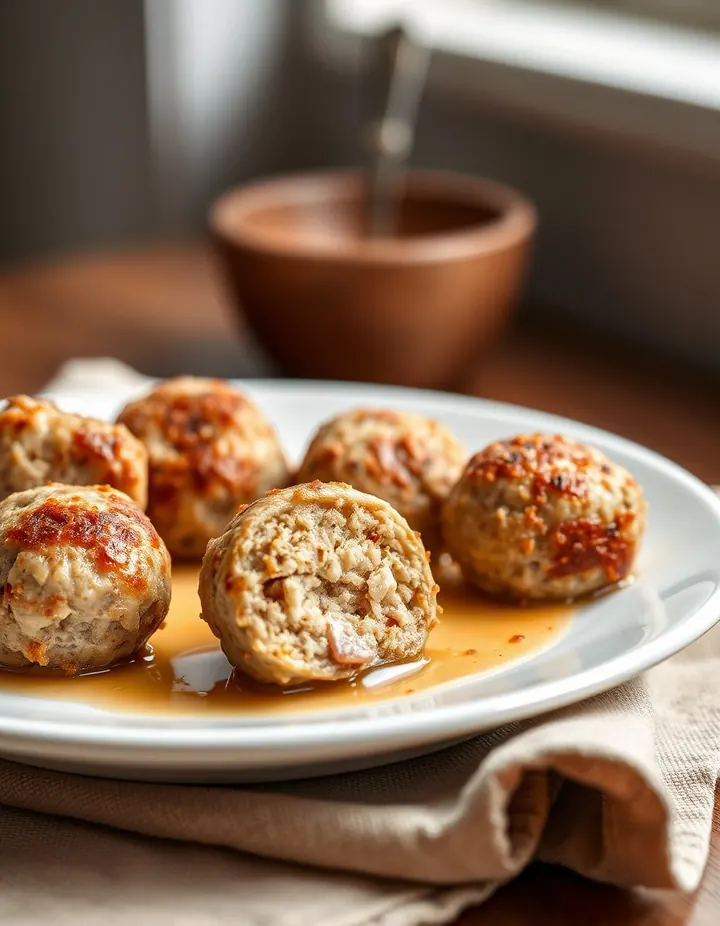
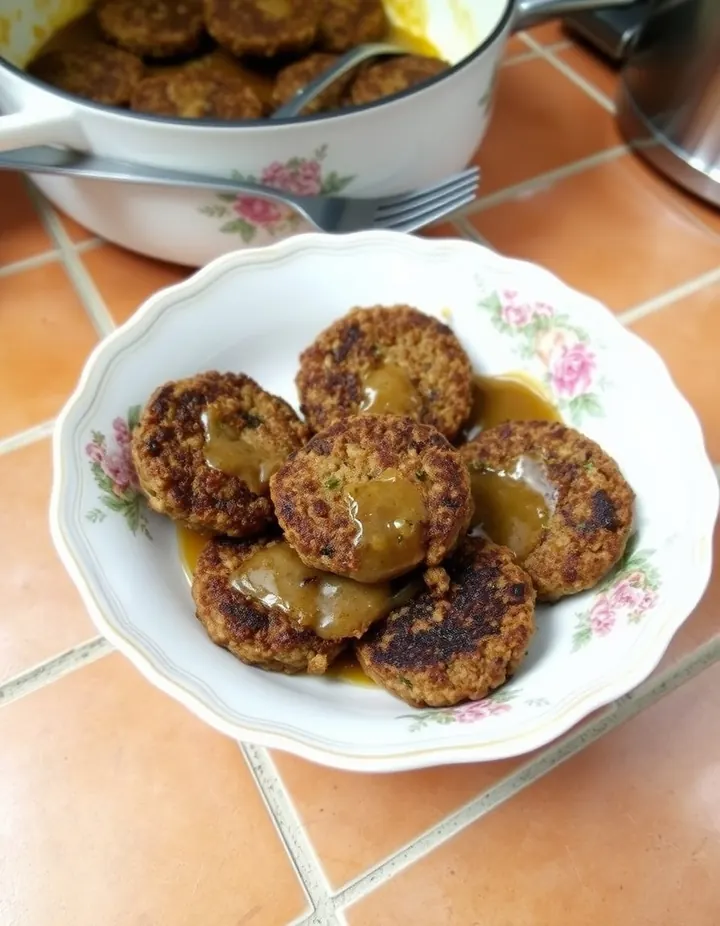
The meat can be spiced and baked or made into hash or croquettes.
Cook to a safe temperature. This method doesn't say how hot the inside should get. Check with a food thermometer in the thickest part:
- Beef, pork, lamb and veal steaks, chops and roasts: 145°F (63°C), then rest 3 minutes.
Figures from the USDA's safe minimum internal temperatures.
Transcribed from a scanned cookbook and modernised for today's kitchens. Where the book gave no heat or time, or said "a moderate oven", the temperatures and times here may be modern equivalents rather than the book's own figures. See the original page.
Found this recipe through an AI assistant? CompKitchen also shows which ingredients go well together and why, from the aroma molecules they share and how often recipes combine them. Try the pairing tools.
Explore the science
What each ingredient does
- Meat
- Provides the flavour and body of the stock as it simmers slowly in water.
- Water
- Extracts flavour and gelatin from the meat to form the liquid stock.
- Vegetables (in the method)
- Add aroma and sweetness to the stock as they cook in the liquid.
The step that matters
Skim the stock. Skimming removes fat and fine coagulated particles that rise to the surface, keeping the stock clear and less greasy. Skim when the stock begins to boil and again once it has cooled.
“What each ingredient does” and “The step that matters” were written by Claude, an AI, from this recipe’s own method. They are not checked recipe by recipe, so they can be wrong.
Make it your own
Stand-ins, a drink, and quick taste fixes for this dish, ranked by how well each fits its other ingredients: shared aroma molecules and how often recipes combine them.
More soup stock recipes
You might also like
 Illustration
 Illustration
 Illustration
 Illustration
The Sunday pairing: one pairing, the chemistry behind it, and how to cook it. No spam, unsubscribe anytime.
Prefer an account? Create a free account for sign-in; Pro adds the full results and chemistry.