Estimated Nutrition (whole recipe, rough)
Counts 4 of 7 ingredients — the other 3 aren't in our nutrition table and contribute nothing above, so the real totals are higher.
What these numbers assume — 4 portions →
| Ingredient | Portion assumed | kcal |
|---|---|---|
| Sugar | 1 tbsp (12.5g) granulated | 49 |
| Wine | 2 tbsp cooking wine (30ml) | 25 |
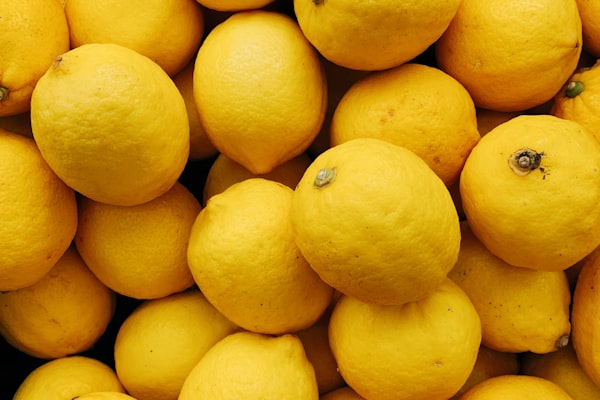
| Lemon | juice of 1 lemon (48ml) | 12 |
| Cinnamon | 1 tsp ground (2.6g) | 6 |
| Water | not in our table | 0 |
| Fruit | not in our table | 0 |
| Coffee | not in our table | 0 |
Totals for the whole recipe, adding one typical portion per ingredient — listed above. Quantities in the recipe are not counted, so this is a rough guide only — not suitable for medical or dietary planning.
Ingredients
- one pint of cold water
- one-half ounce of stick cinnamon if you wish
- three pints boiling water
- a pound of sugar to a pound of fruit
- a pound of fruit
- one box of cox's gelatine in one pint of cold water
- two lemons
- one pint sherry wine
- four coffee cups sugar
- cinnamon
Directions
Mrs. J. A. Rea, Minneapolis.
Dissolve one box of Cox's gelatine in one pint of cold water, with the juice and rind of two lemons and one-half ounce of stick cinnamon if you wish ; soak three-quarters of an hour; pour upon it three pints boiling water and one pint sherry wine ; add four coffee cups sugar, and strain through flannel into moulds.
In making jams, the fruit should be carefully cleaned and thoroughly bruised, as mashing it before cooking prevents it from becoming hard ; boil fifteen or twenty minutes before adding the sugar, as the flavor of the fruit is thus better preserved, (usually allowing three- quarters of a pound of sugar to a pound of fruit); then boil half an hour longer. Jams require almost con- stant stirring, and every housekeeper should be pro-
194 THE BUCKEYE COOK BOOK.
vided with a small paddle with handle at right angles with the blade (similar to an apple butter "stirrer," only on a smaller scale), to be used in making jams and marmalades.
To tell when any jam or marmalade is sufficiently cooked, take out some of it on a plate and let it cool. If no juice or moisture gathers about it, and it looks dry and glistening, it is done thoroughly. Put up in glass or small stone jars and secure like jellies. Keep jellies and jams in a cool, dry and dark place.