Why it works: Sugar and cream are a kitchen classic. They rank in the top 5% of all ingredient pairs, and 43,437 recipes mention both. Both carry 2,3-butanedione, which smells butter, sweet. The science ↓
The recipe
four peopleIngredients
Contains: egg, milk (auto-detected from the ingredients and method; we can miss things, so check labels)
Directions
Make the first version
Beat the whites of 4 eggs very stiff.
Add seven tablespoons granulated sugar and two tablespoons strawberry jam.
Put the mixture in a baking dish and place it in a pan of water in a moderate oven.
Bake for 45 minutes.
Serve with whipped cream.
Make the custard whip
Cook the yolks of 3 eggs with ½ pint sweet milk and sugar to taste, as for a float, and let cool.
Dissolve ½ box gelatin in ½ cup warm water.
Beat the whites of 3 eggs to a stiff froth and sweeten.
Whip 1 pint of cream, sweeten and flavor.
Stir the beaten whites into the cooled custard, then add ¼ of the whipped cream and the gelatin, and mix well together. Flavor with vanilla.
Line a mold with lady fingers and pour in the mixture.
Place the remainder of the whipped cream on top and set on ice to harden.
Make the second custard whip
Beat the yolks of 7 eggs and stir them into 1 pint of scalding milk with a tablespoon sugar in a double boiler.
Boil slowly and stir to keep from curdling until like custard; set away to cool.
Pour a large cup of warm water over half a box Knox gelatin; set on stove but do not let it get hot.
Beat the whites of eggs very light; add enough powdered sugar to make it stiff.
Whip 1 quart cream and stir into custard; then add the flavored whites and the dissolved gelatin. Mix thoroughly and set away to cool for about 2 hours, stirring occasionally.
Line a dish with either sponge cake or lady fingers and fill with the mixture.
Let stand 6 hours or overnight; this will serve twenty-four people.
Transcribed from a scanned cookbook and modernised for today's kitchens. Where the book gave no heat or time, or said "a moderate oven", the temperatures and times here may be modern equivalents rather than the book's own figures. See the original page.
Found this recipe through an AI assistant? CompKitchen also shows which ingredients go well together and why, from the aroma molecules they share and how often recipes combine them. Try the pairing tools.
Explore the science
The flavor team
The pairs that carry this dish. Each one is judged two ways: how much aroma chemistry they share, and how many recipes mention both.
-
Sugar + creamtop 5% of all pairsAroma overlapmoderateMentioned together43,437 recipes
Shared aroma: 2,3-butanedione (butter, sweet).
-
Berry + milktop 8% of all pairsAroma overlapstrongMentioned together51 recipes
Shared aroma: ethyl 2-methylbutyrate (fruity, apple).
-
Milk + eggtop 9% of all pairsAroma overlapmoderateMentioned together88,465 recipes
Shared aroma: 2-nonenal (fatty, green).
-
Milk + creamtop 9% of all pairsAroma overlapmoderateMentioned together29,395 recipes
Shared aroma: delta-dodecalactone (sweet, creamy).
-
Sugar + milktop 9% of all pairsAroma overlaplowMentioned together77,855 recipes
Shared aroma: 2-nonenal (fatty, green).
Sugar and milk share little aroma chemistry, yet 77,855 recipes mention both: they likely work on texture and structure more than aroma.
Ranks compare each pair with 20,000 random ingredient pairs on CompKitchen. How we score pairs
What each ingredient does
- Eggs
- Whites whipped to foam give the dessert its light, airy structure; yolks thicken the custard.
- Gelatin
- Sets the whipped mixture so it holds its shape when chilled.
- Cream
- Whipped cream adds richness and a light, moist texture.
- Sweet milk
- Forms the custard base that the whites and gelatin are folded into.
- Granulated sugar
- Sweetens the custard and the whipped whites.
The step that matters
Stirring the custard while it cooks. Egg yolks in milk can curdle if heated too fast or left unstirred, so the custard must be cooked slowly and stirred until it thickens smoothly.
“What each ingredient does” and “The step that matters” were written by Claude, an AI, from this recipe’s own method. They are not checked recipe by recipe, so they can be wrong.
Make it your own
Stand-ins, a drink, and quick taste fixes for this dish, ranked by how well each fits its other ingredients: shared aroma molecules and how often recipes combine them.
You might also like
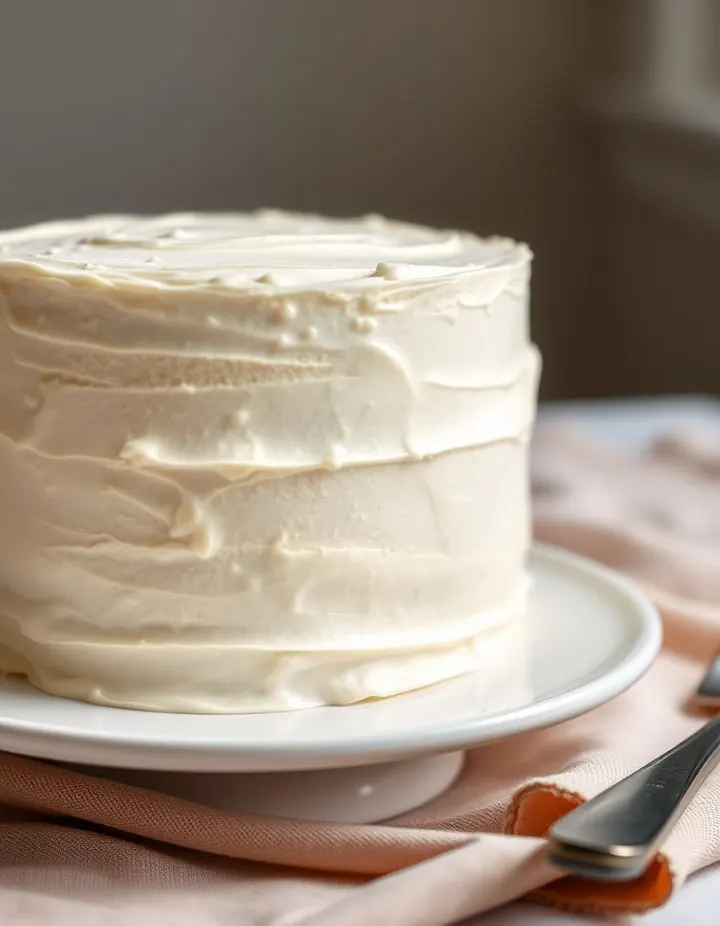 Illustration
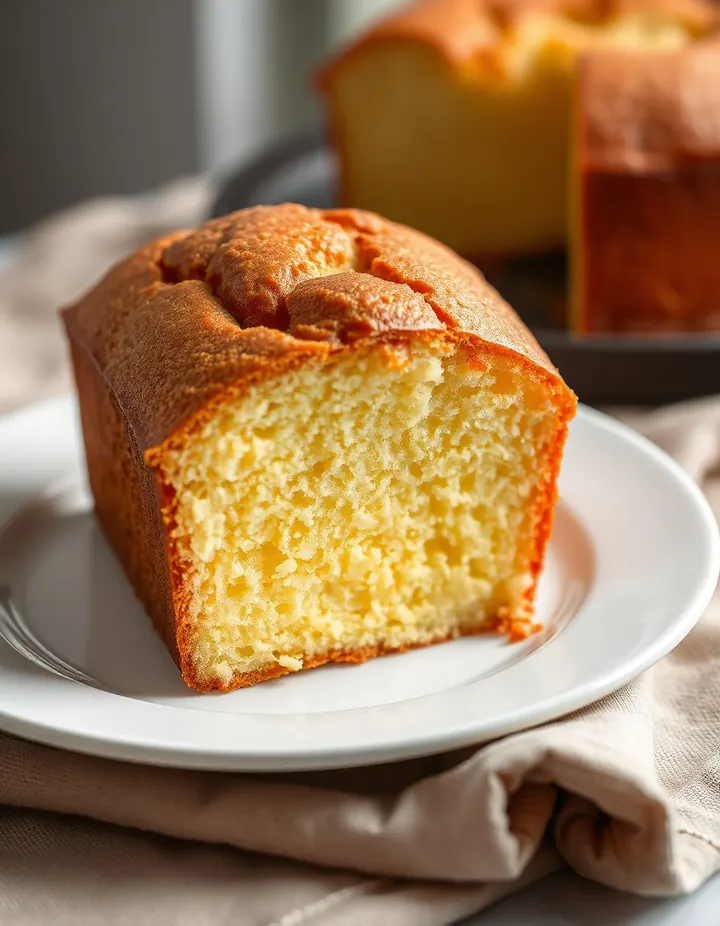 Illustration
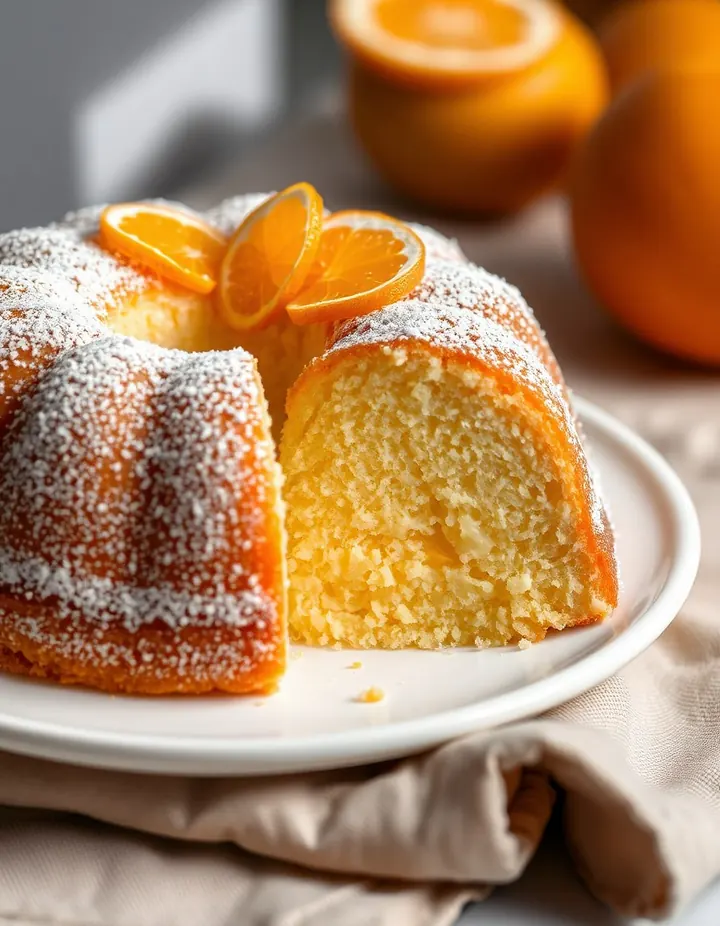 Illustration
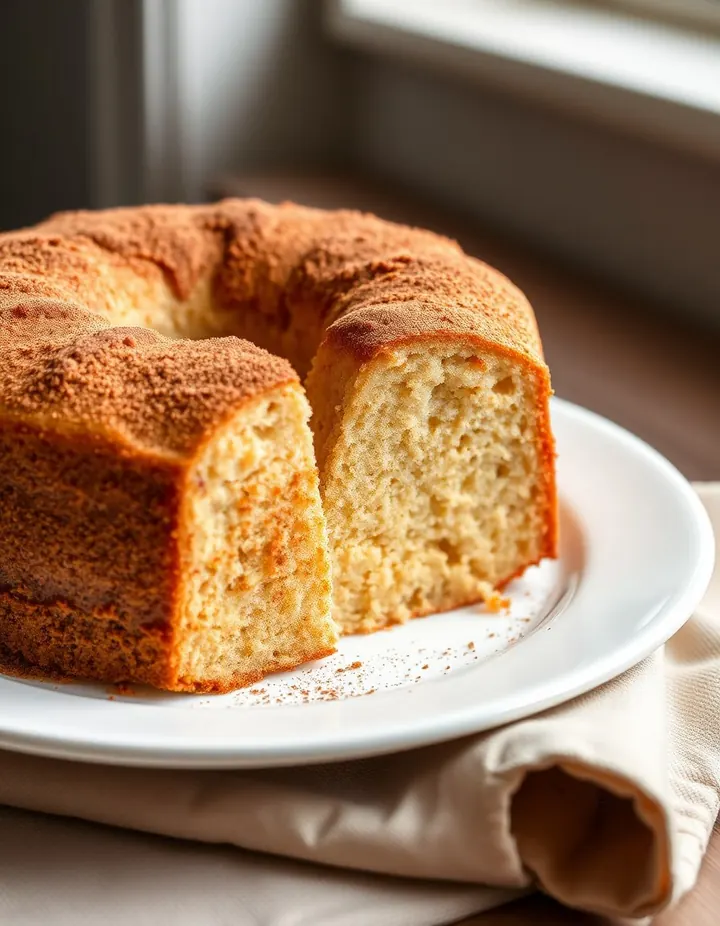 Illustration
The Sunday pairing: one pairing, the chemistry behind it, and how to cook it. No spam, unsubscribe anytime.
Prefer an account? Create a free account for sign-in; Pro adds the full results and chemistry.