Why it works: Rice and bread match in chemistry and in kitchens. They rank in the top 6% of all ingredient pairs, and 1,250 recipes mention both. Both carry 2-acetyl-1-pyrroline, which smells popcorn, roasted. The science ↓
The recipe
Ingredients
Contains: milk, wheat (auto-detected from the ingredients and method; we can miss things, so check labels)
Also mentioned in the method: butter
Directions
Make the bread dumplings
Take a pound of dough from a baking of very light white bread and divide it into six equal parts.
Mold these into dumplings.
Drop the dumplings into a pan of fast boiling water.
Boil them quickly from twelve to fifteen minutes.
Serve the bread dumplings
Send them to the table the instant they are dished, with wine sauce or raspberry vinegar.
In some counties they are eaten with melted butter, well sweetened, and mixed with a little vinegar.
They must never be cut, but should be torn apart with a couple of forks.
Make the suet dumplings
Mix into a very smooth paste three ounces of finely‑minced suet with eight ounces of flour and a light pinch of salt.
Divide the mixture into fourteen balls of equal size.
Roll them out quite thin and round.
Moisten the edges.
Put a little preserve into each.
Close the patties very securely to prevent its escape.
Throw them into a pan of boiling water.
Lift them out after ten to twelve minutes and serve them instantly.
Boil the rice pudding
Take out the discoloured grains from half a pound of good rice and wash it in several waters.
Tie it very loosely in a pudding cloth.
Put it into cold water.
Heat it slowly and boil it for quite an hour.
It will then be quite solid and resemble a pudding in appearance.
Sufficient room must be given to allow the grain to swell to its full size, or it will be hard; but too much space will render the whole watery.
With a little experience, the cook will easily ascertain the exact degree to be allowed for it.
Four ounces of rice will require quite three quarters of an hour’s boiling; a little more or less of time will sometimes be needed, from the difference of quality in the grain.
It should be put into an abundant quantity of water, which should be cold and then very slowly heated.
Transcribed from a scanned cookbook and modernised for today's kitchens. Where the book gave no heat or time, or said "a moderate oven", the temperatures and times here may be modern equivalents rather than the book's own figures. See the original page.
Found this recipe through an AI assistant? CompKitchen also shows which ingredients go well together and why, from the aroma molecules they share and how often recipes combine them. Try the pairing tools.
Explore the science
The flavor team
The pairs that carry this dish. Each one is judged two ways: how much aroma chemistry they share, and how many recipes mention both.
-
Rice + breadtop 6% of all pairsAroma overlapstrongMentioned together1,250 recipes
Shared aroma: 2-acetyl-1-pyrroline (popcorn, roasted).
Ranks compare each pair with 20,000 random ingredient pairs on CompKitchen. How we score pairs
What each ingredient does
- Suet
- Melts into the dough as fat, keeping the dumplings tender and moist.
- Flour (in the method)
- Forms the structure of the dough so the dumplings hold their shape.
- Rice
- Swells as it absorbs water, becoming firm and solid as it cooks.
- Bread dough
- Provides the light, soft crumb that makes the dumplings airy.
The step that matters
Leave room for the rice to swell. Rice grains absorb water and swell as they cook. If the cloth is tied too tightly the grain stays hard, and if too much space is left the pudding turns watery.
“What each ingredient does” and “The step that matters” were written by Claude, an AI, from this recipe’s own method. They are not checked recipe by recipe, so they can be wrong.
Make it your own
Stand-ins, a drink, and quick taste fixes for this dish, ranked by how well each fits its other ingredients: shared aroma molecules and how often recipes combine them.
You might also like
 Illustration
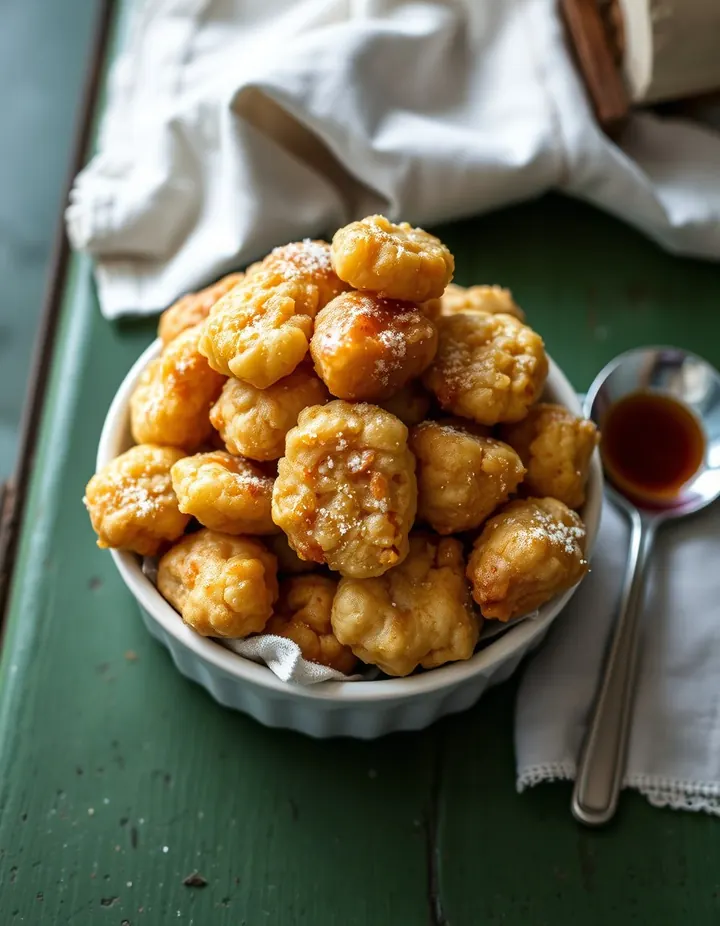 Illustration
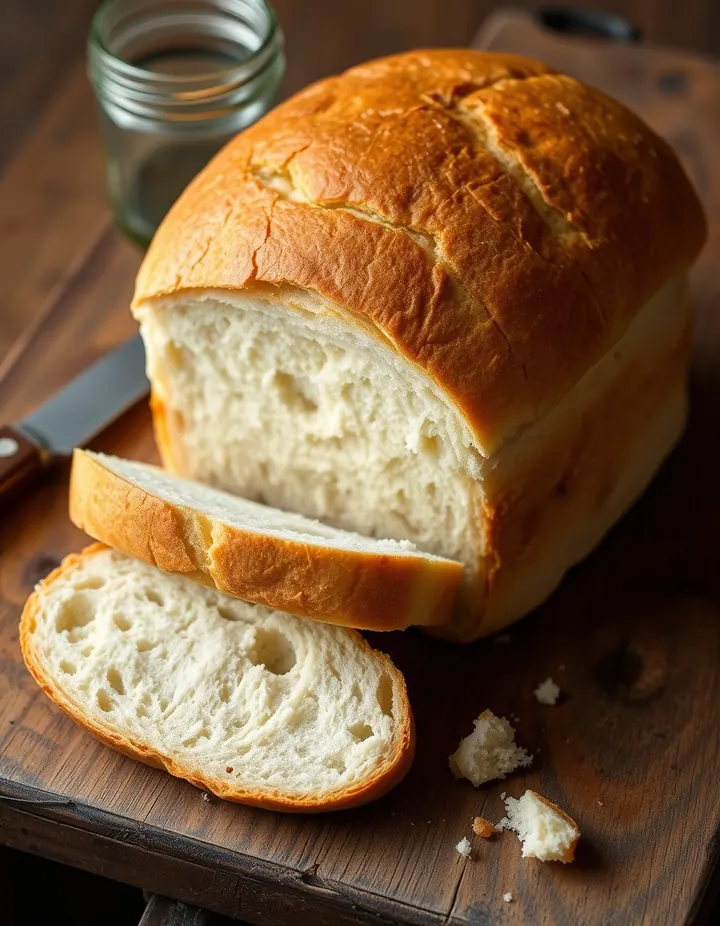 Illustration
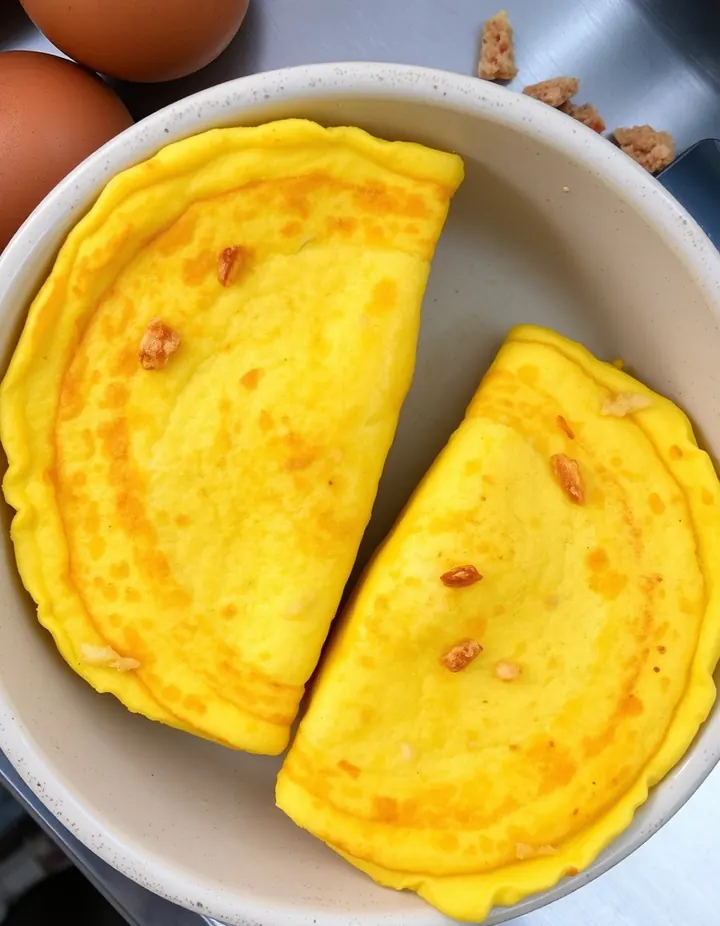 Illustration
The Sunday pairing: one pairing, the chemistry behind it, and how to cook it. No spam, unsubscribe anytime.
Prefer an account? Create a free account for sign-in; Pro adds the full results and chemistry.