Estimated Nutrition (whole recipe, rough)
Counts 7 of 10 ingredients — the other 3 aren't in our nutrition table and contribute nothing above, so the real totals are higher.
What these numbers assume — 7 portions →
| Ingredient | Portion assumed | kcal |
|---|---|---|
| Nutmeg | 1 tsp ground (2.2g) | 12 |
| Lemon | juice of 1 lemon (48ml) | 12 |
| Clove | 1 tsp ground (2g) | 7 |
| Black Pepper | 1 tsp ground (2.3g) | 6 |
| Mustard | 1 tsp (5g) yellow | 3 |
| Vinegar | 1 tbsp (15ml) distilled | 3 |
| Salt | 1 tsp (6g) | 0 |
| Seed | not in our table | 0 |
| Horseradish | not in our table | 0 |
| Mace | not in our table | 0 |
Totals for the whole recipe, adding one typical portion per ingredient — listed above. Quantities in the recipe are not counted, so this is a rough guide only — not suitable for medical or dietary planning.
Ingredients
- two ounces of mustard seed
- two ounces of horseradish
- three ounces of fine salt
- an ounce of black pepper
- an ounce of nutmeg
- an ounce of mace
- an ounce of cloves
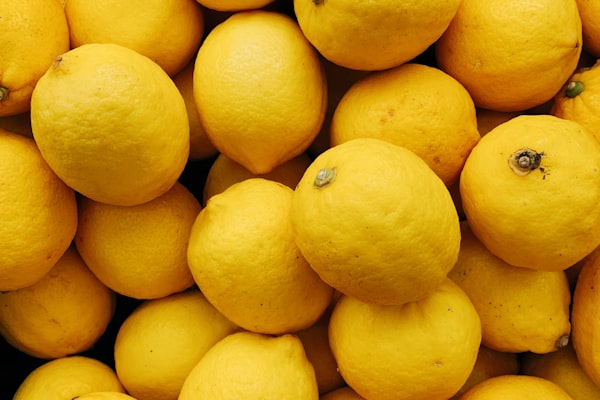
- nine large lemons into thin slices
- vinegar
Directions
Cut nine large lemons into thin slices, and take out the seeds. Prepare, by pounding them in a mortar, two ounces of mustard seed, half an ounce of black pepper, half an ounce of nutmeg, a quarter of an ounce of mace, and a quarter of an ounce of cloves. Slice thin two ounces of horseradish. Put all these ingredients together. Strew over them three ounces of fine salt. Add a quart of the best vinegar.
Boil the whole twenty minutes. Then put it warm into a jar, and let it stand three weeks closely covered. Stir it up daily.
Then strain it through a sieve, and put it up in small bottles to flavour fish and other sauces. This is sometimes called lemon pickle.