Why it works: Currant and bread are a kitchen classic. They rank in the top 8% of all ingredient pairs, and 2,396 recipes mention both. Both carry gamma-nonanolactone, which smells coconut, creamy. The science ↓
The recipe
Ingredients
Contains: egg, milk, wheat (auto-detected from the ingredients and method; we can miss things, so check labels)
Directions
The book says “a moderate oven”. The 350°F (175°C) in the steps is the modern equivalent, not the book's own figure.
Prepare
Preheat the oven to 350°F (175°C).
Butter the bread slices and layer them in a 3‑pint baking dish.
Grate a little nutmeg and scatter some currants over the first layer; repeat for three layers.
Make the custard
Beat the eggs, then mix in the sugar and milk until well combined.
Pour the egg mixture over the layered bread and let it sit for 15‑20 minutes.
Bake and serve
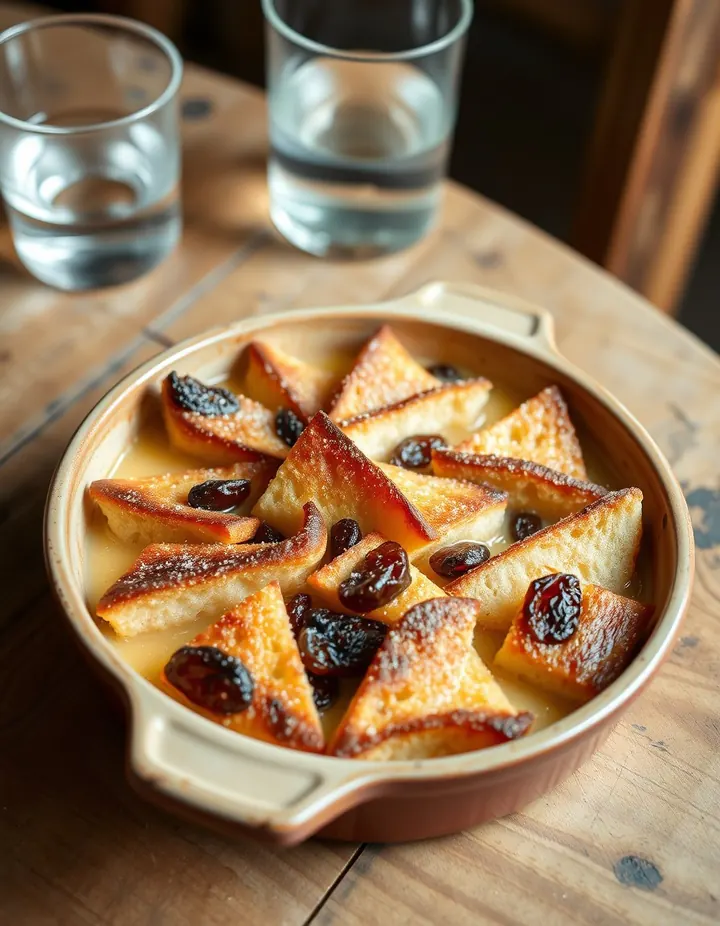
Bake for 30 minutes until set and golden.
Transcribed from a scanned cookbook and modernised for today's kitchens. Where the book gave no heat or time, or said "a moderate oven", the temperatures and times here may be modern equivalents rather than the book's own figures.
Found this recipe through an AI assistant? CompKitchen also shows which ingredients go well together and why, from the aroma molecules they share and how often recipes combine them. Try the pairing tools.
Explore the science
The flavor team
The pairs that carry this dish. Each one is judged two ways: how much aroma chemistry they share, and how many recipes mention both.
-
Currant + breadtop 8% of all pairsAroma overlapmoderateMentioned together2,396 recipes
Shared aroma: gamma-nonanolactone (coconut, creamy).
-
Bread + buttertop 3% of all pairsAroma overlapstrongMentioned together27,145 recipes
Shared aroma: delta-decalactone (sweet, creamy).
-
Milk + buttertop 3% of all pairsAroma overlapstrongMentioned together81,222 recipes
Shared aroma: (z)-4-heptenal (biscuit, cream).
-
Milk + breadtop 4% of all pairsAroma overlapstrongMentioned together11,363 recipes
Shared aroma: 2-undecenal (sweet).
-
Egg + breadtop 6% of all pairsAroma overlapstrongMentioned together22,584 recipes
Shared aroma: 2-nonenal (fatty, green).
Ranks compare each pair with 20,000 random ingredient pairs on CompKitchen. How we score pairs
What each ingredient does
- Eggs
- Set when heated, binding the custard and giving the pudding its firm structure.
- Milk
- Provides the liquid that the bread soaks up and the eggs set within, keeping it moist.
- Bread
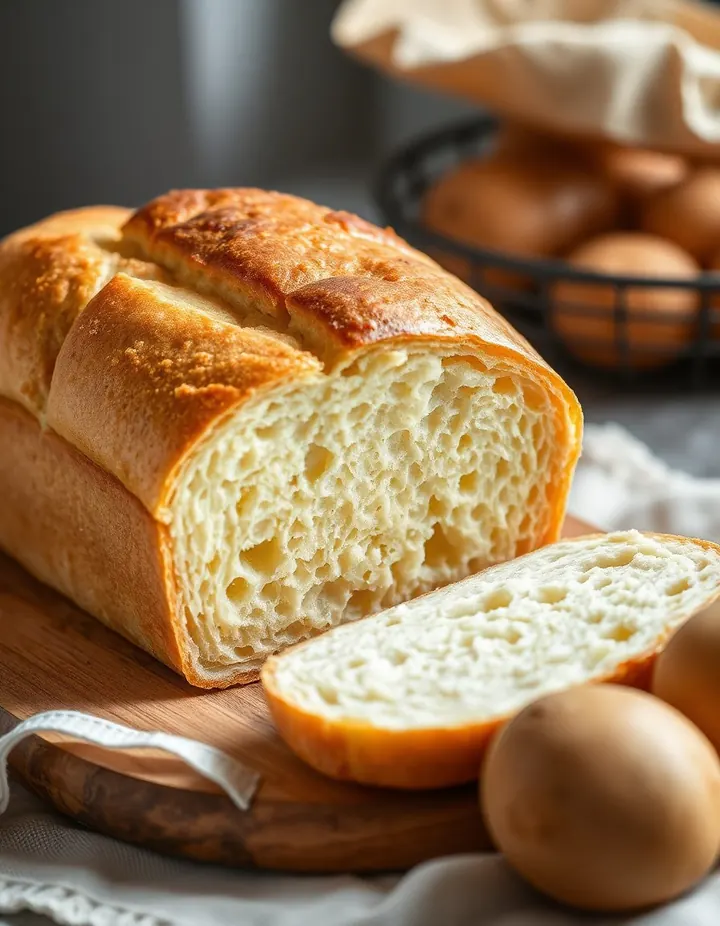
- Absorbs the custard and forms the body of the pudding as it sets.
- Sugar
- Adds sweetness and helps the top brown lightly in the oven.
- Butter
- Adds richness and fat that helps the bread brown on its surface.
- Currants
- Add pockets of sweetness and a chewy texture through the layers.
The step that matters
Bake for 30 minutes until set and golden. Egg proteins set as they heat, firming the custard. Baking until just set keeps it smooth and moist; overbaking tightens the eggs further, making the pudding dry, grainy, or weepy.
Flavor stand-ins for the nutmeg
How well each one fits the dish's main ingredients (sugar, currant, milk, egg, bread, butter):
- Cinnamonbetter flavor fit
- Nutmegthe original
Fit is the average pairing score against sugar, currant, milk, egg, bread, butter. Candidates are from the same food group and used in at least 100 recipes. This compares flavor only: it does not check the job the ingredient does in the dish (bulk, moisture, acidity, structure).
“What each ingredient does” and “The step that matters” were written by Claude, an AI, from this recipe’s own method. They are not checked recipe by recipe, so they can be wrong.
Make it your own
Stand-ins, a drink, and quick taste fixes for this dish, ranked by how well each fits its other ingredients: shared aroma molecules and how often recipes combine them.
You might also like
 Illustration
 Illustration
 Illustration
 Illustration
The Sunday pairing: one pairing, the chemistry behind it, and how to cook it. No spam, unsubscribe anytime.
Prefer an account? Create a free account for sign-in; Pro adds the full results and chemistry.