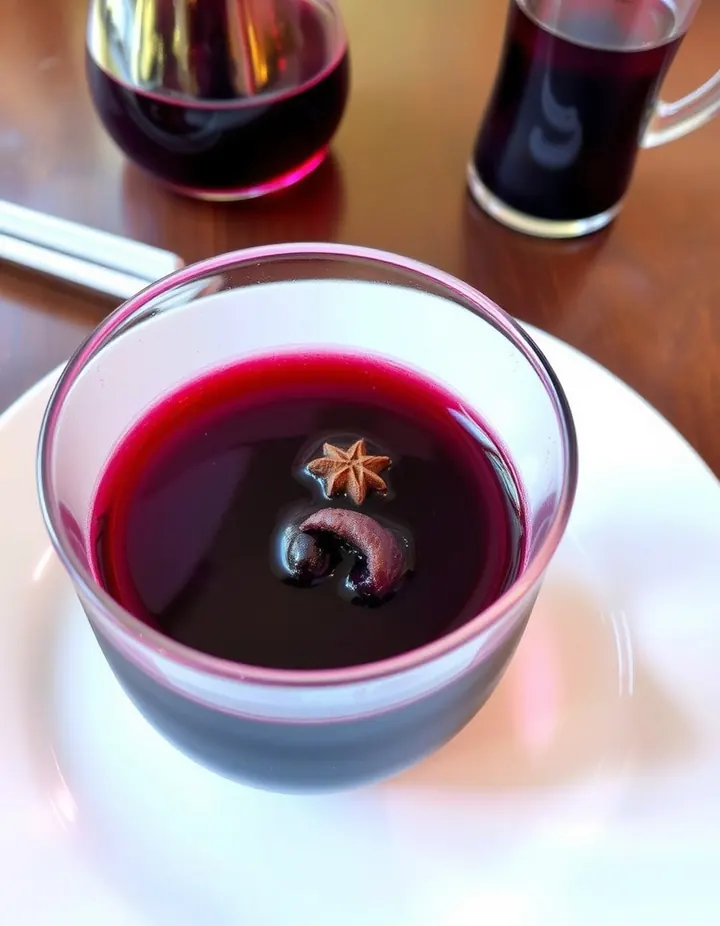
 Illustration
Why it works: Ginger and elderberry share more aroma than cooks usually use. They rank in the top 4% of all ingredient pairs, and 9 recipes mention both. Both carry isoamyl acetate, which smells banana, pear. The science ↓
The recipe
Ingredients
Directions
Clean and sanitize all equipment: tub or fermenter, spoon, sieve, airlock, hydrometer and bottles. Pull the elderberries off their stems and rinse them.
Boil the elderberries in the 2 quarts (about 2 L) of water for 30 minutes. Strain through a fine sieve, pressing to extract the juice, and discard the solids.
Stir the sugar, Jamaica pepper (allspice), ginger and cloves into the juice. Boil for 15 minutes, then take off the heat.
Cool the liquid to about 70°F (21°C), below 85°F (29°C), before adding yeast. Pour it into the sanitized fermentation container.
Spread the yeast on the toast and float it on the liquid. Fit an airlock and ferment at 65-75°F (18-24°C), away from sunlight, until bubbling slows.
Check the hydrometer reading each day. When it reads the same for 3 days in a row, fermentation is complete. Do not judge by bubbles alone.
Add the brandy: about 6 tablespoons (3 fl oz or 90 ml) for every 3 quarts of wine. Stir gently.
Siphon the wine into clean, sanitized bottles made for carbonated drinks, leaving headspace. Cap or cork securely.
Store the bottles upright in a cool, dark place. Keep them away from heat until you are ready to drink.
Original text from the book (9 steps)
For reference only, not instructions. This text may include storage, bottling, preserving or cooking steps that don't meet current food-safety guidance. Use the method above.
Boil 1 quart of elderberries with 2 quarts of water for 30 minutes.
Strain the mixture through a fine sieve to extract the juice.
Add ¾ pound of coarse Lisbon sugar, Jamaica peppers, ginger, and cloves to the juice.
Boil the mixture for 15 minutes.
Pour the liquid into a tub and let it cool to a warm temperature.
Add toast and yeast to the mixture to start fermentation.
When bubbling stops, add 1 quart of brandy for every 8 gallons of liquid.
Seal the container and store in a warm place.
Bottle the wine in spring or at Christmas.
From a scanned old cookbook. The method has been rewritten by AI to follow current food-safety guidance (safe cooking temperatures, refrigeration, no raw-egg shortcuts). It hasn't been kitchen-tested. The original text is under the method.
Found this recipe through an AI assistant? CompKitchen also shows which ingredients go well together and why, from the aroma molecules they share and how often recipes combine them. Try the pairing tools.
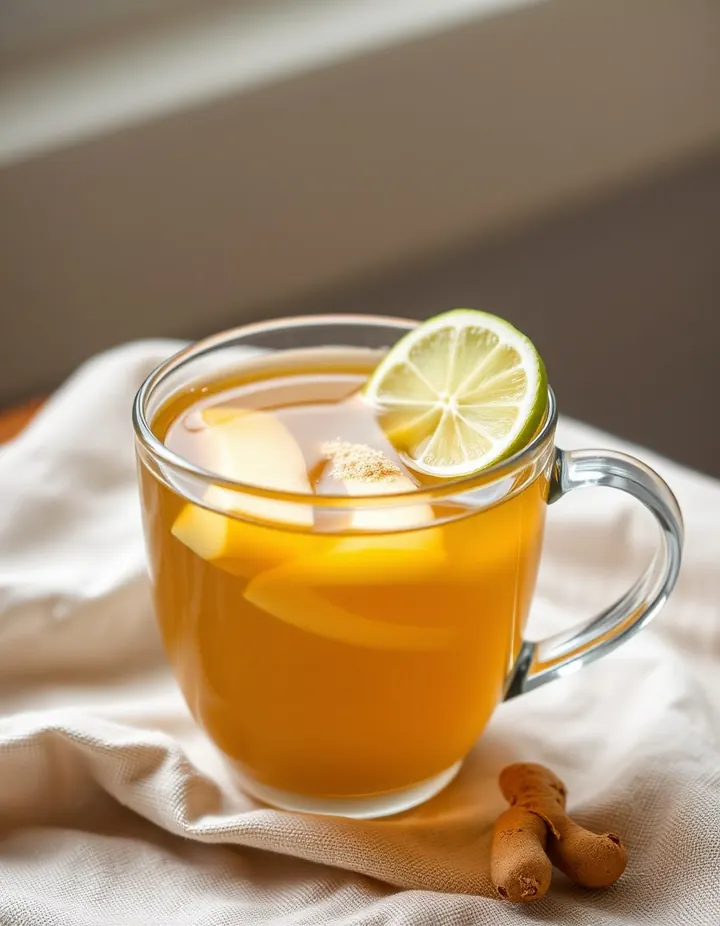
The picture is an illustration, not a photo of this recipe · Contact us to use it
Explore the science
The flavor team
The pairs that carry this dish. Each one is judged two ways: how much aroma chemistry they share, and how many recipes mention both.
-
Ginger + elderberrytop 4% of all pairsAroma overlapstrongMentioned together9 recipes
Shared aroma: isoamyl acetate (banana, pear).
-
Ginger + clovetop 1% of all pairsAroma overlapstrongMentioned together5,171 recipes
Shared aroma: myrcene (balsamic, herbaceous).
-
Pepper + clovetop 3% of all pairsAroma overlapstrongMentioned together13,144 recipes
Shared aroma: ethyl octanoate (fruity, wine).
-
Clove + elderberrytop 3% of all pairsAroma overlapstrongMentioned together11 recipes
Shared aroma: ethyl benzoate (fruity, sweet).
-
Pepper + gingertop 4% of all pairsAroma overlapstrongMentioned together6,799 recipes
Shared aroma: 2-isopropyl-3-methoxypyrazine (earthy, pea).
Ranks compare each pair with 20,000 random ingredient pairs on CompKitchen. How we score pairs
Flavor stand-ins for the elderberry
How well each one fits the dish's main ingredients (sugar, pepper, ginger, clove, brandy):
- Orangebetter flavor fit
- Lemonbetter flavor fit
- Applebetter flavor fit
- Elderberrythe original
Fit is the average pairing score against sugar, pepper, ginger, clove, brandy. Candidates are from the same food group and used in at least 100 recipes. This compares flavor only: it does not check the job the ingredient does in the dish (bulk, moisture, acidity, structure).
Make it your own
Stand-ins, a drink, and quick taste fixes for this dish, ranked by how well each fits its other ingredients: shared aroma molecules and how often recipes combine them.
You might also like
 Illustration
 Illustration
 Illustration
 Illustration
The Sunday pairing: one pairing, the chemistry behind it, and how to cook it. No spam, unsubscribe anytime.
Prefer an account? Create a free account for sign-in; Pro adds the full results and chemistry.