Why it works: Lemon and mace match in chemistry and in kitchens. They rank in the top 8% of all ingredient pairs, and 6,314 recipes mention both. Both carry myrcene, which smells balsamic, herbaceous. The science ↓
The recipe
Ingredients
Directions
Prepare
Grate the rind of the lemons.
Pound or grind the mustard seed, turmeric, white pepper, cloves, mace, and cayenne pepper.
In a bowl, combine the grated lemon rind, ground spices, sugar, horseradish, minced shallot, lemon juice, and table salt.
Let the mixture stand for 3 hours in a cool place.
Cook
Boil the mixture in a porcelain kettle for 30 minutes.
Age and finish
Pour into a covered china or earthen vessel.
Let it stand for 2 weeks, stirring well every day.
Strain the catsup.
Bottle the catsup.
Seal the catsup.
Transcribed from a scanned cookbook and modernised for today's kitchens. Where the book gave no heat or time, or said "a moderate oven", the temperatures and times here may be modern equivalents rather than the book's own figures.
Found this recipe through an AI assistant? CompKitchen also shows which ingredients go well together and why, from the aroma molecules they share and how often recipes combine them. Try the pairing tools.
Explore the science
The flavor team
The pairs that carry this dish. Each one is judged two ways: how much aroma chemistry they share, and how many recipes mention both.
-
Lemon + macetop 8% of all pairsAroma overlapstrongMentioned together6,314 recipes
Shared aroma: myrcene (balsamic, herbaceous).
-
Clove + macetop 2% of all pairsAroma overlapmoderateMentioned together8,199 recipes
Shared aroma: methyleugenol (clove, spice).
-
Lemon + peppertop 2% of all pairsAroma overlapstrongMentioned together27,039 recipes
Shared aroma: 2-nonenal (fatty, green).
-
Clove + peppertop 3% of all pairsAroma overlapstrongMentioned together13,144 recipes
Shared aroma: ethyl octanoate (fruity, wine).
-
Turmeric + peppertop 3% of all pairsAroma overlapstrongMentioned together4,476 recipes
Shared aroma: guaiacol (smoky, sweet).
Ranks compare each pair with 20,000 random ingredient pairs on CompKitchen. How we score pairs
What each ingredient does
- Lemons
- Supplies the sourness, bright aroma and acidity from the juice and rind.
- Mustard seed
- Provides sharp, pungent flavour that mellows during the long standing.
- Turmeric
- Gives the ketchup its yellow colour and a mild earthy bitterness.
- White sugar
- Balances the sourness and saltiness with sweetness.
- Horseradish
- Adds sharp, pungent heat that clears the nose.
- Shallot
- Adds a mild savoury onion aroma.
The step that matters
Stirring daily during the 2-week stand. Stirring each day distributes the salt, sugar, spices and acid evenly through the mixture, so the flavours blend and mature uniformly instead of separating or tasting uneven. Keeping the vessel covered limits contact with air during this long rest.
Flavor stand-ins for the white pepper
How well each one fits the dish's main ingredients (lemon, mustard, turmeric, clove, mace, pepper, sugar):
- Cardamombetter flavor fit
- Cinnamonbetter flavor fit
- Allspicebetter flavor fit
- White pepperthe original
Fit is the average pairing score against lemon, mustard, turmeric, clove, mace, pepper, sugar. Candidates are from the same food group and used in at least 100 recipes. This compares flavor only: it does not check the job the ingredient does in the dish (bulk, moisture, acidity, structure).
“What each ingredient does” and “The step that matters” were written by Claude, an AI, from this recipe’s own method. They are not checked recipe by recipe, so they can be wrong.
Make it your own
Stand-ins, a drink, and quick taste fixes for this dish, ranked by how well each fits its other ingredients: shared aroma molecules and how often recipes combine them.
You might also like
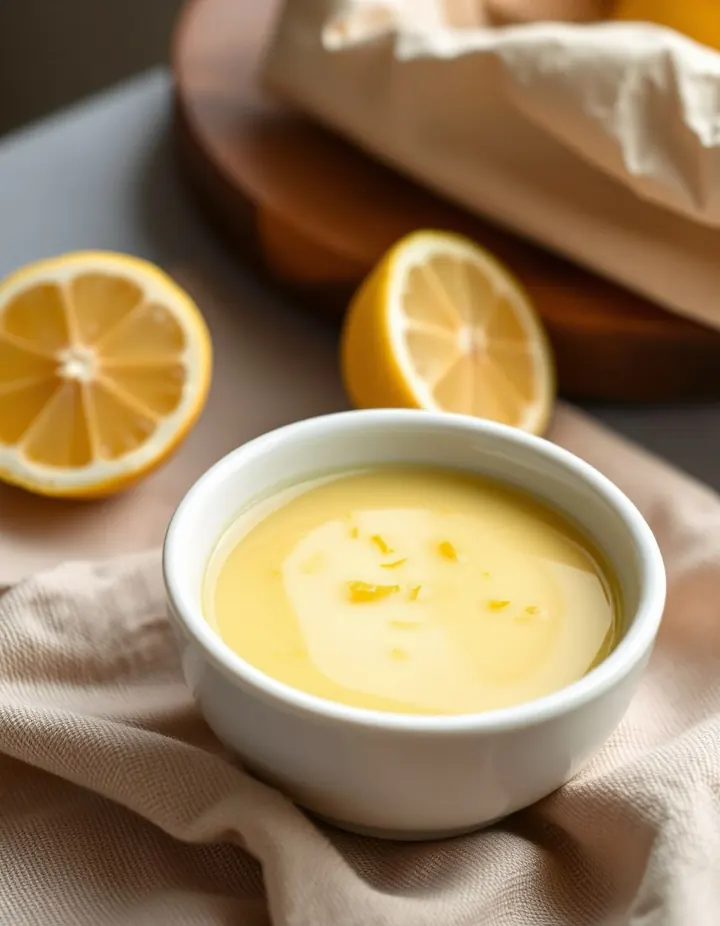 Illustration
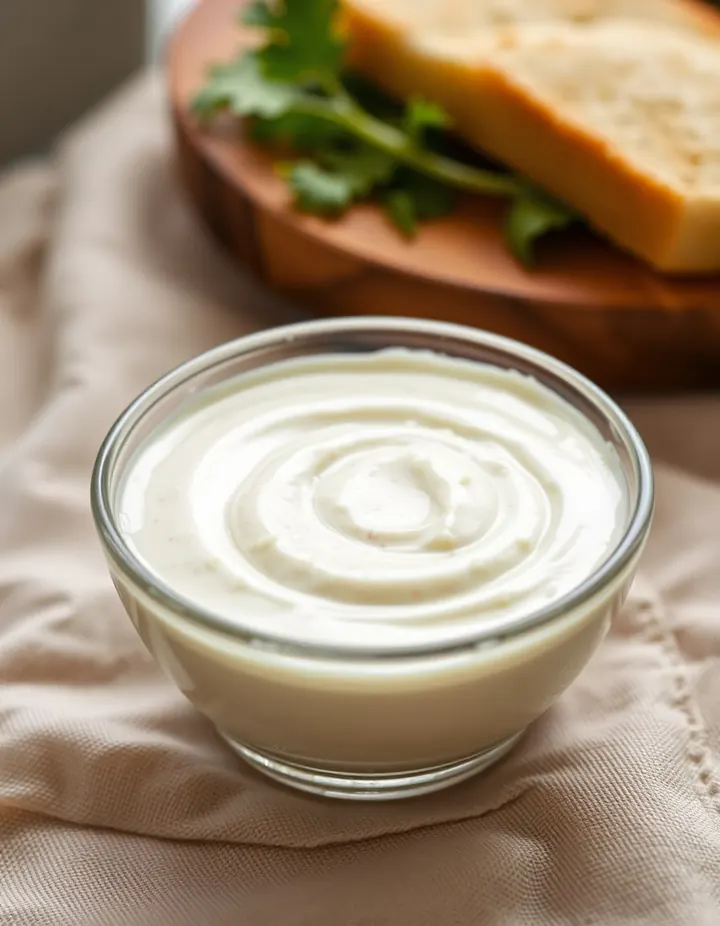 Illustration
 Illustration
 Illustration
The Sunday pairing: one pairing, the chemistry behind it, and how to cook it. No spam, unsubscribe anytime.
Prefer an account? Create a free account for sign-in; Pro adds the full results and chemistry.