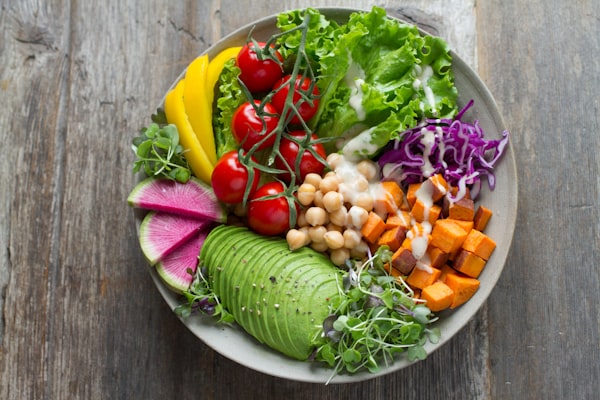
Photo: Anna Pelzer
Antipasto Salad II
13 ingredients
30 min
10 servings
openrecipes

"After searching for a recipe for an antipasto salad that I had envisioned in my head, I gave up and just decided to create one myself. I made this dish for a party and everyone couldn't stop talking about it. The ratio of meat/cheese to veggies can be adjusted to taste."
Estimated Nutrition (whole recipe, rough)
406
Calories
19g
Protein
28g
Fat
23g
Carbs
What these numbers assume — 10 portions →
| Ingredient | Portion assumed | kcal |
|---|---|---|
| Olive Oil | 1 tbsp (14g) | 119 |
| Provolone Cheese | 1 oz (28g) | 100 |
| Mozzarella Cheese | 1 oz (28g) | 85 |
| Artichoke | 1 medium (128g) | 60 |
| Tomato | 1 medium (123g) | 22 |
| Pepper | 1 tsp ground (2.3g) | 6 |
| Black Pepper | 1 tsp ground (2.3g) | 6 |
| Olive | 1 large (4g) | 4 |
| Vinegar | 1 tbsp (15ml) distilled | 3 |
| Basil | 5 leaves fresh (2.5g) | 1 |
Totals for the whole recipe, adding one typical portion per ingredient — listed above. Quantities in the recipe are not counted, so this is a rough guide only — not suitable for medical or dietary planning.
Ingredients
- 8 ounces Genoa salami, cut into bite-size pieces
- 8 ounces sopressata or other hard salami, cut into bite-size pieces
- 8 ounces sharp provolone cheese, cut into bite-size pieces
- 8 ounces fresh mozzarella cheese, cut into bite-size pieces
- 2 large tomatoes, cut into bite-size pieces
- 1 (14 ounce) can artichokes, drained and cut into bite-size pieces
- 1/2 (12 ounce) jar roasted red peppers, drained and sliced
- 1/2 cup pitted and coarsely chopped Kalamata olives
- 1/4 cup pitted and chopped green olives
- 1 tablespoon extra-virgin olive oil
- 3 tablespoons red wine vinegar
- freshly-ground black pepper, to taste
- 1/4 cup shredded fresh basil leaves
Directions
Step-by-step directions aren't available for this recipe in our database.
View the full recipe at the original source →
By allrecipes ·
Recipe sourced from
openrecipes