
Photo: Priscilla Du Preez
Medieval Chicken Pie
15 ingredients
1 pie
openrecipes
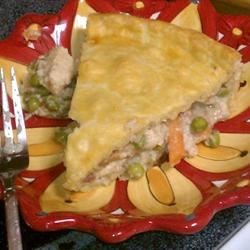
"This is a kind of meat pie that would have been eaten during the Middle Ages (700-1450) in Europe. Feel free to play around with the spices and substitute things such as cardamom, allspice, nutmeg, etc. Use a Whole wheat crust to be really authentic."
Estimated Nutrition (whole recipe, rough)
481
Calories
46g
Protein
19g
Fat
27g
Carbs
Counts 12 of 15 ingredients — the other 3 aren't in our nutrition table and contribute nothing above, so the real totals are higher.
What these numbers assume — 12 portions →
| Ingredient | Portion assumed | kcal |
|---|---|---|
| Chicken | 100g cooked | 165 |
| Cheddar Cheese | 1 oz (28g) | 113 |
| Egg | 1 large egg (50g) | 78 |
| Date | 1 date (24g) medjool | 66 |
| Wine | 2 tbsp cooking wine (30ml) | 25 |
| Almond | 1 almond (1.2g) | 7 |
| Cloves | 1 tsp ground (2g) | 7 |
| Black Pepper | 1 tsp ground (2.3g) | 6 |
| White Pepper | 1 tsp ground (2.3g) | 6 |
| Cinnamon | 1 tsp ground (2.6g) | 6 |
| Ginger | 1 tsp grated fresh (2g) | 2 |
| Salt | 1 tsp (6g) | 0 |
| Pastry | not in our table | 0 |
| Pie | not in our table | 0 |
| Mace | not in our table | 0 |
Totals for the whole recipe, adding one typical portion per ingredient — listed above. Quantities in the recipe are not counted, so this is a rough guide only — not suitable for medical or dietary planning.
Ingredients
- 1 recipe pastry for a 9 inch double crust pie
- 1 1/2 pounds chicken
- 1 egg
- 3 tablespoons white wine
- 1/8 cup dates, pitted and chopped
- 1/2 cup ground almonds
- 1/2 cup shredded Cheddar cheese
- 1/4 teaspoon salt
- 1/4 teaspoon ground black pepper
- 1/4 teaspoon ground white pepper
- 1/4 teaspoon ground cloves
- 1/2 teaspoon ground ginger
- 1/2 teaspoon ground mace
- 1 teaspoon ground cinnamon
- 1 cup chicken broth
Directions
Step-by-step directions aren't available for this recipe in our database.
View the full recipe at the original source →
By allrecipes ·
Recipe sourced from
openrecipes