Why it works: Flour and molasses are a kitchen classic. They rank in the top 9% of all ingredient pairs, and 10,318 recipes mention both. Both carry ethanol, which smells alcoholic, ethereal. The science ↓
The recipe
Makes 3 large loavesIngredients
Contains: milk, wheat (auto-detected from the ingredients and method; we can miss things, so check labels)
Directions
Prepare
Grease three large bread pans, or equivalent, generously with butter or margarine.
Tip the flour and salt into a large bowl and add the yeast, then mix gently.
Make and rise the dough
Dissolve the molasses in a little tepid water taken from 6 1/4 cups.
Add the molasses mixture to the flour, then mix in the rest of the water, adding gradually as needed.
Half-fill the pans with the dough, cover with plastic wrap or a damp dish towel, and leave to rise.
Set the oven to 400 °F (200 °C).
When the loaves have risen to within ½ inch of the tops of the pans, put them in the oven.
Bake and cool
Bake large loaves for 45 minutes and small loaves for about 35 minutes, or until they are brown and firm to the touch and sound hollow when tapped on the base.
If desired, crisp the base and sides by putting the loaves back into the oven for a few minutes after removal.
Cool the bread on a wire rack.
This recipe comes from the Recipes Wiki on Fandom and is licensed CC BY-SA 4.0. Our formatting and summaries are shared under the same licence.
Steps grouped into stages for easier reading; the method is the source's own.
Found this recipe through an AI assistant? CompKitchen also shows which ingredients go well together and why, from the aroma molecules they share and how often recipes combine them. Try the pairing tools.
Explore the science
The flavor team
The pairs that carry this dish. Each one is judged two ways: how much aroma chemistry they share, and how many recipes mention both.
-
Flour + molassestop 9% of all pairsAroma overlaplowMentioned together10,318 recipes
Shared aroma: ethanol (alcoholic, ethereal).
-
Butter + wheattop 6% of all pairsAroma overlapstrongMentioned together1,999 recipes
Shared aroma: (z)-4-heptenal (biscuit, cream).
-
Butter + flourtop 6% of all pairsAroma overlaplowMentioned together122,858 recipes
Shared aroma: isobutyraldehyde (malty, green).
-
Wheat + flourtop 7% of all pairsAroma overlaplowMentioned together4,327 recipes
Shared aroma: isobutyraldehyde (malty, green).
-
Wheat + molassestop 12% of all pairsAroma overlaplowMentioned together702 recipes
Shared aroma: furaneol (caramel, strawberry).
Flour and molasses share little aroma chemistry, yet 10,318 recipes mention both: they likely work on texture and structure more than aroma.
Ranks compare each pair with 20,000 random ingredient pairs on CompKitchen. How we score pairs
What each ingredient does
- Whole wheat flour
- Forms the structure of the loaf and gives it a nutty, wholesome flavour and darker crumb.
- Instant yeast
- Produces gas as it ferments, making the dough rise and become light.
- Molasses
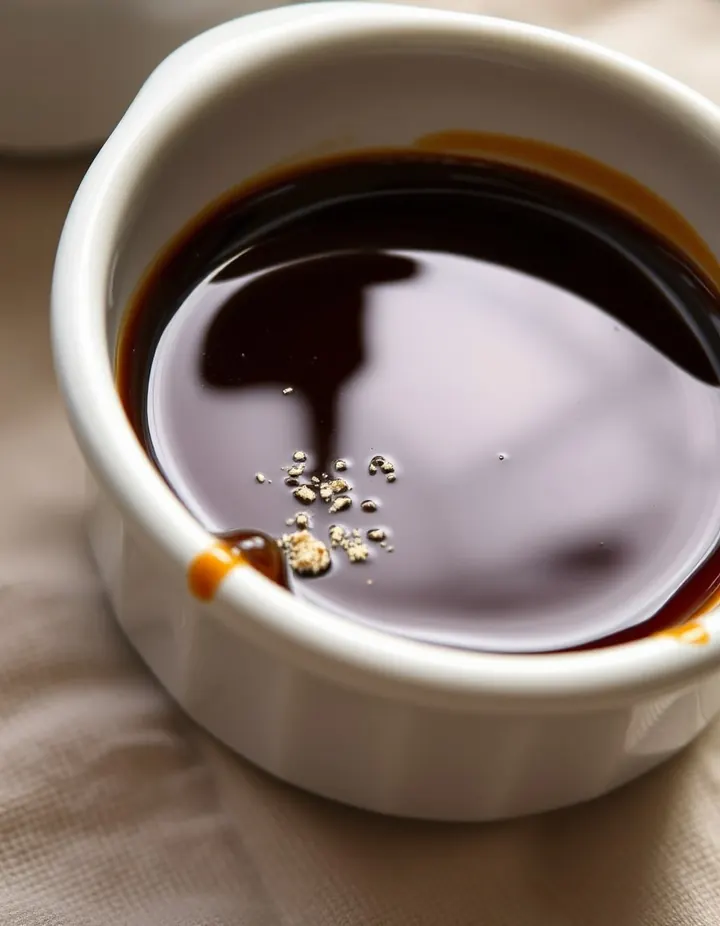
- Feeds the yeast and adds sweetness, depth of flavour and browning to the crust.
- Butter or margarine
- Greases the pans so the loaves release cleanly and the crust browns and softens slightly.
The step that matters
Judging when the loaves are fully baked. Bread can look browned outside while the centre is still wet. Firm crust and a hollow sound when tapped show the starches have set and the interior is cooked through, so the loaf will slice cleanly instead of turning gummy.
“What each ingredient does” and “The step that matters” were written by Claude, an AI, from this recipe’s own method. They are not checked recipe by recipe, so they can be wrong.
Make it your own
Stand-ins, a drink, and quick taste fixes for this dish, ranked by how well each fits its other ingredients: shared aroma molecules and how often recipes combine them.
More molasses bread recipes
You might also like
 Illustration
 Illustration
 Illustration
 Illustration
The Sunday pairing: one pairing, the chemistry behind it, and how to cook it. No spam, unsubscribe anytime.
Prefer an account? Create a free account for sign-in; Pro adds the full results and chemistry.