Why it works: Wheat and buttermilk work together. They rank in the top 10% of all ingredient pairs, and 226 recipes mention both. Both carry 1-octen-3-ol, which smells mushroom, earthy. The science ↓
The recipe
Ingredients
Contains: egg, milk, wheat (auto-detected from the ingredients and method; we can miss things, so check labels)
Also mentioned in the method: egg
Directions
Prepare the starter
Mix yeast with 1 teaspoon sugar and leave it in a warm spot to rise.
Heat milk to 300 degrees Celsius.
Make the dough
Stir half of the flour into the warm milk, add salt and leavened yeast, and beat the dough well.
Sprinkle the dough with flour, cover the trough (or bowl) with a clean cloth, and place it in a warm spot.
Add the remaining flour and cream or melted lard to the risen dough.
Knead the dough well until it rebounds from the edges.
Sprinkle the dough with flour, cover, and leave to rise again.
After the dough has risen, press it down and let it rise once more.
Shape and bake
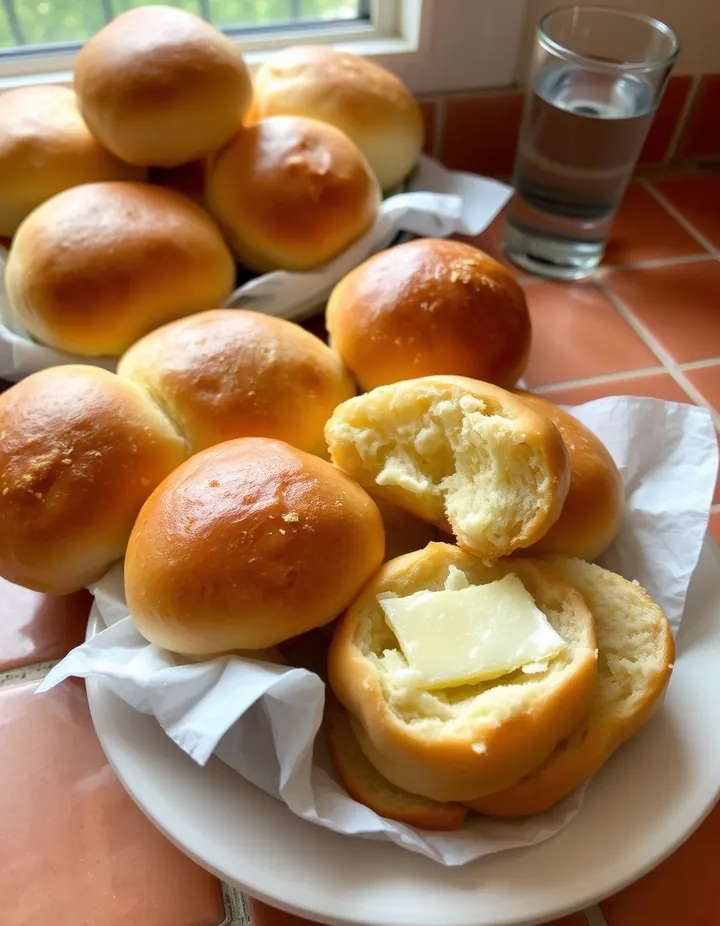
Make medium-sized round dough patties.
Smooth the surface of each patty with a wet hand or smear with melted butter or a beaten egg.
Place the patties on a greased pan or bread peel sprinkled with flour, place in a heated oven, and bake.
This recipe comes from the Recipes Wiki on Fandom and is licensed CC BY-SA 4.0. Our formatting and summaries are shared under the same licence.
Steps grouped into stages for easier reading; the method is the source's own.
Found this recipe through an AI assistant? CompKitchen also shows which ingredients go well together and why, from the aroma molecules they share and how often recipes combine them. Try the pairing tools.
Explore the science
The flavor team
The pairs that carry this dish. Each one is judged two ways: how much aroma chemistry they share, and how many recipes mention both.
-
Wheat + buttermilktop 10% of all pairsAroma overlaplowMentioned together226 recipes
Shared aroma: 1-octen-3-ol (mushroom, earthy).
-
Wheat + milktop 3% of all pairsAroma overlapstrongMentioned together2,416 recipes
Shared aroma: hexanal (green, grassy).
-
Milk + potatotop 4% of all pairsAroma overlapstrongMentioned together3,611 recipes
Shared aroma: (z)-4-heptenal (biscuit, cream).
-
Wheat + potatotop 4% of all pairsAroma overlapstrongMentioned together235 recipes
Shared aroma: 2-acetyl-1-pyrroline (popcorn, roasted).
-
Flour + buttermilktop 5% of all pairsAroma overlapmoderateMentioned together3,667 recipes
Shared aroma: ethanol (alcoholic, ethereal).
Ranks compare each pair with 20,000 random ingredient pairs on CompKitchen. How we score pairs
What each ingredient does
- Unrefined wheat flour
- Provides the gluten network that gives the dough its structure and holds the risen gas.
- Yeast
- Produces carbon dioxide as it ferments sugars, making the dough rise.
- Milk
- Adds moisture and milk sugars that help the crumb stay soft and the surface brown.
- Sour cream or lard
- Adds fat that tenderises the dough and keeps the crumb soft.
- Sugar
- Feeds the yeast during rising and contributes to browning in the oven.
The step that matters
Kneading until the dough rebounds from the edges. Kneading develops the gluten network, which gives the dough the elasticity to trap gas. Under-kneaded dough rises poorly and bakes up dense.
Flavor stand-ins for the potato
How well each one fits the dish's main ingredients (wheat, flour, milk, buttermilk, sugar, cream):
- Potatothe original
- Sweet potatoabout as good a flavor fit
Fit is the average pairing score against wheat, flour, milk, buttermilk, sugar, cream. Candidates are from the same food group and used in at least 100 recipes. This compares flavor only: it does not check the job the ingredient does in the dish (bulk, moisture, acidity, structure).
“What each ingredient does” and “The step that matters” were written by Claude, an AI, from this recipe’s own method. They are not checked recipe by recipe, so they can be wrong.
Make it your own
Stand-ins, a drink, and quick taste fixes for this dish, ranked by how well each fits its other ingredients: shared aroma molecules and how often recipes combine them.
You might also like
 Illustration
 Illustration
 Illustration
 Illustration
The Sunday pairing: one pairing, the chemistry behind it, and how to cook it. No spam, unsubscribe anytime.
Prefer an account? Create a free account for sign-in; Pro adds the full results and chemistry.