Why it works: Cabbage and turnip match in chemistry and in kitchens. They rank in the top 3% of all ingredient pairs, and 897 recipes mention both. Both carry coumarin, which smells sweet, hay. The science ↓
The recipe
Ingredients
Contains: fish (auto-detected from the ingredients and method; we can miss things, so check labels)
Directions
Prepare the vegetables
Remove the large outside leaves of the cabbage.
Cut the removed leaves in half lengthwise, then cut across the grain into 2-inch lengths.
Cut all the inside leaves into 2-inch lengths at the same time.
Place the cabbage in a very large pot.
Quarter the turnip, then slice across the grain holding the 4 quarters together for more speed and convenience in slicing.
Pour the oil from the anchovies over the cabbage and turnip.
Slice the anchovies across the grain.
Crush the garlic.
Cut the scallions into 2-inch lengths. Slice the scallions thin lengthwise.
Add these ingredients to the pot.
Season and ferment
Season with salt, pepper flakes and cayenne pepper, and mix thoroughly.
Cover the pot and let the mixture stand at room temperature for 2 days.
Refrigerate in a jar.
This recipe comes from the Recipes Wiki on Fandom and is licensed CC BY-SA 4.0. Our formatting and summaries are shared under the same licence.
Steps grouped into stages for easier reading; the method is the source's own.
Found this recipe through an AI assistant? CompKitchen also shows which ingredients go well together and why, from the aroma molecules they share and how often recipes combine them. Try the pairing tools.
Explore the science
The flavor team
The pairs that carry this dish. Each one is judged two ways: how much aroma chemistry they share, and how many recipes mention both.
-
Cabbage + turniptop 3% of all pairsAroma overlapstrongMentioned together897 recipes
Shared aroma: coumarin (sweet, hay).
-
Cabbage + peppertop 3% of all pairsAroma overlapstrongMentioned together4,080 recipes
Shared aroma: 2-isopropyl-3-methoxypyrazine (earthy, pea).
-
Cabbage + garlictop 5% of all pairsAroma overlapstrongMentioned together635 recipes
Shared aroma: linalool (floral, citrus).
-
Garlic + peppertop 5% of all pairsAroma overlapmoderateMentioned together27,044 recipes
Shared aroma: beta-phellandrene (minty, terpene).
-
Turnip + peppertop 7% of all pairsAroma overlapmoderateMentioned together5,252 recipes
Shared aroma: coumarin (sweet, hay).
Ranks compare each pair with 20,000 random ingredient pairs on CompKitchen. How we score pairs
What each ingredient does
- Chinese cabbage
- Forms the bulk of the kimchi and softens and ferments as it stands in salt.
- Salt
- Draws water out of the cabbage and turnip and seasons the mixture.
- Anchovies
- Add savory depth and salty umami to the seasoning.
- Hot pepper flakes
- Provide heat and color to the kimchi.
- Garlic
- Adds pungent aroma and flavor that deepens during fermentation.
The step that matters
Season with salt and mix thoroughly. Salt must be evenly distributed so the cabbage releases water and ferments uniformly; unevenly salted pockets can spoil or stay bland while others become too salty.
Flavor stand-ins for the garlic
How well each one fits the dish's main ingredients (cabbage, turnip, pepper):
- Celerybetter flavor fit
- Parsleybetter flavor fit
- Dillbetter flavor fit
- Garlicthe original
Fit is the average pairing score against cabbage, turnip, pepper. Candidates are from the same food group and used in at least 100 recipes. This compares flavor only: it does not check the job the ingredient does in the dish (bulk, moisture, acidity, structure).
“What each ingredient does” and “The step that matters” were written by Claude, an AI, from this recipe’s own method. They are not checked recipe by recipe, so they can be wrong.
Make it your own
Stand-ins, a drink, and quick taste fixes for this dish, ranked by how well each fits its other ingredients: shared aroma molecules and how often recipes combine them.
You might also like
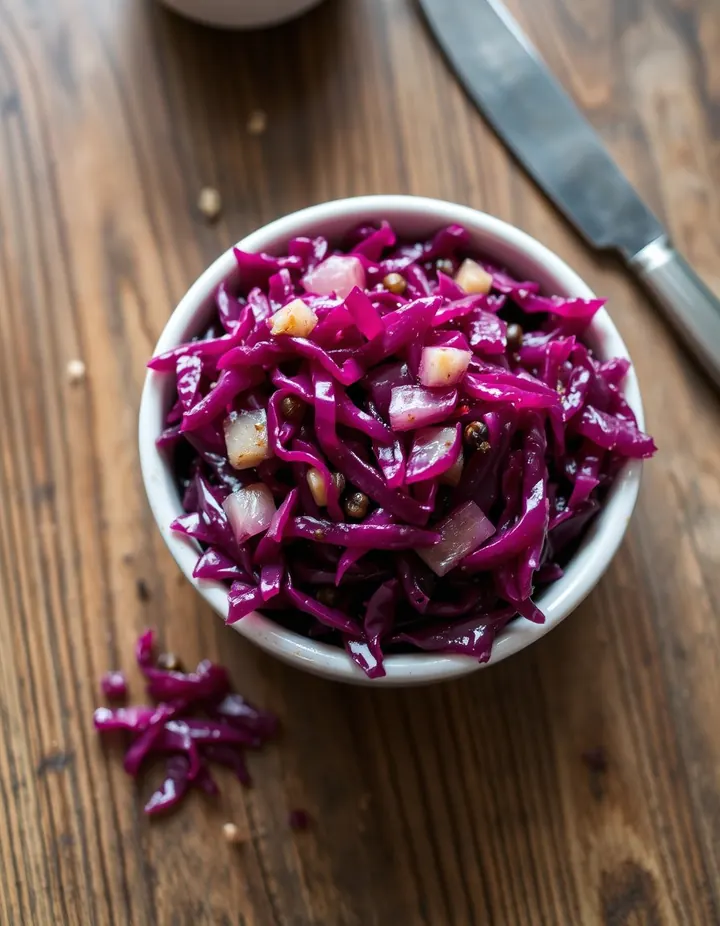 Illustration
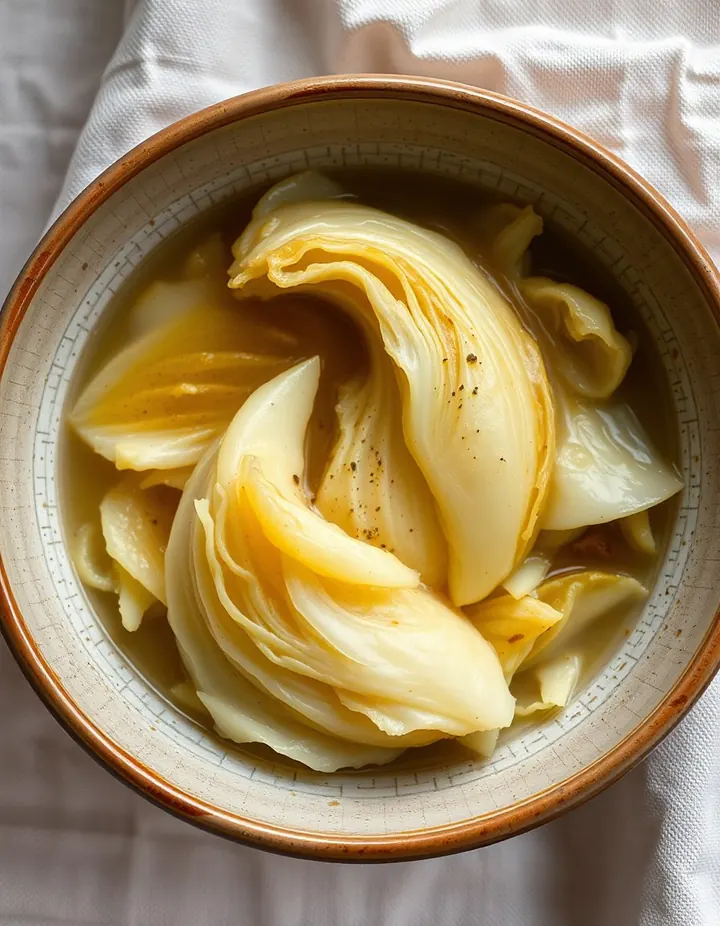 Illustration
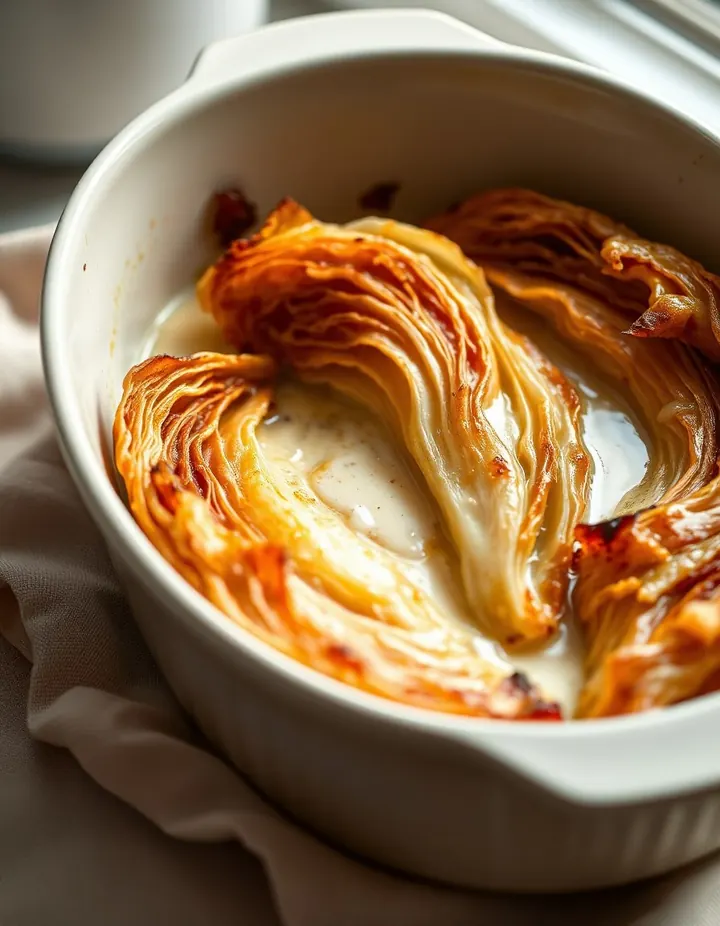 Illustration
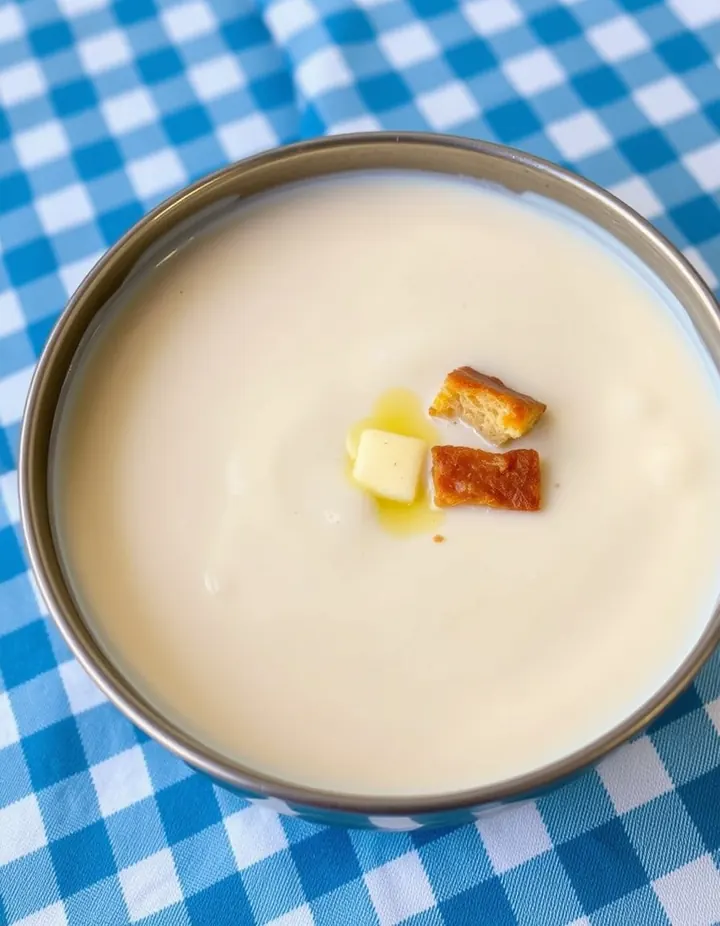 Illustration
The Sunday pairing: one pairing, the chemistry behind it, and how to cook it. No spam, unsubscribe anytime.
Prefer an account? Create a free account for sign-in; Pro adds the full results and chemistry.