Why it works: Endive and pomegranate share more aroma than cooks usually use. They rank in the top 4% of all ingredient pairs, and 10 recipes mention both. Both carry trans-2-hexenal, which smells green, leafy. The science ↓
The recipe
serves 2Ingredients
Contains: milk, tree nuts (auto-detected from the ingredients and method; we can miss things, so check labels)
Directions
Prepare the orange syrup
Slice off the top and base of each orange.
Cut down the sides of the orange, following its natural curve, to remove the skin and white pith.
Cut in between the membranes and put the individual segments into a bowl.
Squeeze the juice from the membrane and skin into a small saucepan.
Make up the juice in the pan to 110 ml with extra blood orange juice.
Add the lemon juice, syrup and a pinch of salt, and bring to a light simmer.
Leave to reduce for 20–25 minutes, until you are left with three tablespoons of thick syrup.
Strain through a fine sieve, leave to cool down, then stir in the orange blossom water.
Assemble the salad
Pull apart the radicchio leaves, tear into largish pieces and put into a salad bowl.
Add the endive leaves, oil and some salt and pepper, and toss gently.
Divide the salad between two serving plates.
Dot with the orange segments, some small red leaves and spoonfuls of ricotta, building the salad up as you go.
Drizzle with the orange syrup and finish with a scattering of pine nuts and pomegranate seeds.
This recipe comes from the Recipes Wiki on Fandom and is licensed CC BY-SA 4.0. Our formatting and summaries are shared under the same licence.
Steps grouped into stages for easier reading; the method is the source's own.
Found this recipe through an AI assistant? CompKitchen also shows which ingredients go well together and why, from the aroma molecules they share and how often recipes combine them. Try the pairing tools.
Explore the science
The flavor team
The pairs that carry this dish. Each one is judged two ways: how much aroma chemistry they share, and how many recipes mention both.
-
Endive + pomegranatetop 4% of all pairsAroma overlapstrongMentioned together10 recipes
Shared aroma: trans-2-hexenal (green, leafy).
-
Orange + lemontop 1% of all pairsAroma overlapstrongMentioned together10,632 recipes
Shared aroma: 3-hexenal (apple, fruity).
-
Lemon + peppertop 2% of all pairsAroma overlapstrongMentioned together27,039 recipes
Shared aroma: 2-nonenal (fatty, green).
-
Endive + chicorytop 2% of all pairsAroma overlapstrongMentioned together20 recipes
Shared aroma: coumarin (sweet, hay).
-
Orange + pomegranatetop 3% of all pairsAroma overlapstrongMentioned together116 recipes
Shared aroma: myrcene (balsamic, herbaceous).
Ranks compare each pair with 20,000 random ingredient pairs on CompKitchen. How we score pairs
What each ingredient does
- Blood oranges
- Provide juicy segments and the juice that becomes the sweet-tart syrup.
- Maple syrup
- Sweetens the reduced orange syrup and thickens it as it cooks down.
- Ricotta
- Adds creamy, mild richness that contrasts with the acidic citrus.
- Olive oil
- Coats the leaves lightly, adding fat and a smooth mouthfeel to the greens.
- Pine nuts
- Add toasted, buttery crunch that contrasts with the soft leaves and ricotta.
- Lemon juice
- Adds acidity that brightens the syrup and balances its sweetness.
The step that matters
Reducing the orange syrup. Simmering gently and stopping at three tablespoons concentrates the sugars and juice into a thick syrup. Cooking too long can make it sticky or bitter, while stopping early leaves it thin and watery.
Flavor stand-ins for the endive
How well each one fits the dish's main ingredients (orange, lemon, maple syrup, pepper, chicory, olive, pine):
- Capsicumbetter flavor fit
- Tomatobetter flavor fit
- Carrotbetter flavor fit
- Endivethe original
Fit is the average pairing score against orange, lemon, maple syrup, pepper, chicory, olive, pine. Candidates are from the same food group and used in at least 100 recipes. This compares flavor only: it does not check the job the ingredient does in the dish (bulk, moisture, acidity, structure).
“What each ingredient does” and “The step that matters” were written by Claude, an AI, from this recipe’s own method. They are not checked recipe by recipe, so they can be wrong.
Make it your own
Stand-ins, a drink, and quick taste fixes for this dish, ranked by how well each fits its other ingredients: shared aroma molecules and how often recipes combine them.
You might also like
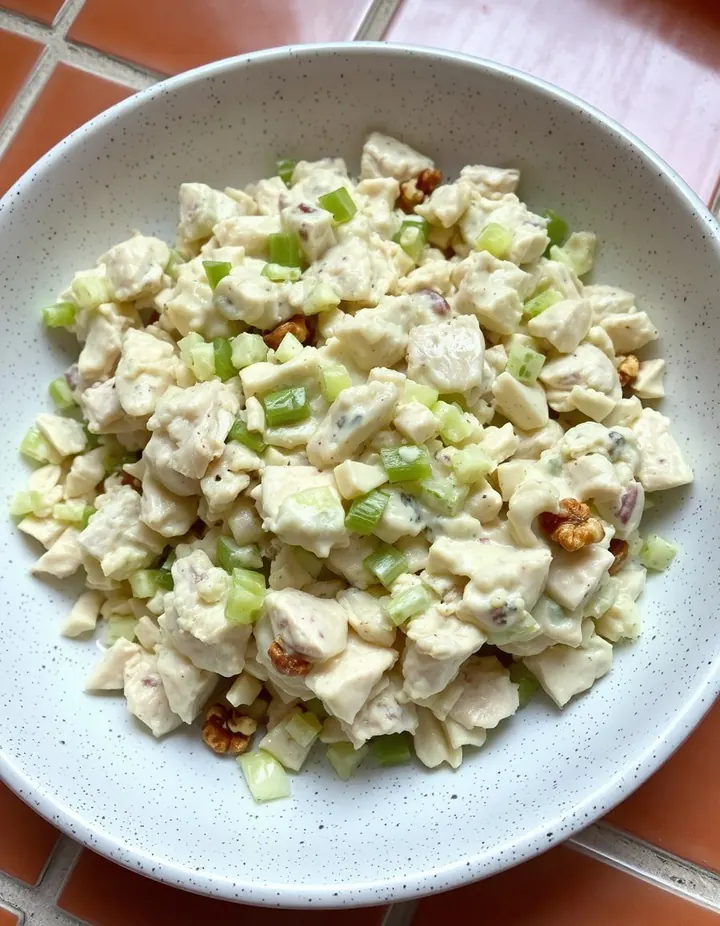 Illustration
 Illustration
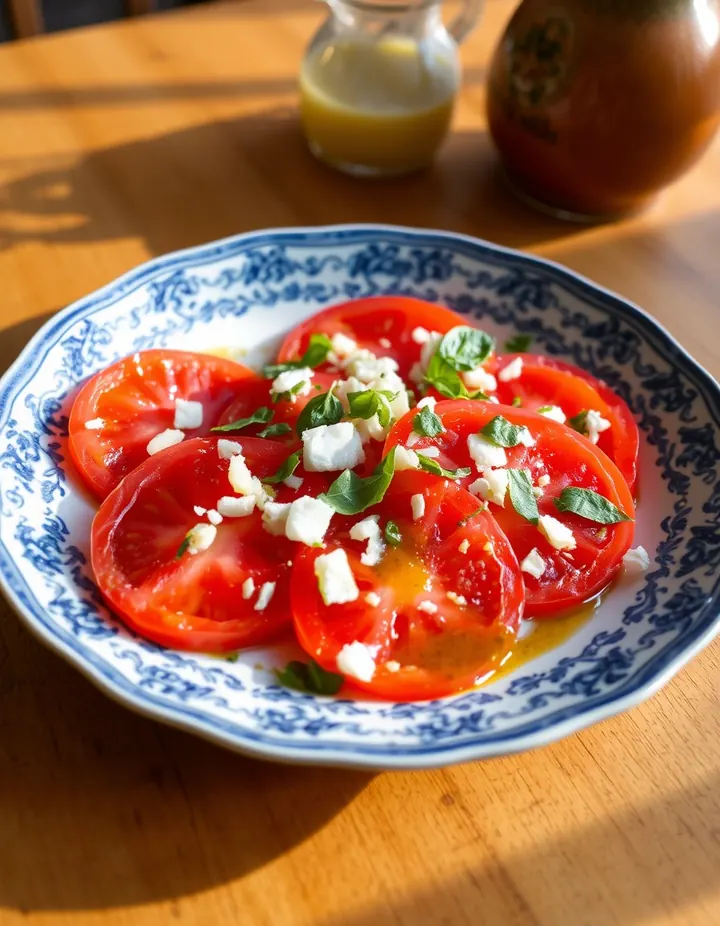 Illustration
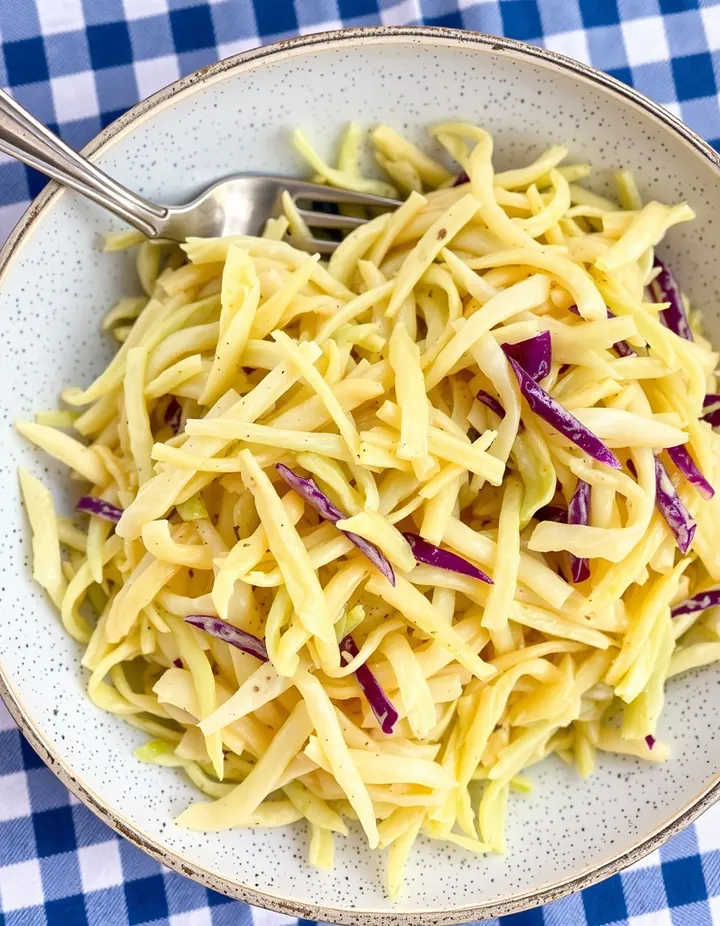 Illustration
The Sunday pairing: one pairing, the chemistry behind it, and how to cook it. No spam, unsubscribe anytime.
Prefer an account? Create a free account for sign-in; Pro adds the full results and chemistry.