Why it works: Salmon and seaweed work together. They rank in the top 4% of all ingredient pairs, and 39 recipes mention both. Both carry 2,6-nonadienal, which smells cucumber, green. The science ↓
The recipe
Ingredients
Contains: fish (auto-detected from the ingredients and method; we can miss things, so check labels)
Directions
Prepare the salmon
Rinse salmon and pat dry with a paper towel.
Sprinkle salmon with salt.
Place salmon on a rack over a cookie sheet or small dish and bake in a 400°F oven for an hour to dry it out.
Prepare the rice and fillings
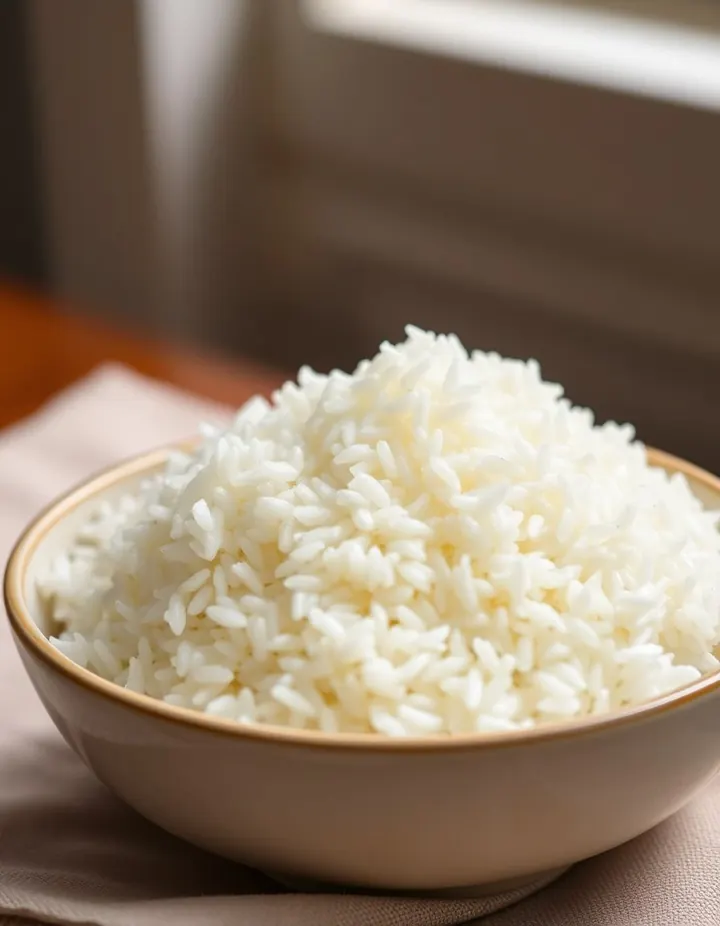
Cook rice according to package directions (i.e. without adding fat) so that it is sticky.
Prepare three bowls.
When salmon is done, grind the fillet into small pieces with a fork or mortar and pestle and place in the first bowl.
Mash seasoned plums with a fork and place in the second bowl.
Empty contents of one small bonito shaving envelope into the third bowl.
Divide rice into three portions and add one portion to each bowl.
Mix lightly to combine with the seasoning ingredients.
Shape the rice balls
Wet hands slightly.
Dip one fingertip into leftover salt and smear the salt so that it sticks on both hands.
Take one-quarter of the rice mixture from the first bowl.
Form the mixture into a ball.
Make it compact, but not so much that the grains of rice become mushy.
Form the ball into a triangle, square, or cylinder.
Repeat for the remaining rice.
Each seasoning bowl should yield four rice balls, for a total of twelve.
Place each rice ball on a piece of parchment paper to keep them from sticking.
Wrap and serve
Cut each sheet of nori into three strips lengthwise.
Cut each strip in half.
Wrap one small strip of nori around the bottom of each rice ball to form an envelope to hold it.
Serve immediately.
If you won't be serving immediately, wait to wrap the rice in the nori, as it will absorb water from the rice and lose its crunch.
Instead, wrap tightly and refrigerate.
Let the rice balls come to room temperature before serving.
Cook to a safe temperature. This method doesn't say how hot the inside should get. Check with a food thermometer in the thickest part:
- Fish: 145°F (63°C), or until the flesh is opaque and flakes easily.
Figures from the USDA's safe minimum internal temperatures.
This recipe comes from the Recipes Wiki on Fandom and is licensed CC BY-SA 4.0. Our formatting and summaries are shared under the same licence.
Steps grouped into stages for easier reading; the method is the source's own.
Found this recipe through an AI assistant? CompKitchen also shows which ingredients go well together and why, from the aroma molecules they share and how often recipes combine them. Try the pairing tools.
Explore the science
The flavor team
The pairs that carry this dish. Each one is judged two ways: how much aroma chemistry they share, and how many recipes mention both.
-
Salmon + seaweedtop 4% of all pairsAroma overlapmoderateMentioned together39 recipes
Shared aroma: 2,6-nonadienal (cucumber, green).
-
Rice + seaweedtop 5% of all pairsAroma overlapmoderateMentioned together71 recipes
Shared aroma: hexanol (green, fruity).
-
Bonito + salmontop 7% of all pairsAroma overlapmoderateMentioned together19 recipes
Shared aroma: (z)-4-heptenal (biscuit, cream).
-
Rice + salmontop 9% of all pairsAroma overlapmoderateMentioned together668 recipes
Shared aroma: guaiacol (smoky, sweet).
-
Rice + plumtop 9% of all pairsAroma overlapstrongMentioned together106 recipes
Shared aroma: 2-heptenal (green).
Ranks compare each pair with 20,000 random ingredient pairs on CompKitchen. How we score pairs
What each ingredient does
- Medium-grain rice
- Cooked without fat to become sticky, so the balls hold their shape.
- Salmon
- Provides the filling; drying it in the oven concentrates its flavor and makes it easier to crumble.
- Seasoned plums (umeboshi)
- Add salty, sour flavor that contrasts with the mild rice.
- Bonito shavings
- Add savory, smoky umami flavor to the rice mixture.
- Nori
- Adds a toasted seaweed aroma and a crisp wrapper that contrasts with the rice.
The step that matters
Compacting the rice ball. Pressing too firmly crushes the rice grains and makes them mushy, while loose shaping lets the balls fall apart. Moist hands and a light touch keep the grains intact but cohesive.
Flavor stand-ins for the plum
How well each one fits the dish's main ingredients (rice, bonito, salmon, seaweed):
- Avocadobetter flavor fit
- Limebetter flavor fit
- Lemonbetter flavor fit
- Plumthe original
Fit is the average pairing score against rice, bonito, salmon, seaweed. Candidates are from the same food group and used in at least 100 recipes. This compares flavor only: it does not check the job the ingredient does in the dish (bulk, moisture, acidity, structure).
“What each ingredient does” and “The step that matters” were written by Claude, an AI, from this recipe’s own method. They are not checked recipe by recipe, so they can be wrong.
Make it your own
Stand-ins, a drink, and quick taste fixes for this dish, ranked by how well each fits its other ingredients: shared aroma molecules and how often recipes combine them.
You might also like
 Illustration
 Illustration
 Illustration
 Illustration
The Sunday pairing: one pairing, the chemistry behind it, and how to cook it. No spam, unsubscribe anytime.
Prefer an account? Create a free account for sign-in; Pro adds the full results and chemistry.