Why it works: Grape and onion match in chemistry and in kitchens. They rank in the top 10% of all ingredient pairs, and 1,607 recipes mention both. Both carry 2-isopropyl-3-methoxypyrazine, which smells earthy, pea. The science ↓
The recipe
Ingredients
Contains: milk (auto-detected from the ingredients and method; we can miss things, so check labels)
Also mentioned in the method: yogurt
Directions
Prepare
Bring water to a boil in a large pot.
Blanch grape leaves in boiling water for 1–2 minutes.
Drain and set the leaves aside.
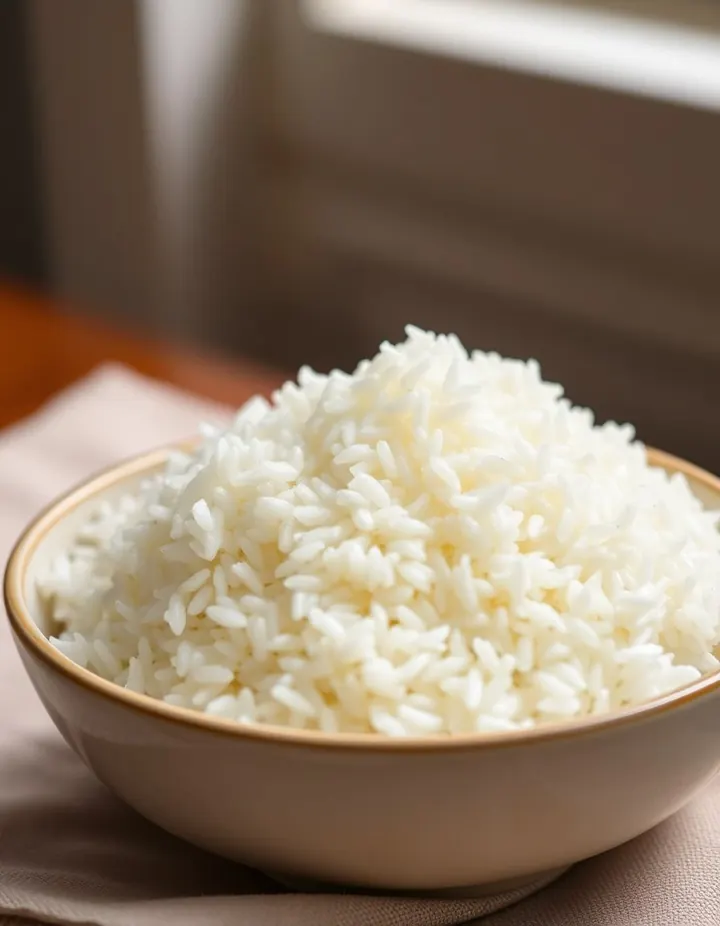
Combine rice, onion, parsley, dill, mint, olive oil, lemon juice, cumin, coriander, salt, and pepper in a bowl; mix well.
Roll the leaves
Place a grape leaf on a clean surface, shiny side down; trim the stem if needed.
Put about a tablespoon of the rice mixture in the center of the leaf.
Fold the sides inward and roll the leaf tightly.
Repeat until all filling is used.
Cook and serve
Line the bottom of a large pot with a few grape leaves to prevent sticking.
Arrange the stuffed leaves in layers, placing them closely together.
Add enough water to cover the stuffed grape leaves.
Place a heatproof plate or lid on top to keep them pressed down.
Cover the pot and simmer over medium-low heat for 45 minutes to 1 hour until the rice is cooked and the leaves are tender.
Remove the stuffed grape leaves and transfer them to a serving dish.
Serve warm or at room temperature, optionally with yogurt or a dipping sauce.
Steps grouped into stages for easier reading; the method is the source's own.
Found this recipe through an AI assistant? CompKitchen also shows which ingredients go well together and why, from the aroma molecules they share and how often recipes combine them. Try the pairing tools.
Explore the science
The flavor team
The pairs that carry this dish. Each one is judged two ways: how much aroma chemistry they share, and how many recipes mention both.
-
Grape + oniontop 10% of all pairsAroma overlapstrongMentioned together1,607 recipes
Shared aroma: 2-isopropyl-3-methoxypyrazine (earthy, pea).
-
Parsley + dilltop 1% of all pairsAroma overlapstrongMentioned together668 recipes
Shared aroma: p-mentha-1,3,8-triene (camphor, herbal).
-
Parsley + lemontop 1% of all pairsAroma overlapstrongMentioned together14,036 recipes
Shared aroma: beta-phellandrene (minty, terpene).
-
Dill + lemontop 1% of all pairsAroma overlapstrongMentioned together976 recipes
Shared aroma: beta-phellandrene (minty, terpene).
-
Mint + lemontop 2% of all pairsAroma overlapstrongMentioned together1,998 recipes
Shared aroma: beta-phellandrene (minty, terpene).
Ranks compare each pair with 20,000 random ingredient pairs on CompKitchen. How we score pairs
What each ingredient does
- Long-grain rice
- Forms the bulk of the filling and turns tender and fluffy as it simmers.
- Olive oil
- Adds fat that carries flavour and keeps the filling moist.
- Lemon juice
- Adds acidity that brightens the herbs and balances the richness of the oil.
- Fresh parsley, dill and mint
- Provide fresh aroma and flavour that make up most of the filling's character.
- Grape leaves
- Wrap the filling and become tender during simmering, holding the rolls together.
The step that matters
Roll the leaves tightly and pack them closely in the pot. Tight rolls keep the filling from falling out, and closely packed layers under a weight stop the rolls from unfurling or floating as the water simmers.
Flavor stand-ins for the onion
How well each one fits the dish's main ingredients (grape, rice, parsley, dill, mint, olive, lemon):
- Carrotbetter flavor fit
- Tomatobetter flavor fit
- Potatobetter flavor fit
- Onionthe original
Fit is the average pairing score against grape, rice, parsley, dill, mint, olive, lemon. Candidates are from the same food group and used in at least 100 recipes. This compares flavor only: it does not check the job the ingredient does in the dish (bulk, moisture, acidity, structure).
“What each ingredient does” and “The step that matters” were written by Claude, an AI, from this recipe’s own method. They are not checked recipe by recipe, so they can be wrong.
Make it your own
Stand-ins, a drink, and quick taste fixes for this dish, ranked by how well each fits its other ingredients: shared aroma molecules and how often recipes combine them.
You might also like
 Illustration
 Illustration
 Illustration
 Illustration
The Sunday pairing: one pairing, the chemistry behind it, and how to cook it. No spam, unsubscribe anytime.
Prefer an account? Create a free account for sign-in; Pro adds the full results and chemistry.