Why it works: Grape and dill share more aroma than cooks usually use. They rank in the top 9% of all ingredient pairs, and 92 recipes mention both. Both carry 2-isopropyl-3-methoxypyrazine, which smells earthy, pea. The science ↓
The recipe
20 +Ingredients
Directions
Prepare the filling
Soak leaves in boiling hot water to soften, about 15 minutes.
Combine the rice, turmeric, pepper, salt, mint, raisins, dill, parsley and green onions.
Stuff and roll
Place some of the rice mixture on a leaf, close to one end. Fold the three smaller ends of the leaf over the filling. Roll up the remainder like a sleeping bag or mat.
Repeat with remaining rice and leaves.
Cook and serve
Place stuffed leaves in pot with a little water, oil, and lemon juice—the liquid should just barely cover the stuffed leaves.
Cover pot with lid. First bring to a boil, then lower heat. Cook over low heat until the rice is cooked.
Place sliced lemon on top of stuffed grape leaves for added flavour, and serve.
Steps grouped into stages for easier reading; the method is the source's own.
Found this recipe through an AI assistant? CompKitchen also shows which ingredients go well together and why, from the aroma molecules they share and how often recipes combine them. Try the pairing tools.
Explore the science
The flavor team
The pairs that carry this dish. Each one is judged two ways: how much aroma chemistry they share, and how many recipes mention both.
-
Grape + dilltop 9% of all pairsAroma overlapstrongMentioned together92 recipes
Shared aroma: 2-isopropyl-3-methoxypyrazine (earthy, pea).
-
Dill + parsleytop 1% of all pairsAroma overlapstrongMentioned together668 recipes
Shared aroma: p-mentha-1,3,8-triene (camphor, herbal).
-
Pepper + parsleytop 2% of all pairsAroma overlapstrongMentioned together34,118 recipes
Shared aroma: 4'-methylacetophenone (bitter almond).
-
Rice + turmerictop 3% of all pairsAroma overlapmoderateMentioned together1,929 recipes
Shared aroma: guaiacol (smoky, sweet).
-
Pepper + dilltop 3% of all pairsAroma overlapstrongMentioned together1,630 recipes
Shared aroma: 2-isopropyl-3-methoxypyrazine (earthy, pea).
Ranks compare each pair with 20,000 random ingredient pairs on CompKitchen. How we score pairs
What each ingredient does
- Uncooked rice
- Forms the bulk of the filling and absorbs liquid as it cooks, becoming tender and fluffy.
- Grape leaves
- Act as an edible wrapper that holds the filling together while the parcels steam.
- Lemon
- Adds acidity that brightens the flavour of the rice and leaves.
- Raisins
- Add sweetness and chewy texture that balances the herbs and spices.
- Cooking oil
- Adds fat that gives the leaves a richer flavour and softer texture.
The step that matters
Keep the liquid level low and the heat low. The pot should hold only enough liquid to just cover the parcels. Too much water makes the leaves soggy and can break the rolls apart, while a rapid boil can scorch the bottom and leave the rice unevenly cooked.
Flavor stand-ins for the raisin
How well each one fits the dish's main ingredients (grape, rice, turmeric, pepper, mint, dill, parsley):
- Lemonbetter flavor fit
- Limebetter flavor fit
- Mangobetter flavor fit
- Raisinthe original
Fit is the average pairing score against grape, rice, turmeric, pepper, mint, dill, parsley. Candidates are from the same food group and used in at least 100 recipes. This compares flavor only: it does not check the job the ingredient does in the dish (bulk, moisture, acidity, structure).
“What each ingredient does” and “The step that matters” were written by Claude, an AI, from this recipe’s own method. They are not checked recipe by recipe, so they can be wrong.
Make it your own
Stand-ins, a drink, and quick taste fixes for this dish, ranked by how well each fits its other ingredients: shared aroma molecules and how often recipes combine them.
You might also like
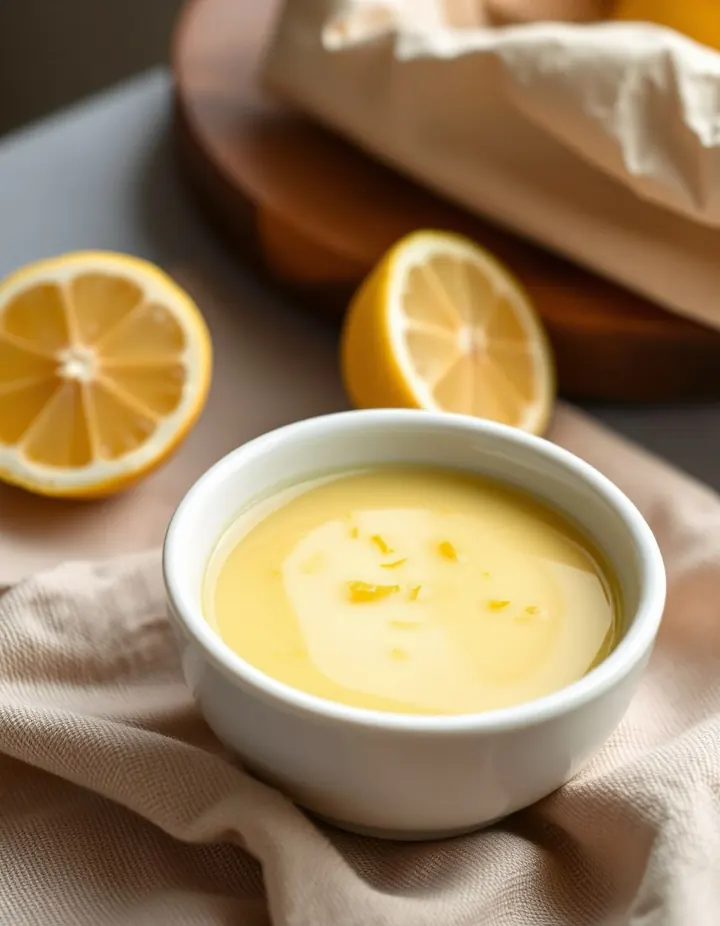 Illustration
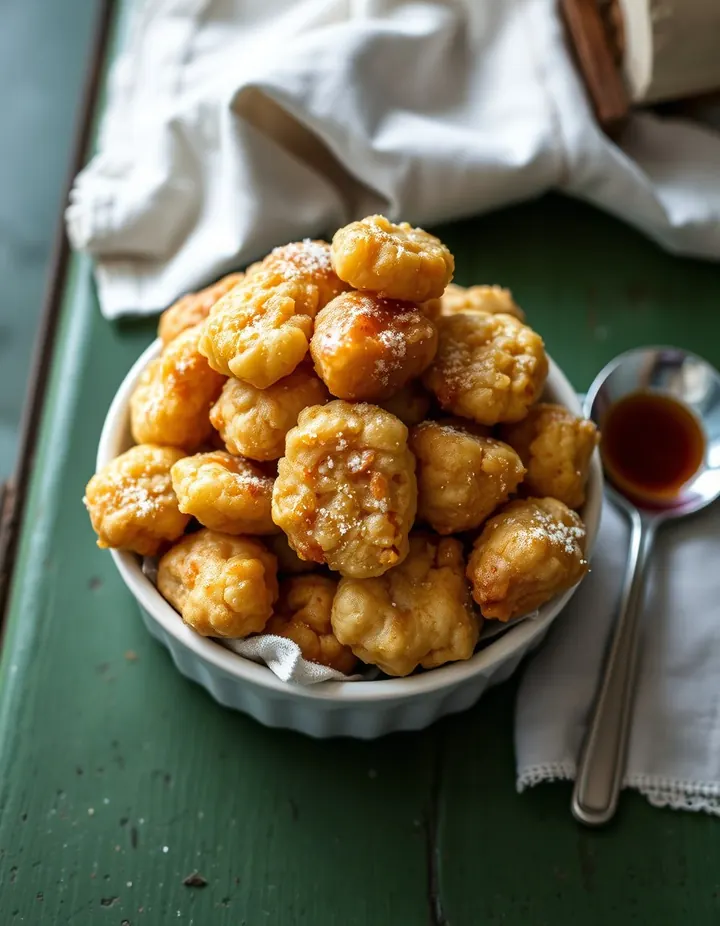 Illustration
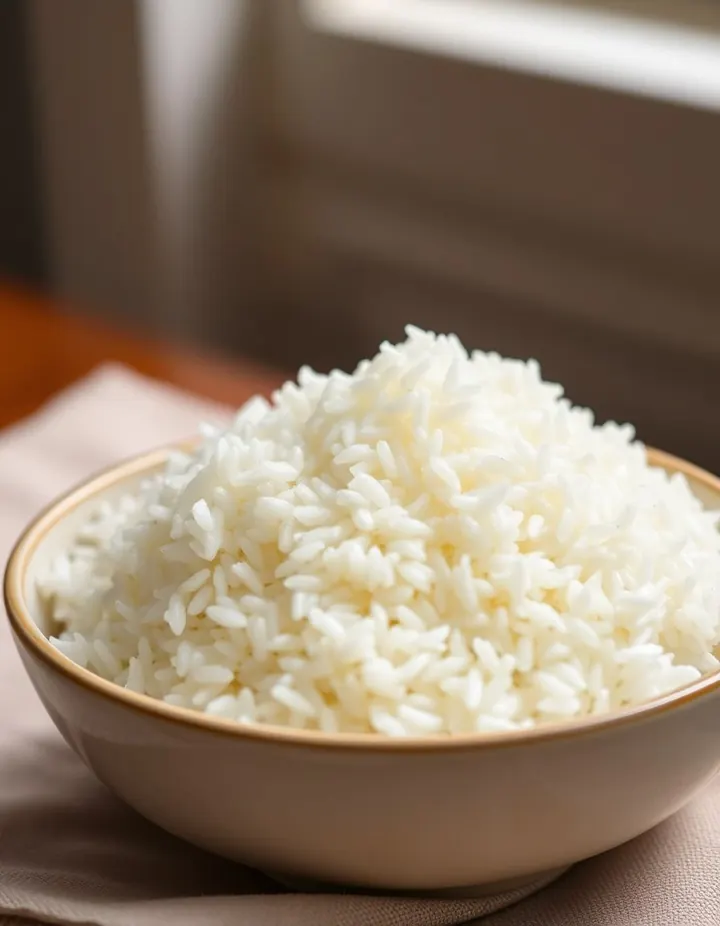 Illustration
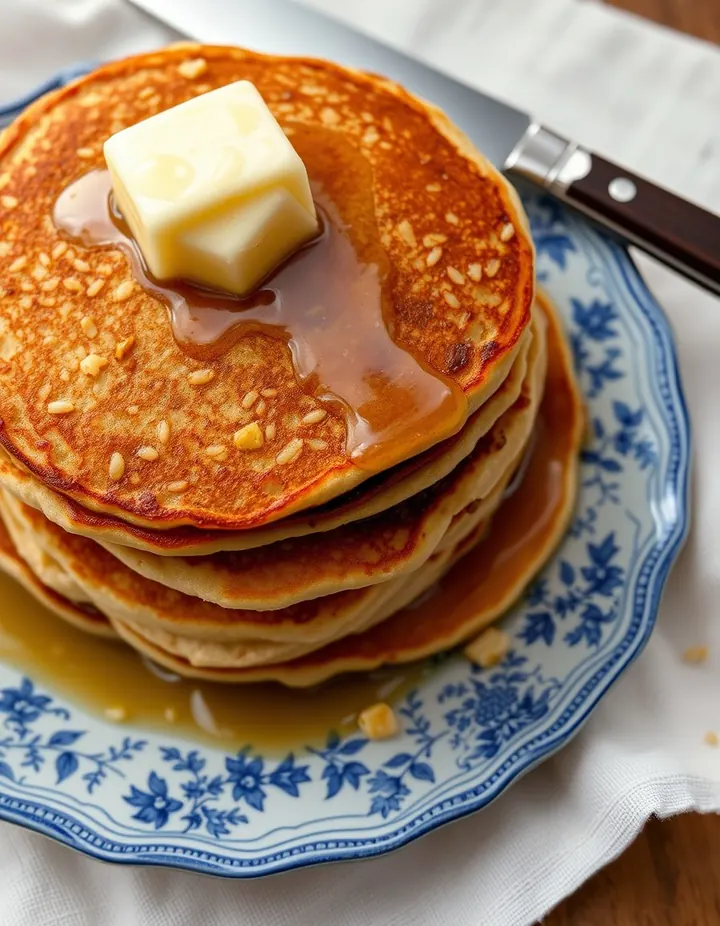 Illustration
The Sunday pairing: one pairing, the chemistry behind it, and how to cook it. No spam, unsubscribe anytime.
Prefer an account? Create a free account for sign-in; Pro adds the full results and chemistry.