Why it works: Pineapple and vanilla match in chemistry and in kitchens. They rank in the top 2% of all ingredient pairs, and 911 recipes mention both. Both carry ethyl isobutyrate, which smells fruity, ethereal. The science ↓
The recipe
Ingredients
Contains: egg, milk, wheat, tree nuts (auto-detected from the ingredients and method; we can miss things, so check labels)
Directions
Make the cake
Beat well together with the butter for four or five minutes.
Add another egg, which also beat five minutes, and then another, and beat all together the same length of time, and mix with the foregoing half a pound of flour, four ounces of currants, and the same of raisins, which you have stoned.
Butter a mold, put a piece of paper in the bottom, and also around the sides, pour your mixture into the mold, and send it to a moderate oven for about an hour.
Pass the point of a knife into your cake, and, if it comes out dry, it is sufficiently done.
Make the Bavarian creams
Butter a tin mold, the bottom and sides of which line with lady fingers.
Whip a pint of cream until quite firm, and put it on the ice.
Dissolve half an ounce of gelatine in about a sherry-glass of hot water, then add four ounces of sugar.
Boil a sherry-glass of milk, remove it from the fire, and mix with it four eggs, stirring rapidly.
Strain your gelatine and sugar, and add them, with a teaspoonful of vanilla, to your other ingredients, and mix all well together.
When beginning to stiffen, add your whipped cream, which remove from the bowl with a skimmer, so as to drain off all moisture.
Fill your mold with the cream, put it on ice for an hour, take it out of the mold, and serve.
Dissolve a quarter of an ounce of gelatine in three or four tablespoonfuls of hot water, then add to it four ounces of powdered sugar, and put it through a sieve.
Whip a pint of cream, and, when firm, put it on ice for a quarter of an hour.
Press four ounces of strawberries through a sieve, which put in a bowl with your gelatine and sugar.
When beginning to stiffen slightly, add your whipped cream, which remove from the bowl with a skimmer, so as to drain off all moisture.
Mix all well together, and pour into a mold, which put on ice for about an hour.
Then turn your cream out of the mold, and serve.
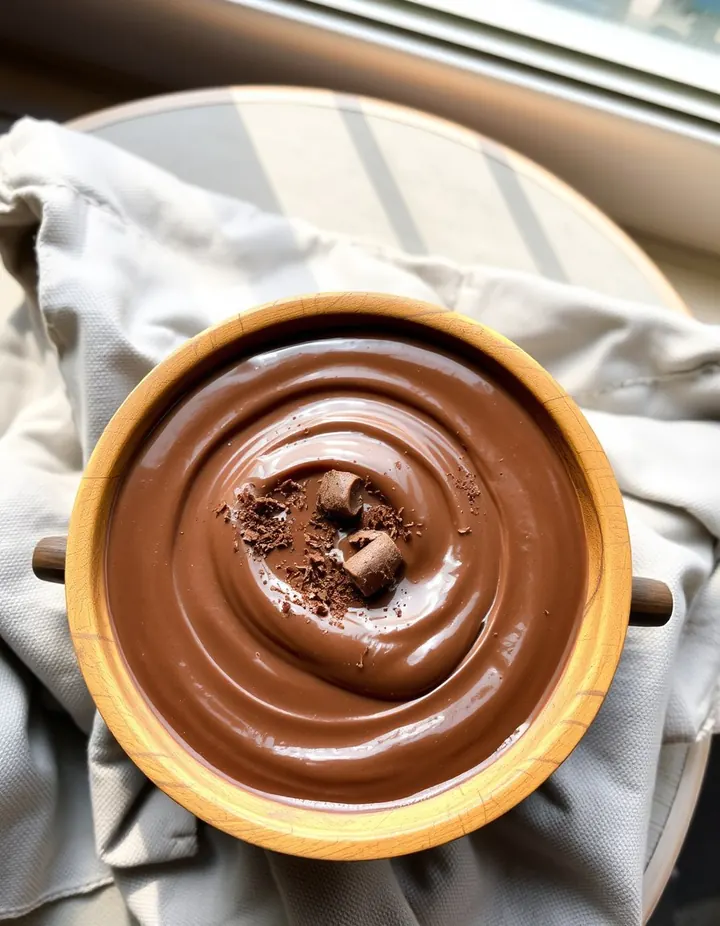
Prepare exactly as for the foregoing, adding two ounces of chocolate which you have previously melted.
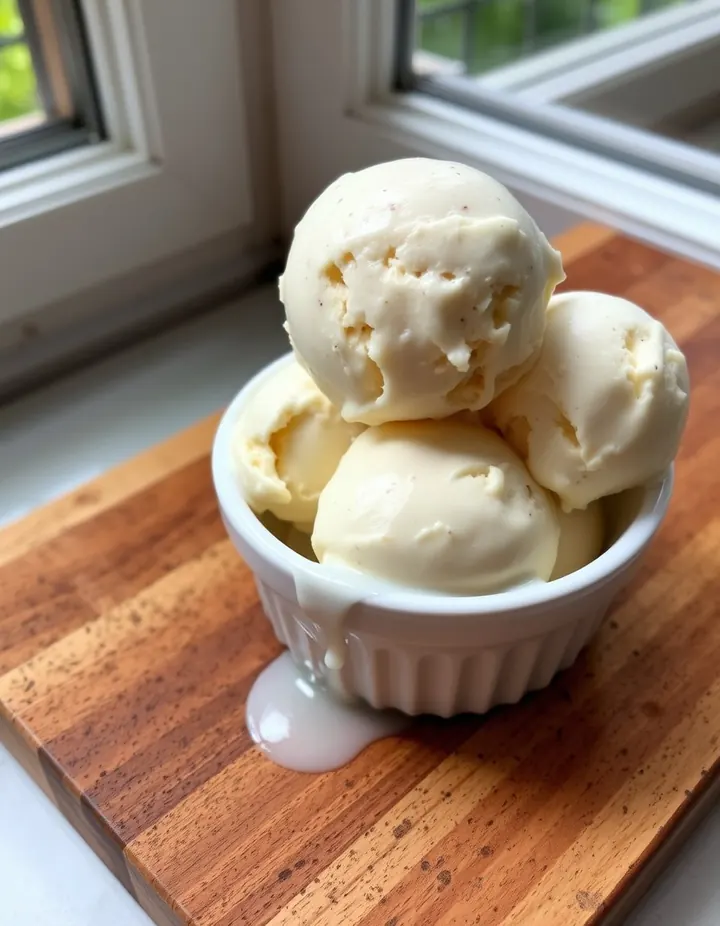
Proceed as for Bavarian strawberry cream (Art. 576), except that instead of adding strawberries, flavor with a tea-spoonful of vanilla.
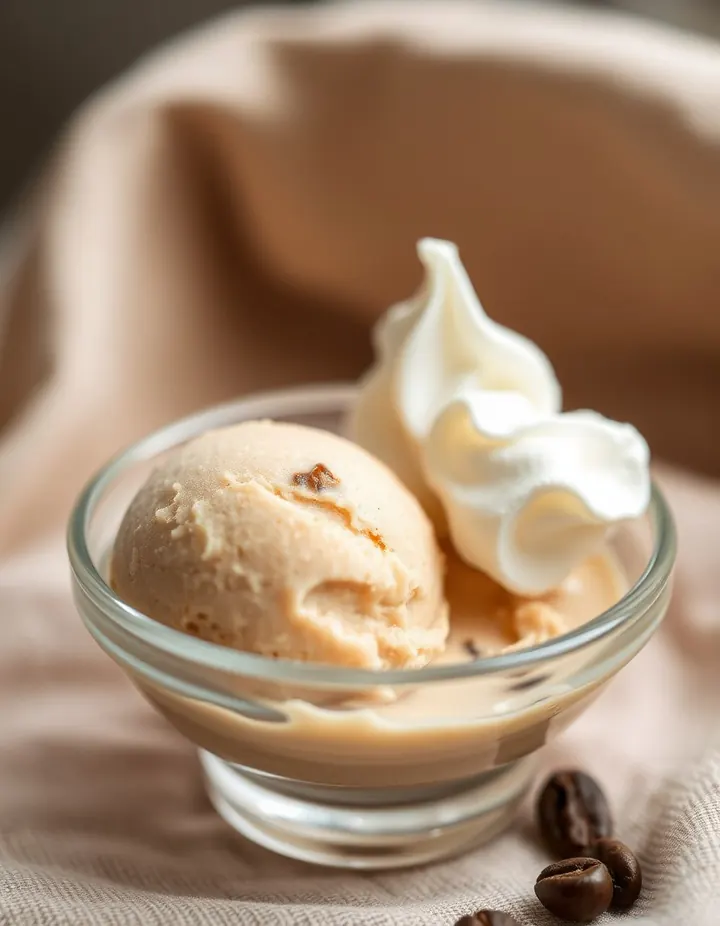
Proceed as for Bavarian strawberry cream (Art. 576), but, instead of strawberries, flavor with a tablespoonful of essence of coffee.
Make the jelly
Dissolve two ounces of gelatine in a pint and a half of very hot water on the fire, and, when melted, add ten ounces of sugar.
Beat three whites of eggs with half a glass of water, which mix with your gelatine, stirring quickly with an egg-beater.
Then put all on the fire until boiling, then remove to the back of the range to simmer gently for half an hour.
Strain your jelly through a flannel until perfectly clear, and add three sherry-glasses of rum.
Pour it into a mold, which put on the ice until sufficiently stiff to turn out.
Proceed as for the foregoing, adding a pint and a quarter of water (instead of a pint and a half), the juice of a lemon, a very small piece of cinnamon stick, a gill of sherry, and a sherry-glass of brandy.
Finish as the preceding.
Make the meringues, fruit jelly and nougat
Beat the whites of eight eggs as stiff as possible, then mix with them lightly three quarters of a pound of sugar; but do not beat them after adding the sugar.
Fill a tablespoon with your beaten eggs, which place in oval form on a board slightly moistened and covered with a sheet of white paper; continue until your eggs are all used, and place each spoonful about an inch apart from the other.
Send to a very gentle oven, with the door shut, for about ten minutes, and, if sufficiently firm, remove them, turn them over on a pan, which put in a very gentle oven for about three quarters of an hour; take them out, press them in the middle with your thumb, so as to render them hollow, and, when cold, fill them with whipped cream to which you have added two ounces of sugar and a teaspoonful of vanilla.
When the weather is very hot, and it is sometimes difficult to whip cream, put it in a bowl, which place in a larger one, and surround the smaller with cracked ice, mixed with a little rock salt.
Dissolve on the fire two ounces of gelatine in three or four tablespoonfuls of water, add ten ounces of sugar, and, when melted, remove from the fire.
Mix the whites of three eggs in half a glass of water, add to your gelatine, stirring quickly with an egg-beater.
Then put all on the fire until boiling, then remove to the back of the range to simmer gently for half an hour.
Strain your jelly through a flannel until perfectly clear; pour a little of it into a mold, and, when the jelly is sufficiently stiff, place on top of it two dozen very red cherries from which you have removed the stones, an ounce of white currants, the same of red, two ounces of pineapple, and the same of raspberries, or strawberries if in season.
Pour the rest of your jelly into the mold, which put on the ice until sufficiently stiff to turn out of the mold.
Remove the shells from three dozen French chestnuts, boil the chestnuts five minutes in water, then peel off the skin which covers them, put them in a saucepan on the fire, with enough water to cover them, and two ounces of sugar; boil them until soft, without breaking, and drain them.
Put in a saucepan on the fire four yolks of eggs, three ounces of sugar, a teacupful of black coffee, and half a glass of cream.
Stir until just before boiling, then strain it, allow it to become cold, pour it over your marrons, and serve.
Put half a pound of almonds in boiling water for two or three minutes, remove the skins, wash the almonds, and cut them each in seven or eight long strips, then put them in the oven to dry.
Put in a copper or well-enameled saucepan, on the fire, five ounces of powdered sugar, which be careful to stir very gently until coloured brown, then add your almonds, which should be slightly browned and very hot.
Mix all together, rub a little oil lightly over a pan, into which pour your nougat, cut it in.
Transcribed from a scanned cookbook and modernised for today's kitchens. Where the book gave no heat or time, or said "a moderate oven", the temperatures and times here may be modern equivalents rather than the book's own figures. See the original page.
Found this recipe through an AI assistant? CompKitchen also shows which ingredients go well together and why, from the aroma molecules they share and how often recipes combine them. Try the pairing tools.
Explore the science
The flavor team
The pairs that carry this dish. Each one is judged two ways: how much aroma chemistry they share, and how many recipes mention both.
-
Pineapple + vanillatop 2% of all pairsAroma overlapstrongMentioned together911 recipes
Shared aroma: ethyl isobutyrate (fruity, ethereal).
-
Chocolate + vanillatop 2% of all pairsAroma overlapmoderateMentioned together10,018 recipes
Shared aroma: sotolon (curry, maple).
-
Pineapple + sherrytop 3% of all pairsAroma overlapstrongMentioned together228 recipes
Shared aroma: ethyl isobutyrate (fruity, ethereal).
-
Sherry + vanillatop 3% of all pairsAroma overlapstrongMentioned together506 recipes
Shared aroma: piperonal (bitter, coconut).
-
Sugar + vanillatop 3% of all pairsAroma overlaplowMentioned together35,031 recipes
Shared aroma: beta-damascenone (apple, rose).
Sugar and vanilla share little aroma chemistry, yet 35,031 recipes mention both: they likely work on texture and structure more than aroma.
Ranks compare each pair with 20,000 random ingredient pairs on CompKitchen. How we score pairs
What each ingredient does
- Flour
- Gives the cake its structure as the eggs and butter set in the oven.
- Eggs
- Give the cake structure and give the creams and meringues lift and body.
- Gelatine
- Sets the cream and jelly so they hold their shape when turned out.
- Cream
- Whipped until firm, it gives the Bavarian creams a light, airy texture.
- Sugar
- Sweetens the creams and jellies and helps steady the whipped egg whites.
The step that matters
Adding the whipped cream as the mixture begins to stiffen. Gelatine sets as it cools. Adding the cream too early lets it sink and separate, while adding it too late stops it blending evenly. Draining the cream removes moisture that would thin the set.
Flavor stand-ins for the currant
How well each one fits the dish's main ingredients (sugar, chocolate, pineapple, flour, cream, sherry, vanilla):
- Strawberrybetter flavor fit
- Raspberrybetter flavor fit
- Figbetter flavor fit
- Currantthe original
Fit is the average pairing score against sugar, chocolate, pineapple, flour, cream, sherry, vanilla. Candidates are from the same food group and used in at least 100 recipes. This compares flavor only: it does not check the job the ingredient does in the dish (bulk, moisture, acidity, structure).
“What each ingredient does” and “The step that matters” were written by Claude, an AI, from this recipe’s own method. They are not checked recipe by recipe, so they can be wrong.
Make it your own
Stand-ins, a drink, and quick taste fixes for this dish, ranked by how well each fits its other ingredients: shared aroma molecules and how often recipes combine them.
You might also like
 Illustration
 Illustration
 Illustration
 Illustration
The Sunday pairing: one pairing, the chemistry behind it, and how to cook it. No spam, unsubscribe anytime.
Prefer an account? Create a free account for sign-in; Pro adds the full results and chemistry.