Why it works: Beans and pepper match in chemistry and in kitchens. They rank in the top 7% of all ingredient pairs, and 4,733 recipes mention both. Both carry 2-isopropyl-3-methoxypyrazine, which smells earthy, pea. The science ↓
The recipe
Ingredients
Contains: milk, wheat (auto-detected from the ingredients and method; we can miss things, so check labels)
Directions
Snap the ends and strings off the 2 quarts of beans and break into pieces. Rinse the beans under cold running water and drain.
Bring a large pot of water to a boil, add the beans, and boil for 15 minutes. Drain well.
Return the beans to the pot with 2 quarts of fresh boiling water. Simmer until a fork pierces them easily, about 30 to 45 minutes.
Work 1.5 tablespoons of butter into 2 tablespoons of flour until it forms a smooth paste.
Reduce the heat to low. Season the beans with salt and pepper to taste, then stir in the butter-flour paste in small bits.
Add the sweet cream and simmer gently, stirring, for 2 to 3 minutes until slightly thickened. Do not let the cream boil hard.
Serve hot, with extra butter, salt, pepper and vinegar on the table as you like.
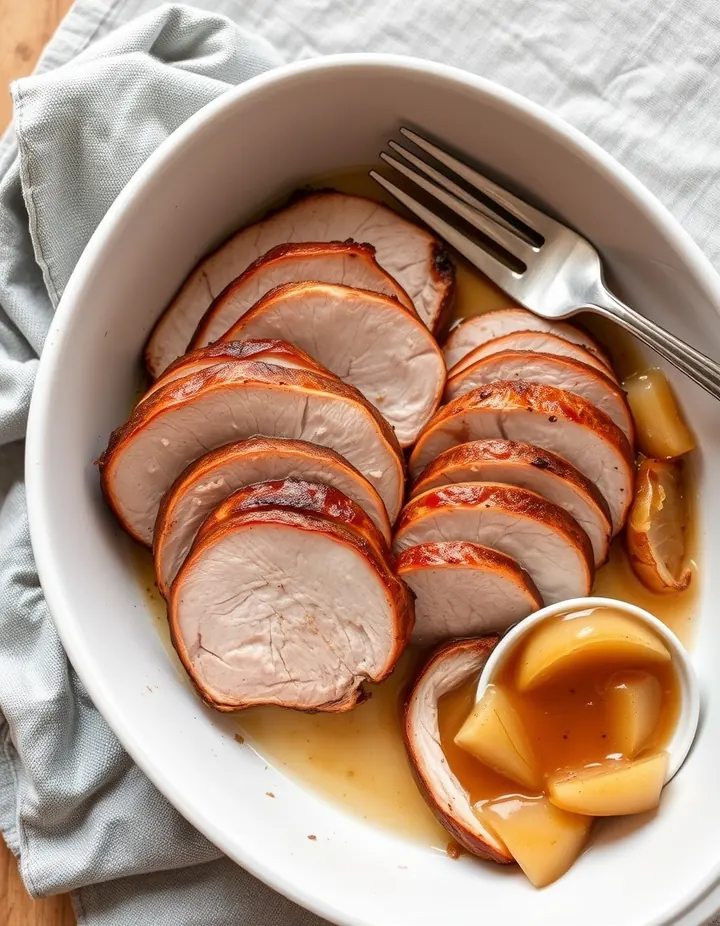
Salted pork option: pat the piece of salted pork dry with paper towels. Do not rinse it. Simmer in water for 1 hour until the thickest part reaches 145°F (63°C), then rest 3 minutes.
Add the beans to the pork pot and simmer until tender, about 30 to 45 minutes. Slice the pork and serve it with the beans.
Refrigerate leftovers in a covered container within 2 hours. Eat cooked beans and pork within 3 to 4 days.
Original text from the book (4 steps)
String, snap and wash two quarts beans, boil in plenty of water about fifteen minutes, drain off and put on again in about two quarts of boiling water; boil an hour and a half, and add salt and pepper just before taking up, stirring in one and a half table-spoons butter rubbed into two table-spoons flour and half pint sweet cream. Or, boil a piece of salted pork one hour, then add beans and boil an hour and a half. For shelled beans boil half an hour in water.
Remove leaves, wash clean, being careful not to break off the little fibers and rootlets, as the juices would thereby es- •■ cape and they would lose their color; boil in plenty of water, if young, two hours, if old, four or five hours, trying with a fork to see when tender: take out, drop in a pan of cold water, and slip off the skin with the hands; slice those needed for immediate use, place in a dish, add salt, pepper, butter, and if not very sweet a tea-spoon sugar, and serve with or without vinegar; put those which remain into a stone jar whole, cover with vinegar, keep in a cool place, take out as wanted, slice and serve. A few pieces of horse-radish put into the jar will
Vegetables.
prevent a white scum on the vinegar. Or, roast in hot ashes and when tender, peel, slice, and dress with salt, pepper, but- ter and vinegar.
From a scanned old cookbook. The method has been rewritten by AI to follow current food-safety guidance (safe cooking temperatures, refrigeration, no raw-egg shortcuts). It hasn't been kitchen-tested. The original text is under the method. See the original page.
Found this recipe through an AI assistant? CompKitchen also shows which ingredients go well together and why, from the aroma molecules they share and how often recipes combine them. Try the pairing tools.
Explore the science
The flavor team
The pairs that carry this dish. Each one is judged two ways: how much aroma chemistry they share, and how many recipes mention both.
-
Beans + peppertop 7% of all pairsAroma overlapstrongMentioned together4,733 recipes
Shared aroma: 2-isopropyl-3-methoxypyrazine (earthy, pea).
-
Cream + buttertop 3% of all pairsAroma overlapstrongMentioned together41,494 recipes
Shared aroma: delta-dodecalactone (sweet, creamy).
-
Beans + porktop 5% of all pairsAroma overlapstrongMentioned together1,999 recipes
Shared aroma: 2-isopropyl-3-methoxypyrazine (earthy, pea).
-
Pork + buttertop 6% of all pairsAroma overlapstrongMentioned together13,848 recipes
Shared aroma: 2,6-nonadienal (cucumber, green).
-
Butter + flourtop 6% of all pairsAroma overlaplowMentioned together122,858 recipes
Shared aroma: isobutyraldehyde (malty, green).
Butter and flour share little aroma chemistry, yet 122,858 recipes mention both: they likely work on texture and structure more than aroma.
Ranks compare each pair with 20,000 random ingredient pairs on CompKitchen. How we score pairs
Make it your own
Stand-ins, a drink, and quick taste fixes for this dish, ranked by how well each fits its other ingredients: shared aroma molecules and how often recipes combine them.
More string beans recipes
You might also like
 Illustration
 Illustration
 Illustration
 Illustration
The Sunday pairing: one pairing, the chemistry behind it, and how to cook it. No spam, unsubscribe anytime.
Prefer an account? Create a free account for sign-in; Pro adds the full results and chemistry.