Why it works: Malt and beer share more aroma than cooks usually use. They rank in the top 5% of all ingredient pairs, and 47 recipes mention both. Both carry beta-damascenone, which smells apple, rose. The science ↓
The recipe
Ingredients
Contains: wheat (auto-detected from the ingredients and method; we can miss things, so check labels)
Directions
Clean and sanitize every piece of equipment: the copper, mash-tub, underback, cooling tubs, funnel, sticks, baskets and barrels. Soak the tubs half full of water the day before, then dry them in the open air.
Use soft, clean water, such as fresh rain or brook water, as the book advises. For a home batch, keep the book's ratio of 2 bushels of malt and 2 pounds of hops to 54 gallons of water.
Early in the morning, bring the water to a boil and fill the mash-tub more than three-parts full. Let it cool to about 150-160°F (66-71°C), then stir in the malt for ten minutes. Cover and steep for three hours.
Run the wort off into the underback through the tapwaist, as the book describes, and keep the grains back.
Return the wort to the copper and bring it to a boil. Add half the hops once boiling has begun, boil about 60 minutes in total, and add the other half for the second boiling, as the book directs.
Strain the hot wort through the wicker basket into the cooling tubs. Cool it to about 70°F (21°C), which can take several hours. Do not add yeast while it is still hot.
Add the pint of good yeast to the cooled wort and transfer it to a clean fermenting container fitted with an airlock. Keep it at room temperature, away from sunlight, until bubbling slows, usually about a week.
Check fermentation with a hydrometer. Bottle only when the reading is the same on 3 days in a row. Do not rely on bubbles alone.
Fill sanitized bottles made for carbonated drinks, cap them, and store them cool and out of light until carbonated. Chill before serving.
Original text from the book (2 steps)
For reference only, not instructions. This text may include storage, bottling, preserving or cooking steps that don't meet current food-safety guidance. Use the method above.
The first preparatory step towards brewing is to gather your necessary plant together in proper working order, and thoroughly clean. Your plant or utensils must consist of the following articles, viz.:--A thirty-gallon copper, two cooling-tubs capable of holding each about thirty gallons; a mash-tub of sufficient size to contain fifty-four gallons, and another tub of smaller size, called an underback; a bucket or pail, a wooden hand-bowl, a large wooden funnel, a mash-stirrer, four scraped long stout sticks, a good-sized loose-wrought wicker basket for straining the beer, and another small bowl-shaped wicker basket, called a tapwaist, to fasten inside the mash-tub on to the inner end of the spigot and faucet, to keep back the grains when the wort is being run off out of the mash-tub. You will also require some beer barrels, a couple of brass or metal cocks, some vent-pegs, and some bungs. I do not pretend to assert that the whole of the foregoing articles are positively indispensable for brewing your own beer. I merely enumerate what is most proper to be used; leaving the manner and means of replacing such of these articles as may be out of your reach very much to your intelligence in contriving to use such as you possess, or can borrow from a neighbour, instead. Spring water, from its hardness, is unfit for brewing; fresh fallen rain water, caught in clean tubs, or water fetched from a brook or river, are best adapted for brewing; as, from the fact of their being free from all calcareous admixture, their consequent softness gives them the greater power to extract all the goodness and strength from the malt and hops.
In order to ensure having good wholesome beer, it is necessary to calculate your brewing at the rate of two bushels of malt and two pounds of hops to fifty-four gallons of water; these proportions, well managed, will produce three kilderkins of good beer. I recommend that you should use malt and hops of the best quality only; as their plentiful yield of beneficial substance fully compensates for their somewhat higher price. A thin shell, well filled up plump with the interior flour, and easily bitten asunder, is a sure test of good quality in malt; superior hops are known by their light greenish-yellow tinge of colour, and also by their bright, dry, yet somewhat gummy feel to the touch, without their having any tendency to clamminess. The day before brewing, let all your tackle be well scrubbed and rinsed clean, the copper wiped out, and all your tubs and barrels half filled with cold water, to soak for a few hours, so as to guard against any chance of leakage, and afterwards emptied, and set to dry in the open air, weather permitting; or otherwise, before the fire. Fasten the tapwaist inside the mash-tub to the inner end of the faucet and spigot, taking care to place the mash-tub in an elevated position, resting upon two benches or stools. Early in the dawn of morning, light the fire under your copper, filled with water over-night, and, as soon as it boils, with it fill the mash-tub rather more than three-parts full; and as soon as the first heat of the water has subsided, and you find that you are able to bear your fingers drawn slowly through it without experiencing pain, you must then throw in the malt, stirring it about for ten minutes or so; then lay some sticks across the mash-tub, and cover it with sacks or blankets, and allow it to steep for three hours. At the end of the three hours, let off the wort from the mash-tub into the underback-tub, which has been previously placed under the spigot and faucet ready to receive it; pouring the first that runs out ba
From a scanned old cookbook. The method has been rewritten by AI to follow current food-safety guidance (safe cooking temperatures, refrigeration, no raw-egg shortcuts). It hasn't been kitchen-tested. The original text is under the method. See the original page.
Found this recipe through an AI assistant? CompKitchen also shows which ingredients go well together and why, from the aroma molecules they share and how often recipes combine them. Try the pairing tools.
Explore the science
The flavor team
The pairs that carry this dish. Each one is judged two ways: how much aroma chemistry they share, and how many recipes mention both.
-
Malt + beertop 5% of all pairsAroma overlapstrongMentioned together47 recipes
Shared aroma: beta-damascenone (apple, rose).
-
Hops + beertop 29% of all pairsAroma overlapmoderateMentioned together0 recipes
Shared aroma: isoamyl acetate (banana, fruity).
-
Hops + malttop 38% of all pairsAroma overlaplowMentioned together1 recipe
Shared aroma: guaiacol (smoky, sweet).
Ranks compare each pair with 20,000 random ingredient pairs on CompKitchen. How we score pairs
Make it your own
Stand-ins, a drink, and quick taste fixes for this dish, ranked by how well each fits its other ingredients: shared aroma molecules and how often recipes combine them.
You might also like
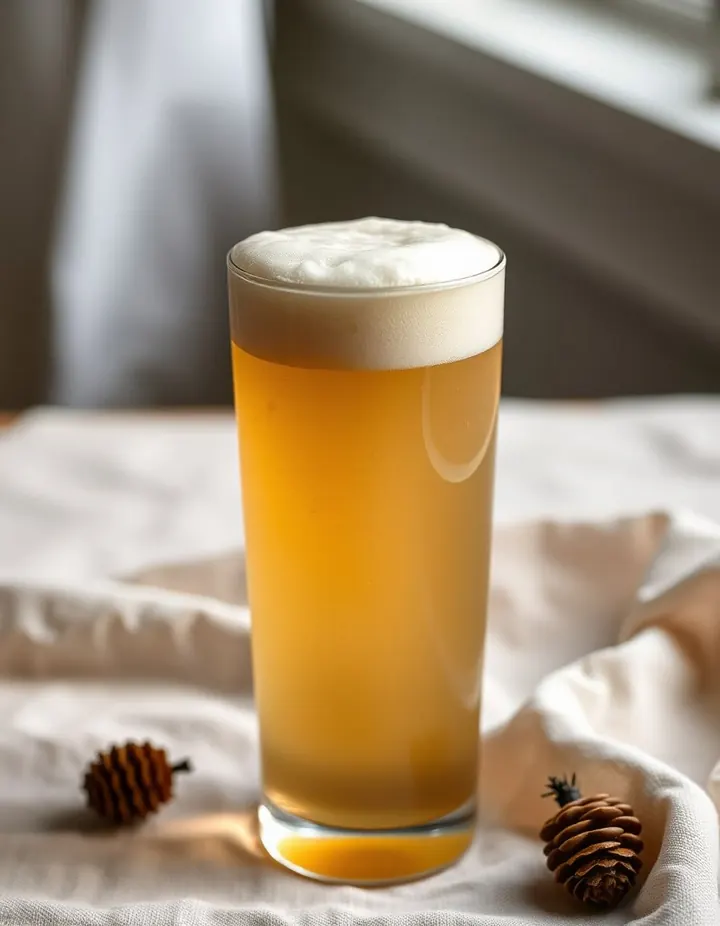 Illustration
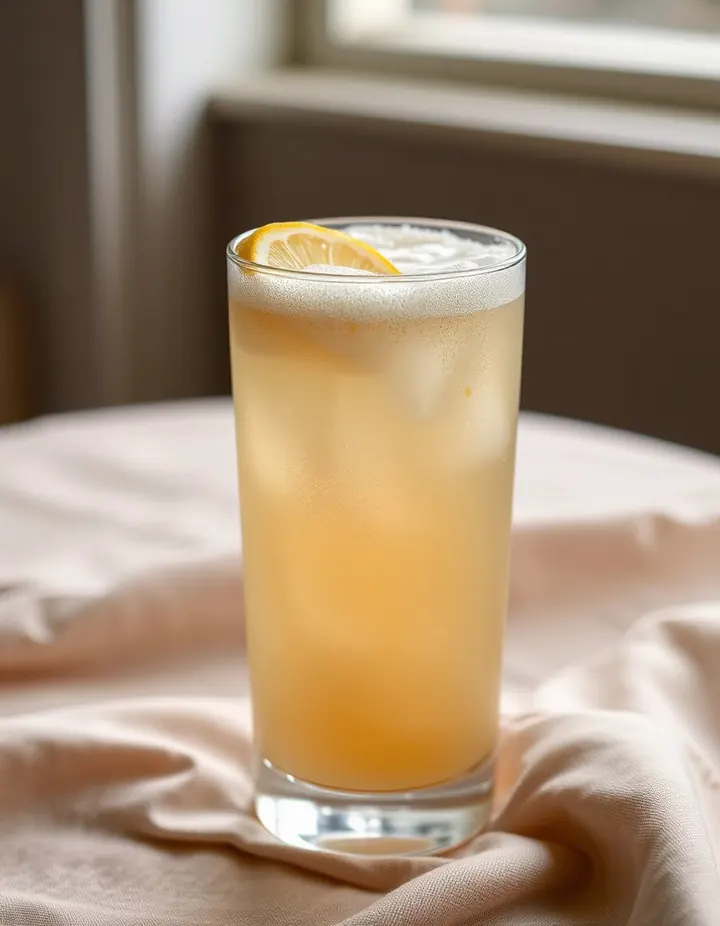 Illustration
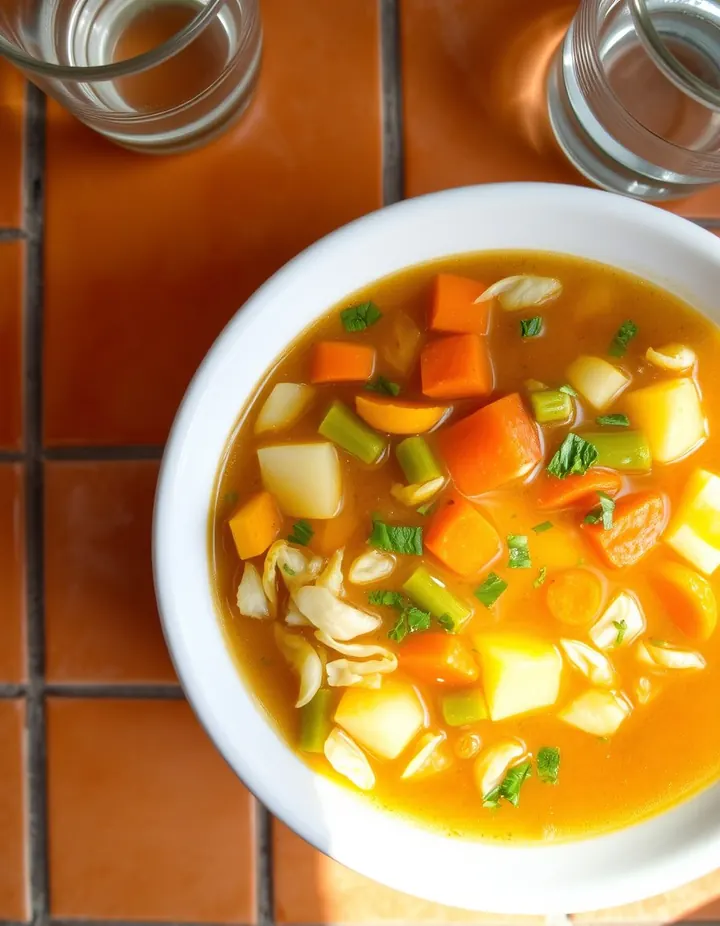 Illustration
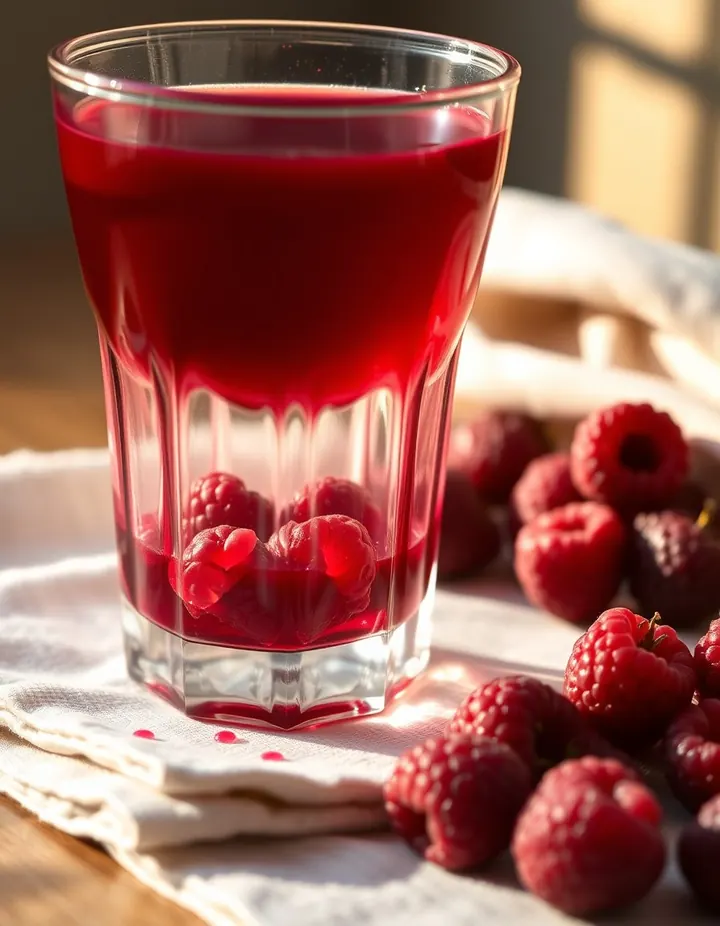 Illustration
The Sunday pairing: one pairing, the chemistry behind it, and how to cook it. No spam, unsubscribe anytime.
Prefer an account? Create a free account for sign-in; Pro adds the full results and chemistry.