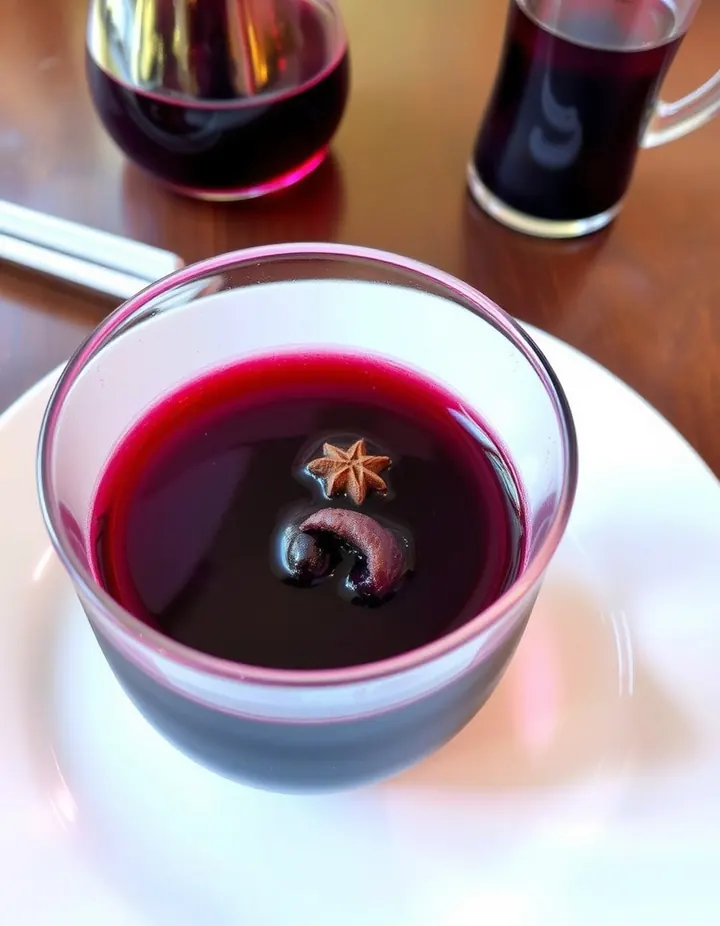
 Illustration
Why it works: Elderberry and brandy work together. They rank in the top 9% of all ingredient pairs, and 14 recipes mention both. Both carry beta-damascenone, which smells apple, rose. The science ↓
The recipe
Ingredients
Directions
Clean and sanitize all equipment: a large food-grade fermenting container with an airlock, a hydrometer, a siphon hose and bottles. Rinse off the sanitizer with clean water.
Boil the elderberry juice, water and brown sugar until the sugar dissolves. Cool to about 70-75°F (21-24°C) before adding the yeast.
Stir in the yeast and fit the airlock. Ferment at room temperature, away from sunlight, until bubbling slows.
Add the brandy, reseal with the airlock and keep the wine in a cool place for about three months while it clears and matures.
For the second batch, boil the water and white sugar until dissolved, then cool. Combine with the elderflower blossoms, lemon juice, yeast and raisins in a sanitized fermenter with an airlock.
Ferment the second batch at room temperature, away from sunlight, until bubbling slows. Check it with a hydrometer.
Bottle only when the hydrometer reading is the same on 3 days in a row, which shows fermentation is complete. Do not bottle on bubbles alone.
Siphon into bottles made for carbonated drinks, leaving a small headspace. Cap or cork and store upright in a cool place, away from light.
Refrigerate or drink the wine within a few months of bottling, and check bottles for bulging or leaking before opening.
Original text from the book (5 steps)
For reference only, not instructions. This text may include storage, bottling, preserving or cooking steps that don't meet current food-safety guidance. Use the method above.
Boil the elderberry juice, water, and brown sugar until dissolved.
Add yeast and allow to ferment.
After fermentation, add brandy and seal the container for three months.
For the second recipe, combine water, white sugar, elderflower blossoms, lemon juice, yeast, and raisins.
Ferment and then bottle the mixture.
From a scanned old cookbook. The method has been rewritten by AI to follow current food-safety guidance (safe cooking temperatures, refrigeration, no raw-egg shortcuts). It hasn't been kitchen-tested. The original text is under the method.
Found this recipe through an AI assistant? CompKitchen also shows which ingredients go well together and why, from the aroma molecules they share and how often recipes combine them. Try the pairing tools.
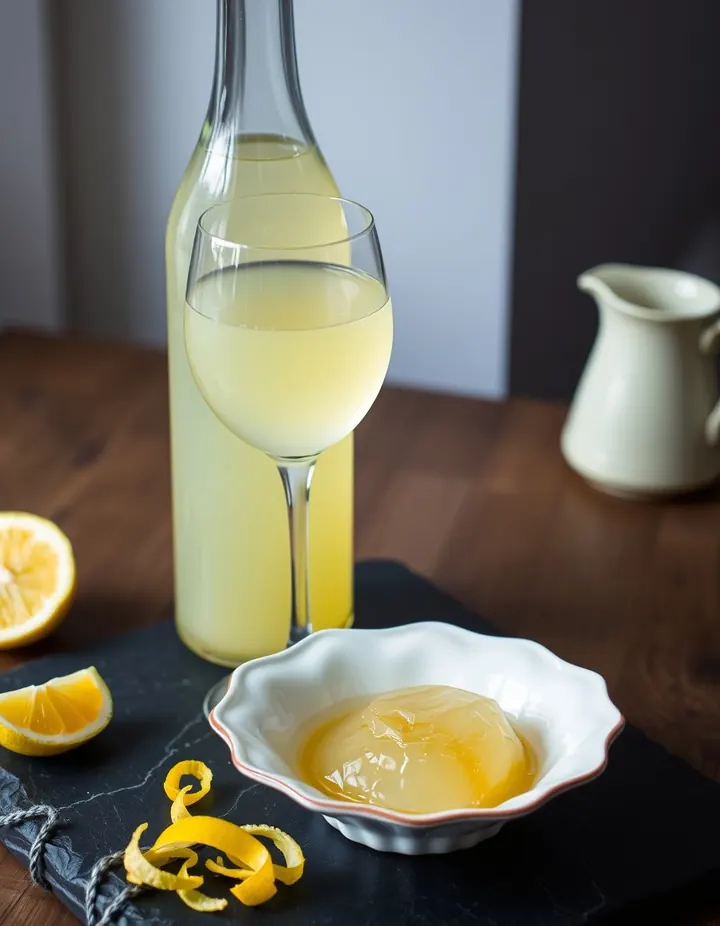
The picture is an illustration, not a photo of this recipe · Contact us to use it
Explore the science
The flavor team
The pairs that carry this dish. Each one is judged two ways: how much aroma chemistry they share, and how many recipes mention both.
-
Elderberry + brandytop 9% of all pairsAroma overlapmoderateMentioned together14 recipes
Shared aroma: beta-damascenone (apple, rose).
-
Elderberry + lemontop 5% of all pairsAroma overlapstrongMentioned together9 recipes
Shared aroma: myrcene (balsamic, herbaceous).
-
Brandy + raisintop 5% of all pairsAroma overlapmoderateMentioned together2,768 recipes
Shared aroma: beta-damascenone (apple, rose).
-
Elderberry + raisintop 7% of all pairsAroma overlapstrongMentioned together10 recipes
Shared aroma: beta-damascenone (apple, rose).
-
Sugar + raisintop 7% of all pairsAroma overlapmoderateMentioned together12,480 recipes
Shared aroma: beta-damascenone (apple, rose).
Ranks compare each pair with 20,000 random ingredient pairs on CompKitchen. How we score pairs
Flavor stand-ins for the lemon
How well each one fits the dish's main ingredients (elderberry, sugar, brandy, raisin):
- Vanillabetter flavor fit
- Figbetter flavor fit
- Appleabout as good a flavor fit
- Lemonthe original
Fit is the average pairing score against elderberry, sugar, brandy, raisin. Candidates are from the same food group and used in at least 100 recipes. This compares flavor only: it does not check the job the ingredient does in the dish (bulk, moisture, acidity, structure).
Make it your own
Stand-ins, a drink, and quick taste fixes for this dish, ranked by how well each fits its other ingredients: shared aroma molecules and how often recipes combine them.
You might also like
 Illustration
 Illustration
 Illustration
 Illustration
The Sunday pairing: one pairing, the chemistry behind it, and how to cook it. No spam, unsubscribe anytime.
Prefer an account? Create a free account for sign-in; Pro adds the full results and chemistry.