Why it works: Potato and dill match in chemistry and in kitchens. They rank in the top 2% of all ingredient pairs, and 423 recipes mention both. Both carry 2-isopropyl-3-methoxypyrazine, which smells earthy, pea. The science ↓
The recipe
Ingredients
Directions
Boil the potatoes
Scrub the small potatoes well in cold water.
Place them in an earthenware or graniteware pot and cover with cold water.
Add the tied dill or caraway seed to the pot.
Boil the potatoes quickly, keeping the pot covered and reducing heat as water evaporates.
Once done, pour off the water and return the pot to the stove uncovered until all moisture steams away.
Let the potatoes cool, then peel and cut them into squares.
Make the salad
Finely chop the onion and mix it with the potatoes.
Add finely chopped parsley, a sprinkle of celery seed, and salt to taste.
Finely chop a dill pickle for every five potatoes and mix again.
Heat the oil and vinegar separately, using 1 tablespoon of oil for every 3 potatoes and 1 teaspoon of vinegar for every 4 potatoes.
Pour the hot vinegar over the salad first, then add the oil.
Flavor with lemon juice or serve with sliced lemon and grated raw beets.
Transcribed from a scanned cookbook and modernised for today's kitchens. Where the book gave no heat or time, or said "a moderate oven", the temperatures and times here may be modern equivalents rather than the book's own figures.
Found this recipe through an AI assistant? CompKitchen also shows which ingredients go well together and why, from the aroma molecules they share and how often recipes combine them. Try the pairing tools.
Explore the science
The flavor team
The pairs that carry this dish. Each one is judged two ways: how much aroma chemistry they share, and how many recipes mention both.
-
Potato + dilltop 2% of all pairsAroma overlapstrongMentioned together423 recipes
Shared aroma: 2-isopropyl-3-methoxypyrazine (earthy, pea).
-
Dill + parsleytop 1% of all pairsAroma overlapstrongMentioned together668 recipes
Shared aroma: p-mentha-1,3,8-triene (camphor, herbal).
-
Parsley + lemontop 1% of all pairsAroma overlapstrongMentioned together14,036 recipes
Shared aroma: beta-phellandrene (minty, terpene).
-
Dill + lemontop 1% of all pairsAroma overlapstrongMentioned together976 recipes
Shared aroma: beta-phellandrene (minty, terpene).
-
Parsley + celerytop 2% of all pairsAroma overlapstrongMentioned together6,805 recipes
Shared aroma: 4'-methylacetophenone (bitter almond).
Ranks compare each pair with 20,000 random ingredient pairs on CompKitchen. How we score pairs
What each ingredient does
- Potatoes
- Form the bulk of the salad, holding their shape when boiled, peeled and cut.
- Oil
- Adds fat and richness, coating the potatoes and carrying flavor.
- Vinegar
- Adds acidity that sharpens the flavor and balances the oil.
- Onion
- Adds sharp, savory flavor and aroma to the salad.
- Dill pickle
- Adds tangy, salty crunch and acidity.
The step that matters
Dressing the warm potatoes with hot vinegar first, then oil. Potatoes absorb liquids most readily while still warm, so pouring the hot vinegar over them first lets them take up its acidity and flavor. Adding the oil afterward coats the pieces without the vinegar being blocked from soaking in.
Flavor stand-ins for the onion
How well each one fits the dish's main ingredients (potato, dill, parsley, celery, vinegar, lemon):
- Carrotbetter flavor fit
- Broccolibetter flavor fit
- Tomatobetter flavor fit
- Onionthe original
Fit is the average pairing score against potato, dill, parsley, celery, vinegar, lemon. Candidates are from the same food group and used in at least 100 recipes. This compares flavor only: it does not check the job the ingredient does in the dish (bulk, moisture, acidity, structure).
“What each ingredient does” and “The step that matters” were written by Claude, an AI, from this recipe’s own method. They are not checked recipe by recipe, so they can be wrong.
Make it your own
Stand-ins, a drink, and quick taste fixes for this dish, ranked by how well each fits its other ingredients: shared aroma molecules and how often recipes combine them.
You might also like
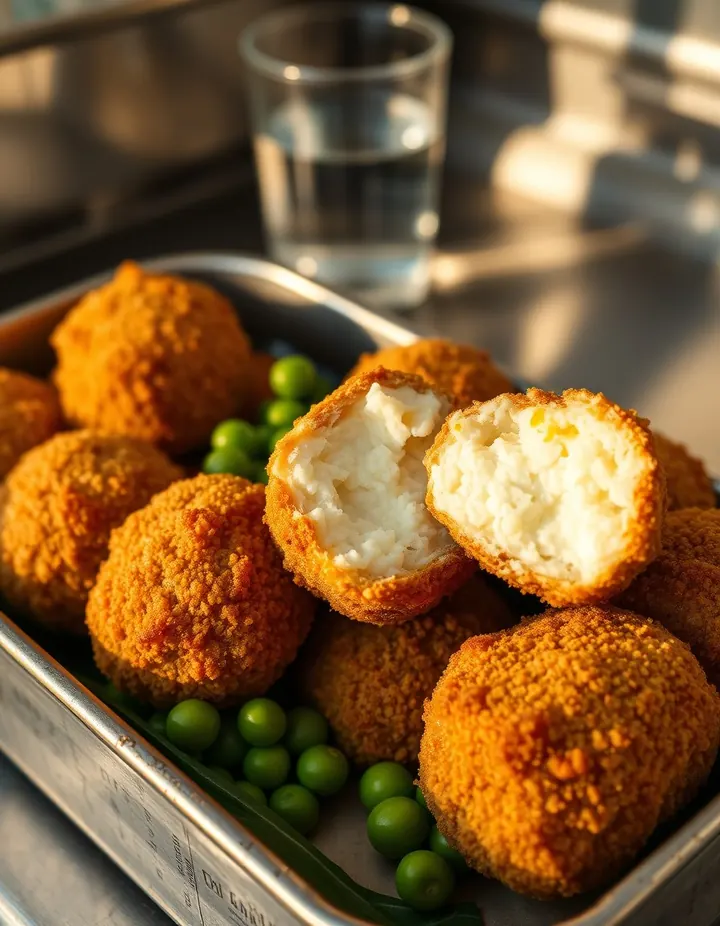 Illustration
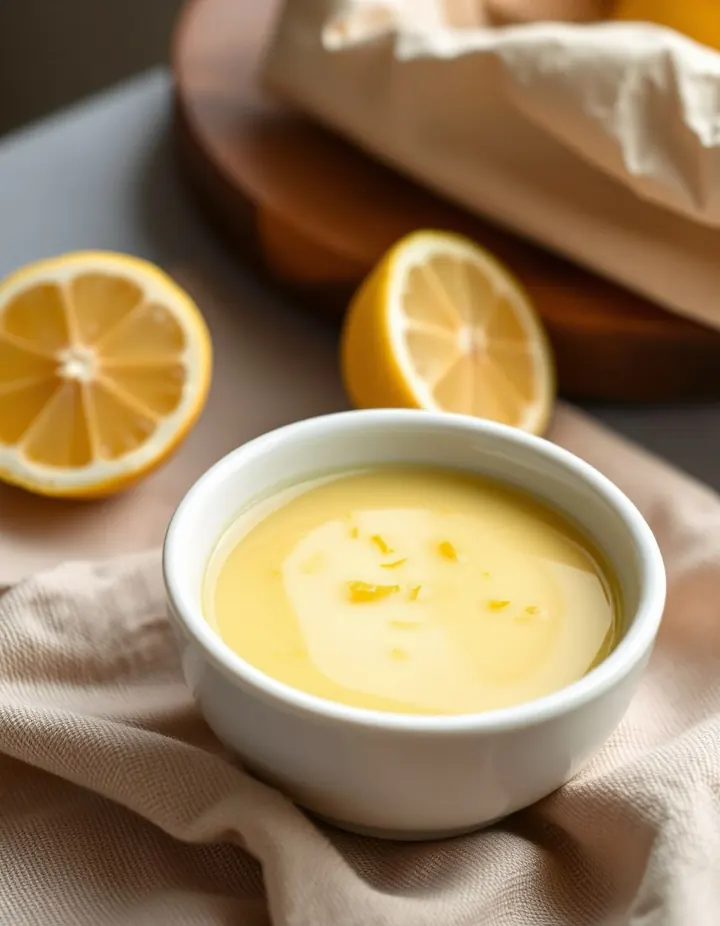 Illustration
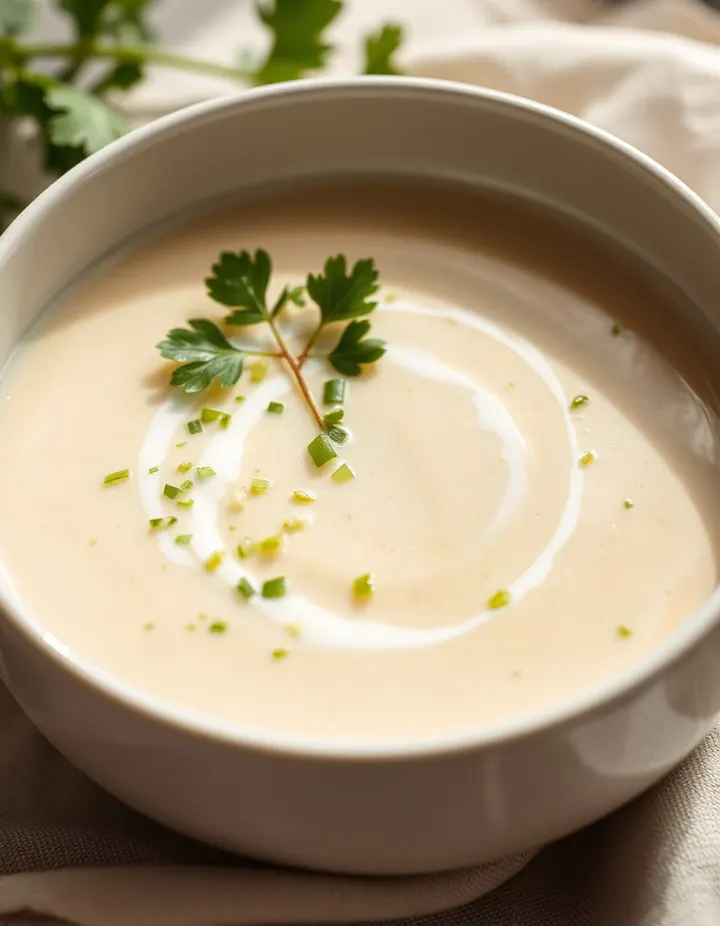 Illustration
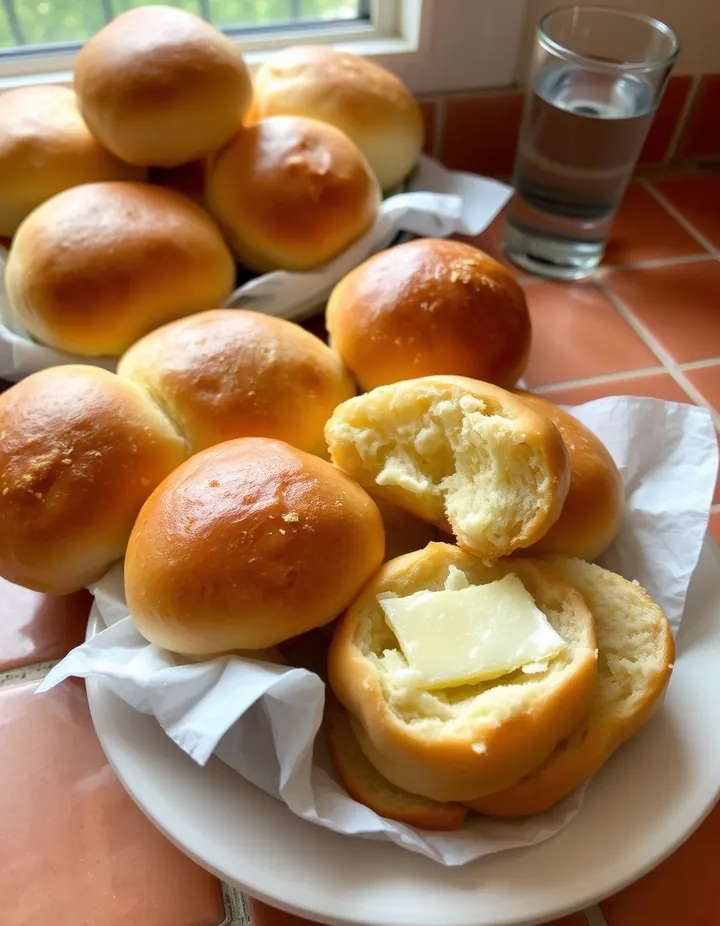 Illustration
The Sunday pairing: one pairing, the chemistry behind it, and how to cook it. No spam, unsubscribe anytime.
Prefer an account? Create a free account for sign-in; Pro adds the full results and chemistry.